I’ve always had dirt under my nails and a garden plot in my backyard—ever since my dad taught me to plant tomato seeds in egg cartons when I was six. There’s something about watching a seedling grow into a thriving plant that feels like magic, and I love sharing that journey with others. On this site, I aim to make gardening approachable, whether you're a beginner with a windowsill herb garden or a seasoned grower expanding your plot. My approach is simple: practical tips, real experiences, and a little humor along the way.
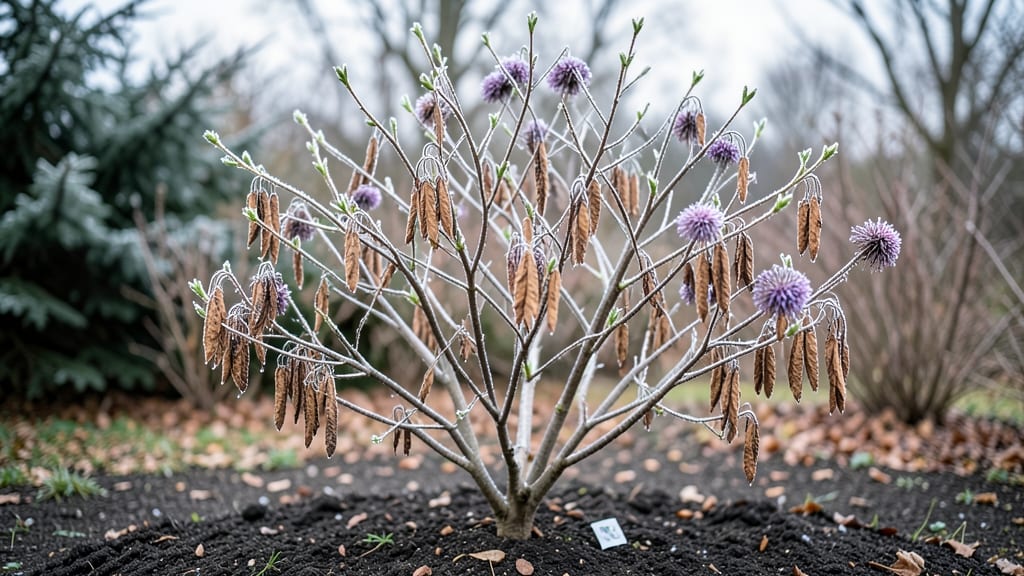
💥 Quick Answer Butterfly bushes do die back in winter, losing their leaves and turning dormant as cold weather sets in. Their woody stems remain standing but may darken or develop cracks, requiring proper pruning and…
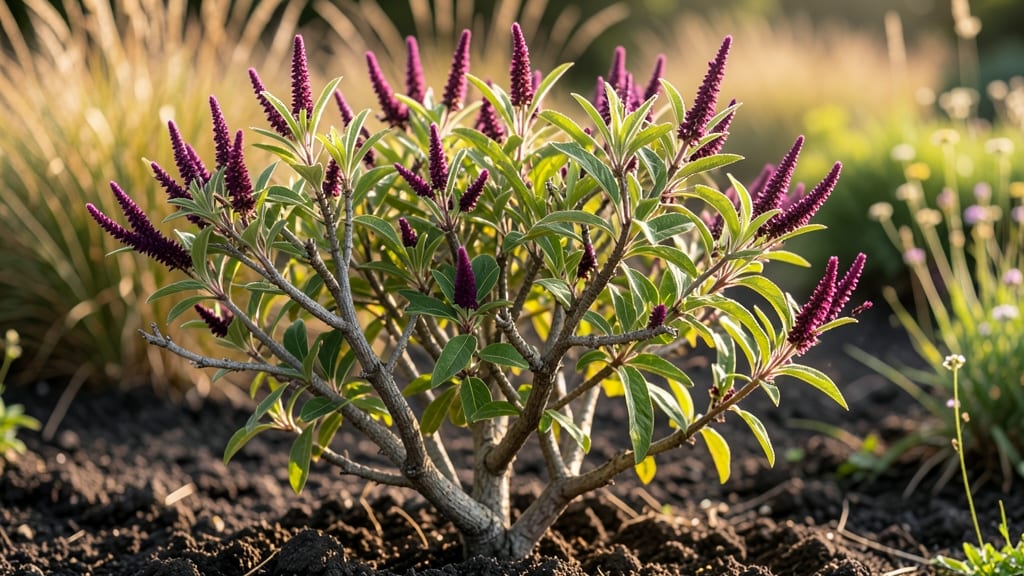
💥 Quick Answer Butterfly bushes do grow on old wood, but new growth produces the best flowers. Pruning in late winter or early spring encourages stronger blooms by removing old stems and redirecting energy to fresh…
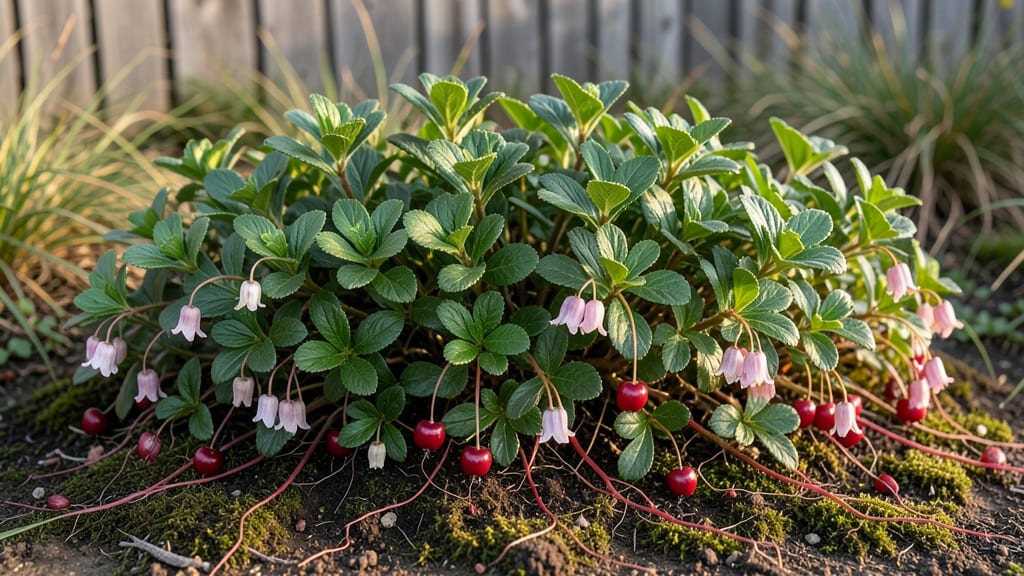
💥 Quick Answer Cranberries do grow on bushes—specifically low-lying evergreen shrubs called Vaccinium macrocarpon —that thrive in acidic, waterlogged bogs rather than typical garden soil. Their unique growth habit…
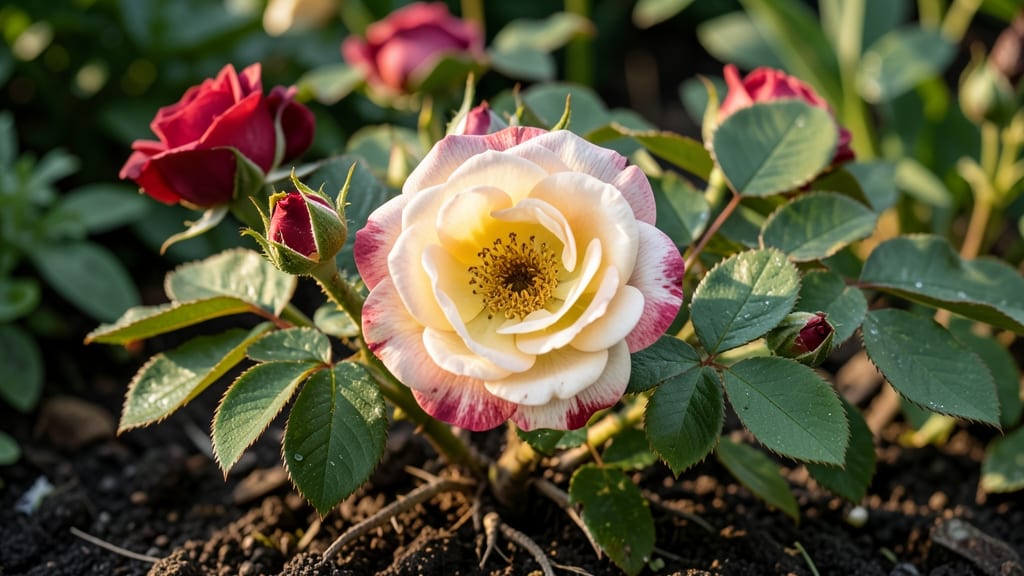
💥 Quick Answer Deer generally avoid rose bushes because of their thorns and strong fragrance, though some varieties like hybrid teas may be less effective as deterrents. Planting thorny roses or deer-resistant…
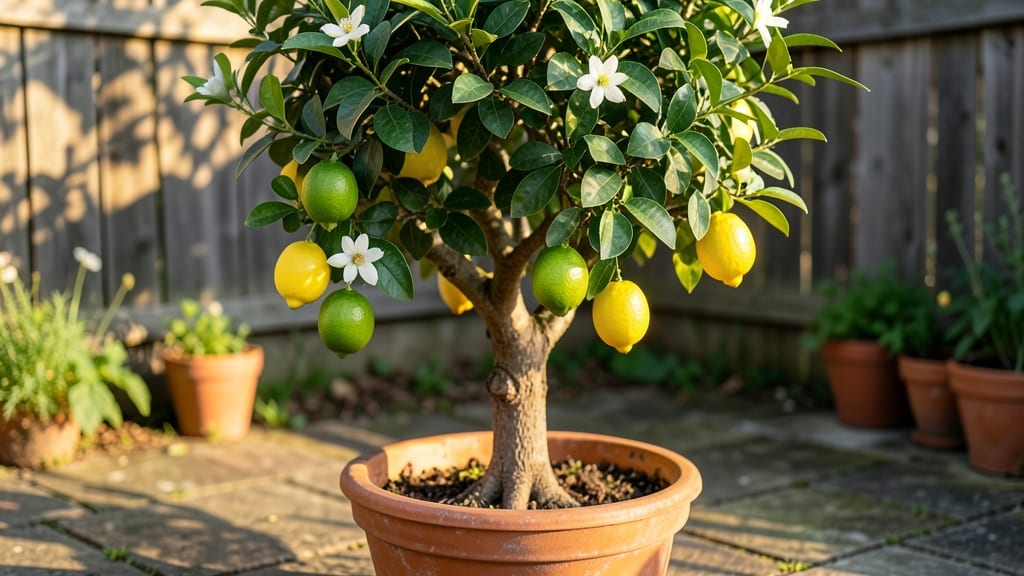
💥 Quick Answer Lemons grow on trees, not bushes, as evergreen citrus trees like Citrus limon that naturally reach 8–15 feet tall. While they can be pruned into compact shapes, their woody trunks and sprawling branches…
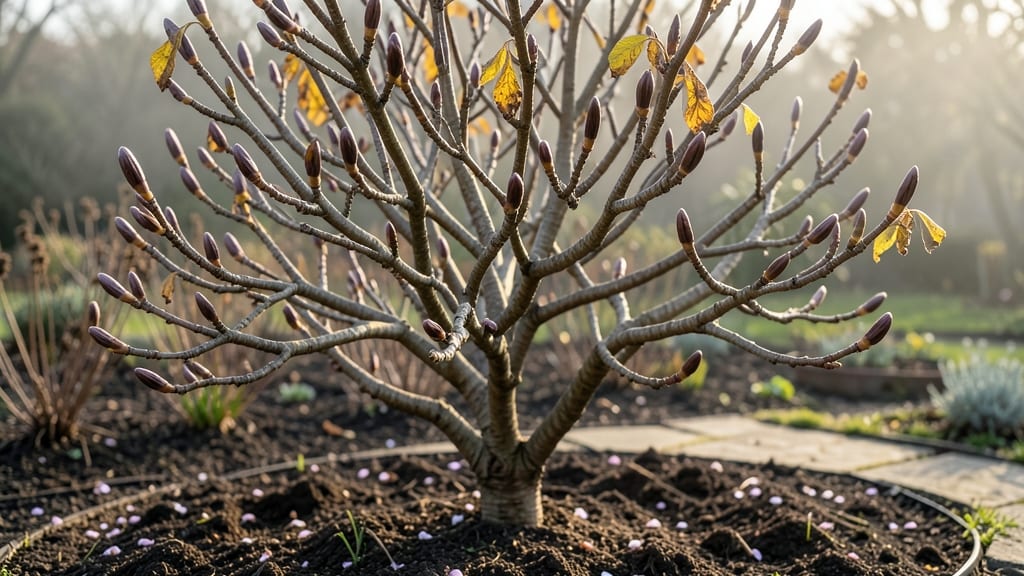
💥 Quick Answer Lilac bushes lose their leaves every year in autumn, entering a natural dormant phase that continues through winter before fresh foliage emerges in spring. This seasonal pattern isn't just normal—it's…
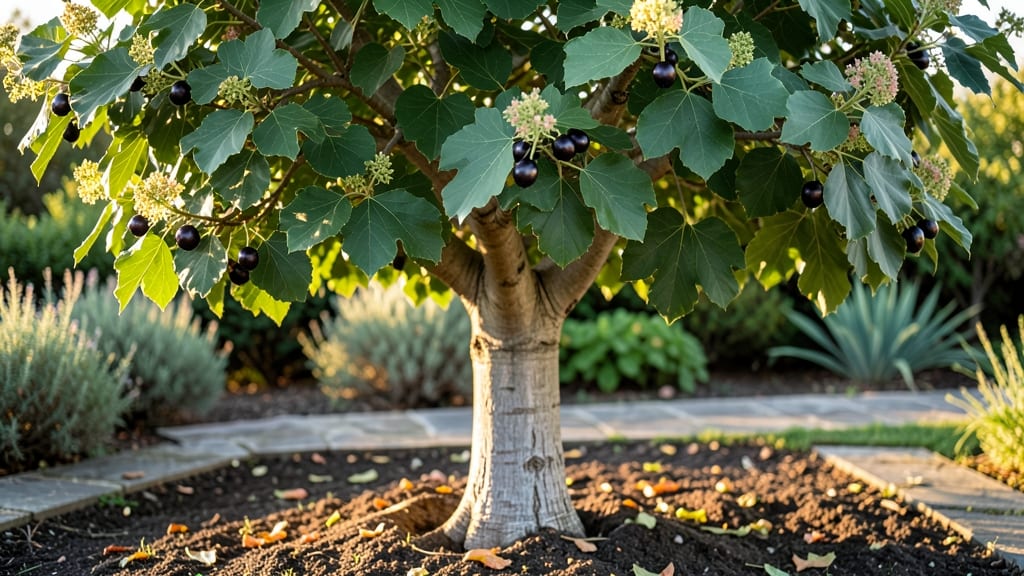
💥 Quick Answer Mulberries grow on mulberry trees , which are fast-growing deciduous plants that typically reach 20–30 feet tall, though certain dwarf varieties grow in compact, bush-like forms. Their sturdy trunks and…
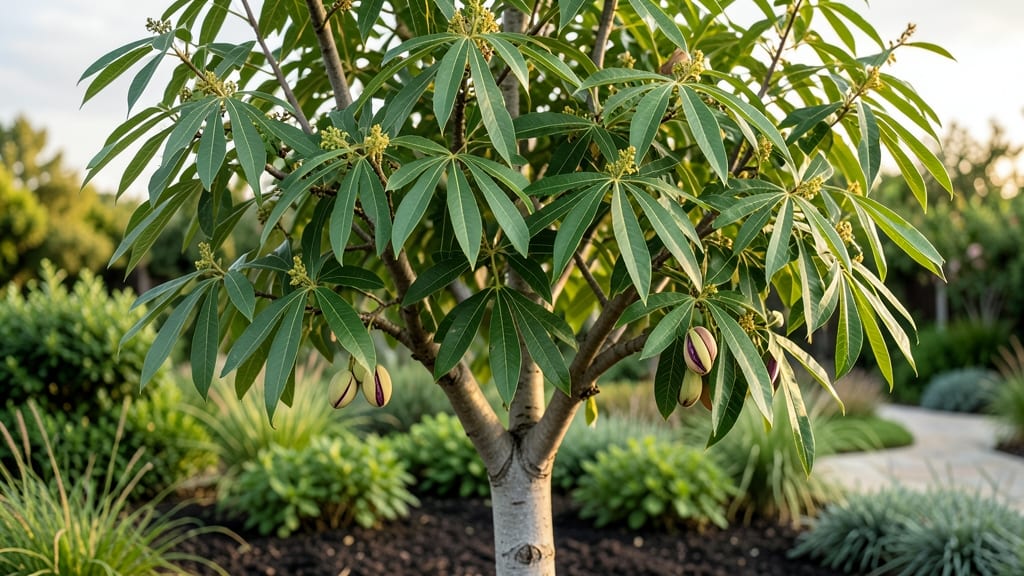
💥 Quick Answer Pistachios grow on pistachio trees , not bushes, reaching heights of 10–20 feet with a sprawling, drought-resistant canopy. These deciduous trees thrive in warm climates and require cross-pollination for…
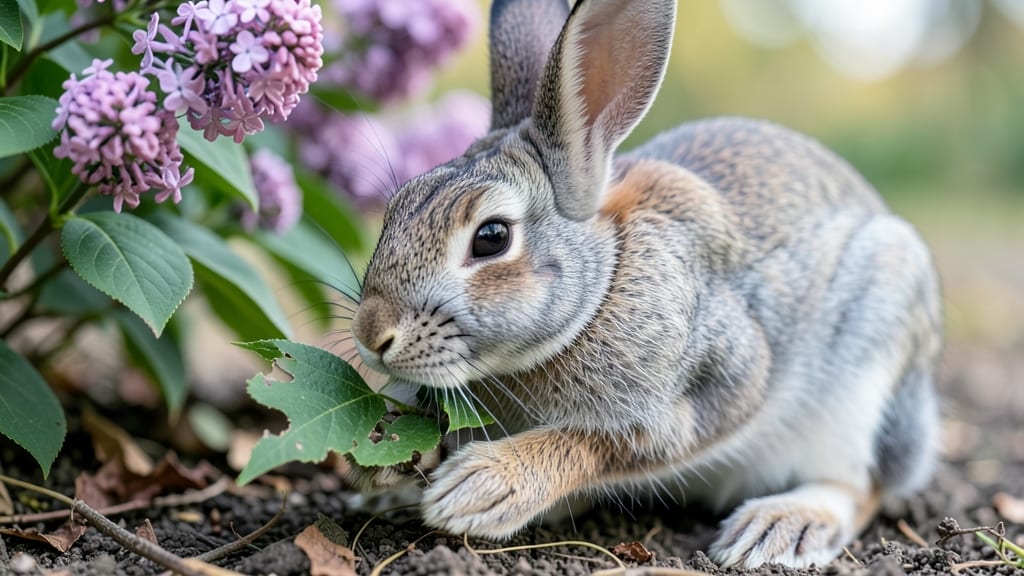
💥 Quick Answer Rabbits eat lilac bushes, especially young shoots and leaves, which can damage plant growth or kill vulnerable shrubs. Their feeding patterns vary based on food availability and seasonal changes. Lilac…
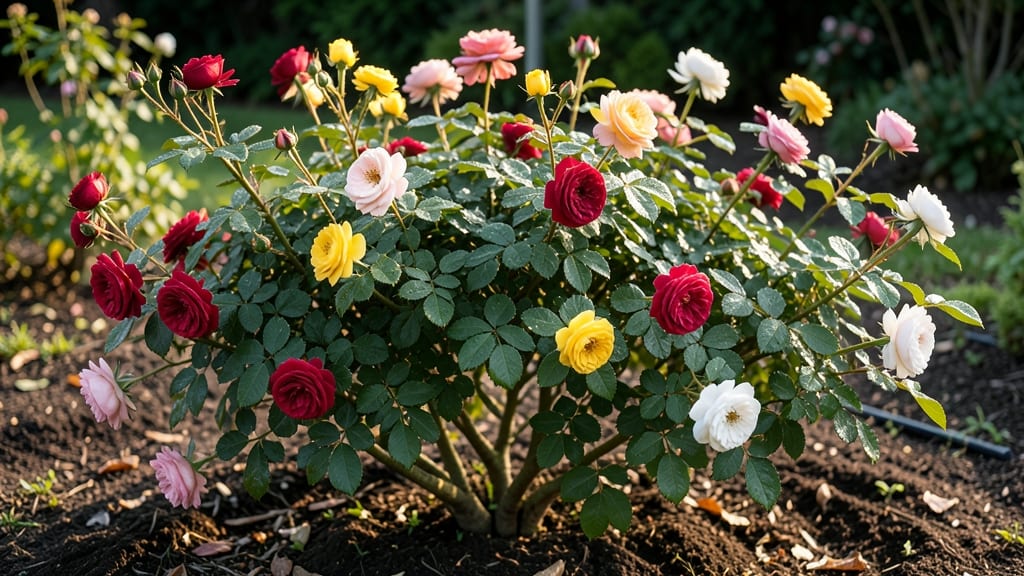
Do rose bushes like full sun? They thrive in it, needing at least 6 hours of direct light daily for the vibrant blooms and healthy growth that make them worth growing. If your rose bushes aren’t blooming as vibrantly as…