
Pruning
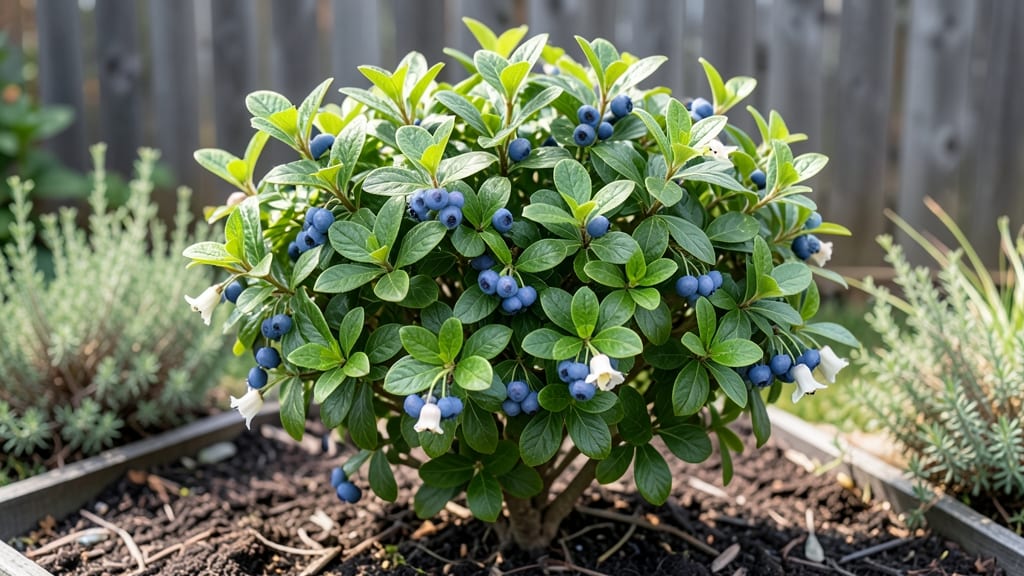
My Jewel blueberry bush produces fruit so vibrant it looks like sapphires dusted with morning dew. ✨ The secret to keeping it productive? Pruning in early spring—when the buds swell but before they burst—transforms last year’s tangled branches into a structured, high-yielding shrub.
I’ve watched this compact bush go from scraggly to showstopper in just a few hours of work, and the harvest more than pays back the effort.
You’ll need sharp pruners, a bucket for clippings, and a clear day to assess the plant. Focus on removing dead wood first—it’s the easiest way to refresh the bush’s energy. Then cut out crossing branches and any that grow inward, opening the center to sunlight and air.
The goal is to shape it like an open vase, with the strongest canes angled outward. For Jewel bushes, aim to keep 6–8 of the most vigorous stems; they’ll shoulder the fruit load.
After pruning, you’ll see new red shoots emerge within weeks, signaling the bush is ready for its next season. These shoots are where the magic happens—they’ll bear next year’s fruit.
The bush stays compact (just 3–4 feet tall), so it fits perfectly in small gardens or containers, yet produces pounds of berries. The real reward? Watching bees swarm the blossoms in spring, knowing every visit means more fruit to come.
This method works for Jewel bushes in zones 4–8, whether planted in the ground or containers. Just avoid pruning after mid-summer—you’ll cut off next year’s crop. Start now, and by harvest time, you’ll be the one neighbors envy for those jewel-toned berries.
📚 In This Guide
- What you need
- Instructions
- Tips and common mistakes
- Wrapping up and next steps
What you need
- ● Pruning shears: Bypass pruners (sharp, clean, and sterilized with rubbing alcohol) – 1 pair (for small branches).
- ● Loppers: Heavy-duty, 8-12 inch – 1 pair (for thicker branches).
- ● Hand pruners: Small, sharp – 1 pair (for precision cuts on tiny branches).
- ● Gloves: Garden gloves (cut-resistant, preferably waterproof) – 1 pair.
- ● Disinfectant: Rubbing alcohol (70% isopropyl) or bleach solution (1 part bleach to 9 parts water) – small bottle or spray.
- ○ Pruning sealant (optional but helpful): Tree wound sealant – small tube (for larger cuts).
- ● Trash bags or bucket: Heavy-duty – 1-2 (for collecting pruned branches).
- ● Ladder (if needed): Sturdy, extendable – 1 (for tall bushes).
- ● Hose or bucket of water: – for cleaning tools.
- ● Pruning saw: Curved or folding – 1 (for stubborn, thick branches).
- ● Work apron: With pockets for storing tools.
- ● Sunscreen & hat: For long gardening sessions.
- ● Notebook & pen: To jot down pruning notes or plant observations.
- ● Compost bin: For repurposing pruned material.
Step-by-step instructions for pruning your Jewel blueberry bush
Here's how I transform my Jewel blueberries from tangled mess to productive powerhouse every spring.
✂️ Step 1: Remove Last Year's Fruit and Dead Wood First
Start by stripping away any remaining fruit from last season—those dried berries can harbor pests and diseases. I wear gloves for this because blueberry stems have tiny thorns that grab like Velcro. Look for branches that are completely brown, brittle, or have no leaves at all. These are dead and need to come out completely at the base.
Use sharp pruning shears to cut these dead branches cleanly. The cut should be smooth, not jagged, to prevent disease entry points. I always sterilize my shears with rubbing alcohol between cuts to keep everything sanitary. This first pass opens up the center of the bush so light and air can reach all the way to the middle branches.
✂️ Step 2: Thin Out Overcrowded Branches
The key to a productive Jewel blueberry is good airflow, so I remove any branches that are growing inward or crossing over others. These crowded branches compete for sunlight and nutrients, and they create humid microclimates where fungal diseases love to take hold. I aim to keep the bush open and vase-shaped, with branches spreading outward.
Look for branches that are thinner than a pencil—these are typically older, less productive wood that can be removed to encourage new, vigorous growth. Make your cuts just outside the branch collar where the branch meets the main stem. This ensures the wound heals properly and prevents water from pooling in the cut.
☀️ Step 3: Prune for Shape and Sunlight Access
Now it's time to shape the bush. Jewel blueberries produce fruit on both old wood (last year's growth) and new wood (this year's growth), so I never cut back more than one-third of the plant in any single year. Step back and visualize how sunlight will move through the bush after your cuts.
Focus on lifting the center of the bush by removing branches that are growing straight up or downward. These vertical branches block light from reaching the lower parts of the plant. Aim to create a natural, open shape that allows sunlight to penetrate to the inner branches. This encourages fruit production throughout the entire bush, not just on the outer edges.
🌱 Step 4: Prune for Next Year's Fruit Production
The final step is to encourage next year's fruit production by cutting back the current year's growth. For Jewel blueberries, I look for the strongest canes that are about pencil thickness. These are the ones that will produce the most fruit next season. Cut these back to about 24-36 inches from the ground, leaving 4-6 buds at the top.
This pruning strategy ensures you'll have a good balance of old wood (which produces fruit this year) and new wood (which will produce fruit next year). After pruning, I always give the bush a good drink of water to help it recover from the stress of the cuts. The fresh cuts will seal over within a few weeks, and new growth will begin to sprout from the remaining buds.
⏰ Step 5: Clean Up and Monitor Growth
Once you've finished pruning, gather all the clippings and remove them from the area. Leaving them on the ground can harbor pests and diseases that might reinfect your bush. I usually compost the healthy-looking wood, but I burn or dispose of any branches that show signs of disease.
After pruning, keep an eye on the bush over the next few weeks. You should see new growth emerging from the buds you left behind. If you notice any branches that are growing in the wrong direction or looking weak, you can do a little light pruning throughout the growing season to keep the bush shaped properly. This ongoing maintenance ensures your Jewel blueberry bush stays healthy and productive year after year.
Tips & tricks for perfect Jewel blueberry bush pruning
Here's what I've learned after years of turning tangled blueberry bushes into fruit-bearing powerhouses.
Timing is Everything: Prune your Jewel blueberry bush during late winter or early spring, just as buds begin to swell but before new growth starts. This timing gives the bush enough time to recover and produce fruit before summer. I always aim for February to March in my zone, but adjust based on your local frost dates—you want to avoid pruning when frost is still a threat. The bush will heal faster and produce better fruit when you time it right.
Tool Prep Makes All the Difference: Your pruning shears should be sharp enough to make clean cuts, not tear the bark. I test mine on a small branch first—if it doesn't cut smoothly, it's time to sharpen. Sterilizing your tools between cuts with rubbing alcohol prevents spreading disease from one part of the bush to another. Don't forget to wear gloves; those thorns are sneaky and can draw blood before you know it. A small first-aid kit nearby is a good idea too!
Visualize the Light Path: Step back frequently during pruning and imagine sunlight moving through the bush. The goal is to create an open, vase-like shape where light can reach all branches, even those in the center. I often sketch a quick diagram on paper first to visualize where branches need to go. This prevents over-pruning one side while neglecting the other, which can create uneven fruit production. Think of it like creating a canopy where every branch gets equal access to sunlight.
Post-Pruning Care: After you've finished shaping, give your bush a deep watering to help it recover from the stress of pruning. I water at the base, not overhead, to prevent fungal issues. Then, keep an eye on new growth—if you notice any branches growing in the wrong direction, you can do light pruning throughout the growing season to maintain that open shape. This ongoing attention pays off with bigger, healthier berries next season.
Pro Tips for Jewel Blueberry Bush
- Here's what I've learned after years of turning tangled blueberry bushes into fruit-bearing powerhouses.
- Timing is Everything: Prune your Jewel blueberry bush during late winter or early spring, just as buds begin to swell...
- Tool Prep Makes All the Difference: Your pruning shears should be sharp enough to make clean cuts, not tear the bark....
Frequently asked questions
Got questions about pruning your Jewel blueberry bush?
You’re in the right place! Here are answers to the most common concerns—from timing to troubleshooting—so you can keep your bush thriving and productive.
When is the best time to prune my Jewel blueberry bush?
The ideal time is late winter or early spring before new growth begins (around February–March in most climates). This gives the bush time to heal before summer heat stress. Avoid pruning in fall, as late cuts can stimulate tender new growth that may not survive winter. Pro tip: If you missed the window, prune in early spring as soon as possible!
Can I prune my Jewel blueberry bush in winter if it’s dormant?
Yes, but with caution! Prune only if temperatures are above freezing (32°F/0°C) to prevent shock. Winter pruning is riskier because cold snaps can stress the plant. If you must prune in winter, do it on a mild day and avoid heavy cuts. Better yet: Wait for spring when the bush is actively waking up!
How much should I prune off my Jewel blueberry bush?
Aim to remove 10–20% of the oldest canes each year to maintain vigor. Look for canes that are gray, woody, and unproductive—these are past their prime. Keep 5–7 of the healthiest, youngest canes (they’re greenish and produce berries). Warning: Never prune more than 30% in one year, or you’ll risk reducing next year’s harvest!
My Jewel blueberry bush has brown, mushy canes—what’s wrong?
This could be cane blight (a fungal disease) or root rot from overwatering. Remove affected canes immediately and disinfect pruners with rubbing alcohol. Improve drainage, space plants for airflow, and avoid wetting foliage during watering. For severe cases, apply a copper fungicide as a preventive measure.
Do I need to prune my Jewel blueberry bush every year?
Yes! Regular pruning keeps your bush productive, healthy, and easy to harvest. Young bushes (under 3 years) need minimal pruning, but mature bushes (4+ years) benefit from annual maintenance. Focus on removing dead, diseased, or crossing canes to boost airflow and sunlight penetration. Bonus: Well-pruned bushes yield larger, sweeter berries!
What if I skip pruning for a few years?
Don’t panic! Your bush won’t die, but it may become overcrowded, less productive, and harder to harvest. If you’ve neglected pruning, start with a light cleanup: Remove only the most obvious dead/diseased canes, then gradually thin out older wood over 2–3 years. Patience is key!
Wrapping up and next steps
Ready to transform your jewel blueberry bush into a thriving, fruit-filled powerhouse? 🌿 Pruning in spring isn’t just about trimming—it’s your secret to healthier plants, bigger harvests, and years of delicious berries. With the right tools, timing, and techniques, you’re well on your way to mastering this essential task.
Take that first step: grab your pruners and schedule your next pruning session—your future blueberry feasts will thank you! Whether you’re a seasoned gardener or a curious beginner, every snip brings you closer to a bountiful, jewel-toned harvest. Happy pruning! 🍇✨