
Pests
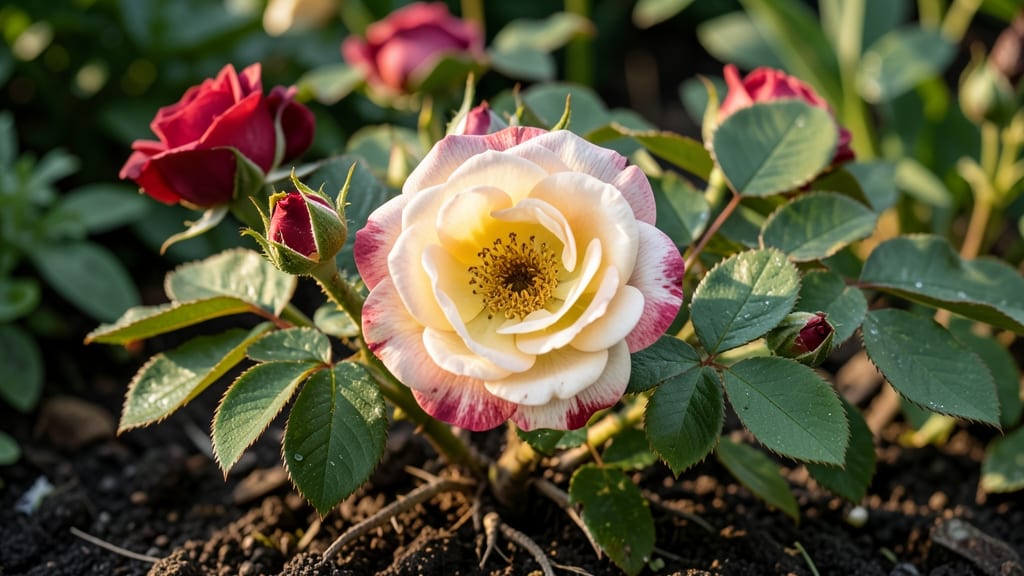
Deer generally avoid rose bushes because of their thorns and strong fragrance, though some varieties like hybrid teas may be less effective as deterrents. Planting thorny roses or deer-resistant alternatives can help protect your garden.
Rose bushes act as natural deer deterrents primarily because their thorns create physical barriers while their potent scents—especially in species like rugosa roses—signal danger to browsing animals. 🌹 However, deer may still nibble on tender new growth or less prickly varieties, particularly in winter when food is scarce.
The key is choosing roses with dense thorns or strong aromas, as these traits directly influence deer behavior.
For gardeners in high-risk areas, pairing roses with deer-repellent plants like lavender or barberry can create an extra layer of protection. I’ve found that even a small hedge of thorny roses around vulnerable plants creates a psychological barrier for deer, making them think twice before venturing in.
💡 In This Article
- Why Deer Avoid (or Target) Rose Bushes
- Best Deer-Resistant Rose Varieties for Gardens
Why deer avoid (or target) rose bushes
Deer primarily steer clear of rose bushes because their thorns act as a physical deterrent, forcing deer to expend extra energy to navigate around them. Studies show that deer prefer plants with smooth edges and minimal obstructions, as thorns can cause painful injuries to their mouths and hooves.
For example, a single rugosa rose bush can have up to 100-150 thorns per stem, creating an almost impenetrable barrier for browsing animals. 🌿 The sharp, curved thorns make it difficult for deer to reach the foliage without getting pricked, which is why they instinctively avoid these plants.
The strong fragrance of many rose varieties also plays a crucial role in deterring deer. Roses emit volatile organic compounds (VOCs) that deer find overwhelming, particularly in species like Damask roses or centifolia roses, which have intense floral scents.
These aromas serve as chemical signals that alert deer to potential toxicity or poor palatability, even though roses themselves aren't poisonous. In fact, deer have an incredibly sensitive sense of smell—up to 7 times better than humans—which means even subtle scents can influence their foraging behavior.
However, not all roses are equally effective at repelling deer. Hybrid tea roses, for instance, often have fewer thorns and milder fragrances, making them more appealing to browsing animals.
These varieties were bred primarily for their large, showy blooms rather than their natural defenses, which explains why they sometimes become targets. 🌹 Another factor is the season: deer are more likely to nibble on roses during late winter or early spring when food is scarce, as their natural diet of grasses and leaves becomes limited.
This is why gardeners often notice damage to roses in these months, even if the plants are otherwise deer-resistant.
There's also a common misconception that roses are toxic to deer, which isn't entirely accurate. While some rose species contain mild toxins like rosarin or citric acid, these compounds aren't typically lethal. Instead, they may cause mild gastrointestinal upset, which deer quickly learn to avoid.
This is why repeated exposure to roses can sometimes lead deer to ignore their natural aversion, particularly if other food sources are even scarcer. Understanding this balance helps explain why some gardeners see sporadic damage to their rose bushes despite their defensive features.
To maximize protection, consider the placement of your rose bushes. Deer are more likely to target isolated plants than those grouped in clusters or surrounded by other thorny shrubs. Creating a multi-layered barrier with roses, barberry, or holly can significantly reduce browsing pressure.
The key is to combine physical defenses (thorns) with chemical deterrents (strong scents) to make your garden less appealing to deer. 🌿 This approach leverages the natural behaviors of deer, making your garden a less attractive option for foraging.