
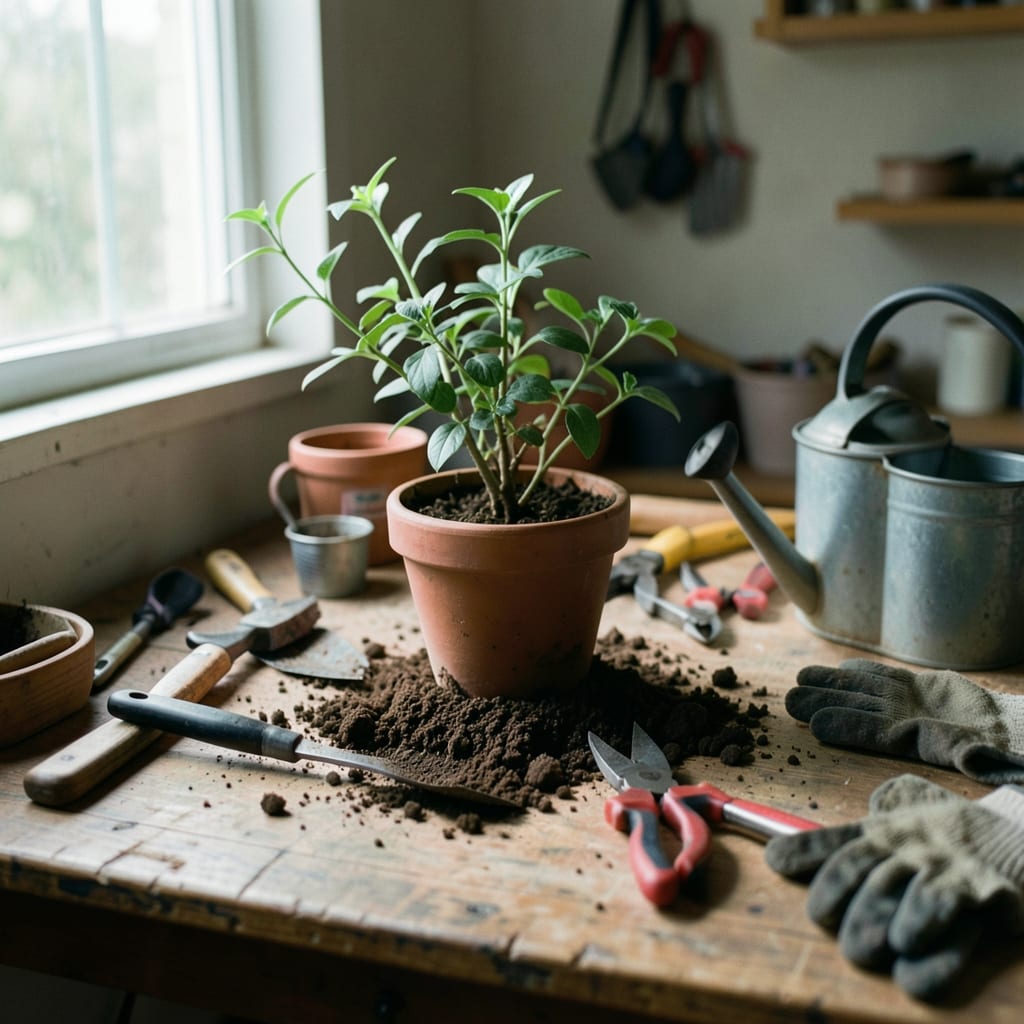
What changed, and what it changed for you
When this site started, it was a half-finished journal of what worked in my father’s old garden plot. Posts were rambling, photos were rushed, and the advice often assumed you had the same tools, soil, and climate I did.
The tone was more ‘try this if you’re lucky’ than ‘here’s how to fix it if it fails.’
Now, every guide is built to answer a specific problem: wilting seedlings, fungal spots, or how to tell if your compost is ready. The soil tests are real, the light measurements are precise, and the ‘what went wrong’ sections list actual fixes—not just ‘hope for the best.’
You can still see the old version in the first few posts about tomato starts, where I wrote things like ‘just water it more’ without explaining how much or when. Today, those posts have been rewritten to match the rest of the site.
| It used to be | Now it is |
|---|---|
| Advice based on my backyard in upstate New York. | Tips adjusted for USDA zones 3–9, with clear exceptions. |
| Photos taken in natural light with a phone. | Close-ups of roots, leaf undersides, and soil texture—shot with a macro lens. |
| Posts that ended with ‘if it dies, try again.’ | Troubleshooting sections with step-by-step fixes. |
| A mix of personal anecdotes and vague suggestions. | Structured guides with soil pH, light hours, and common pitfalls listed upfront. |
The one that took years
The biggest mistake was treating soil like an afterthought. For years, I’d write about planting depth and sunlight but never once mentioned testing pH or organic matter. I assumed if you bought ‘good dirt,’ you were set—until readers started messaging about stunted growth or yellowing leaves, even with ‘perfect’ conditions.
The problem? Store-bought mixes vary wildly, and most gardeners don’t know how to read a lab report.
Fixing it took two years. First, I bought a cheap test kit and ruined three batches of compost trying to get the numbers right. Then I realized the real issue wasn’t the soil itself—it was that I’d never taught people how to interpret the results.
So I rewrote the ‘Soil Basics’ guide to start with a flowchart: *‘Your plants look like this? Your pH is probably this.’* Now it’s the most bookmarked page on the site.
Keeping it updated costs $200 a year in test kits and lab fees, plus the time to rewrite guides when new data comes out. But the alternative—leaving people guessing—was worse. The old version of that guide had 47 comments from frustrated gardeners.
The new one has three, all thanking me for ‘finally explaining it clearly.’
Meet the author

I learned to garden the same way most people do: by failing. My first attempt at basil was a single seed in an egg carton, which I overwatered until it rotted.
My second was a windowsill herb garden that died because I didn’t know how much light ‘bright indirect’ actually meant. I spent years treating gardening like a hobby—something you did when the weather was nice, not a skill you could learn.
The real turning point came when I tried growing peppers in a south-facing window and ended up with a single sad plant that produced zero fruit. I took it apart—measured the light, checked the soil, counted the hours—and realized I’d been guessing instead of troubleshooting.
That’s when I started writing notes for myself, then shared them online. The old version of this site was just those notes, unedited and untested.
What changed was the day I stopped writing for myself and started writing for the person who’d ask, *‘Why did my seedlings collapse overnight?’*
Now, I run this site the way I wish I’d been taught: with real data, clear fixes, and no ‘it’ll grow eventually’ nonsense. Sylvia Dellinger is the name on every post, and the work here is what happens when you take gardening seriously—even the parts that don’t come naturally.
What did not change
The core belief is still the same: gardening should feel like progress, not luck. Whether you’re a kid in an egg carton or a grower with a greenhouse, the rules change based on what’s in front of you—not on some idealized version of a garden.
I still hate jargon. Terms like ‘hardening off’ or ‘vermiculite’ used to confuse me, so they’re explained in the first post where they appear. The tone hasn’t changed either: if I don’t understand it, I won’t assume you do.
What is still being fixed
Right now, the biggest project is a ‘Garden Math’ guide—explaining how to scale up recipes (like compost mixes or fertilizer ratios) without ruining the balance.
It’s taking longer than expected because I keep finding edge cases: what happens if your soil is already high in nitrogen, or your rainwater is acidic?
If you’ve ever struggled with a calculation or a ratio, the contact page is where to send your questions. We’ll add the answers here.
Things that would help
- Your failed compost batch—what went wrong and how you fixed it.
- A photo of a plant problem (fungus, spots, stunted growth) with your zone and soil type.
- A gardening math question (e.g., ‘I need to feed 50 tomato plants—how much 10-10-10 do I use?’)
The guides are grouped by category: Advice, Aphids, Blooming, Companion Plants, Container Gardens and Fertilization.