
Advice
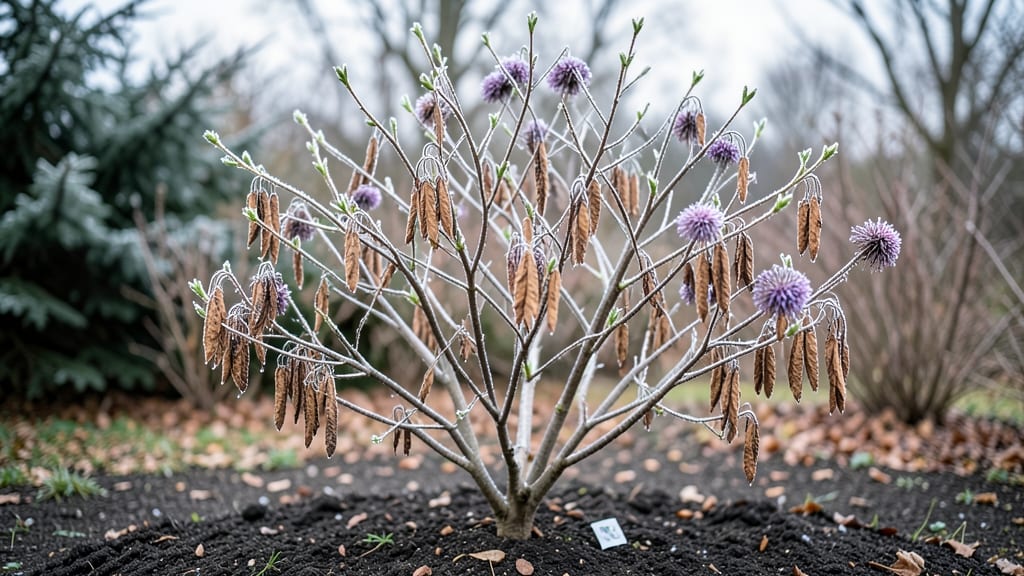
Butterfly bushes do die back in winter, losing their leaves and turning dormant as cold weather sets in. Their woody stems remain standing but may darken or develop cracks, requiring proper pruning and protection to ensure healthy regrowth in spring.
These hardy shrubs follow a natural cycle of seasonal dormancy, where freezing temperatures trigger leaf drop and metabolic slowdown. 🌿 Unlike evergreens that stay green year-round, butterfly bushes conserve energy by shedding foliage—this is completely normal and not a sign of poor health.
The stems often stand bare through winter, though they may develop frost cracks if exposed to extreme temperature swings. This is why gardeners in colder zones focus on protecting the wood while waiting for spring's warmer days to kickstart new growth.
Proper winter prep makes all the difference for these popular pollinator plants. I always recommend pruning back dead foliage in late fall to prevent disease buildup, then wrapping stems with burlap or using mulch to insulate the roots.
For zones with harsh winters, consider cold-hardy varieties like Buddleia davidii 'Lo & Behold'—they handle freezing temps better than standard types. The key is balancing protection with airflow to prevent rot while the plant rests.
💡 In This Article
- Why Butterfly Bushes Lose Leaves in Cold Weather
- Winter Care Tips for Butterfly Bushes: Pruning and Protection
Why butterfly bushes lose leaves in cold weather
Butterfly bushes (Buddleia spp.) are deciduous plants, meaning they naturally shed their leaves each fall as temperatures drop. This isn’t a sign of poor health—it’s a survival strategy.
When nighttime temperatures consistently fall below 40°F (4°C), the plant triggers dormancy by stopping chlorophyll production, causing leaves to turn yellow or brown before dropping. This process conserves moisture and energy, much like how maple trees lose their leaves in autumn. 🌬️
The real key is how frost affects the stems. Unlike evergreens that retain leaves year-round, butterfly bushes develop woody stems that harden as winter approaches. However, these stems aren’t frost-proof.
When temperatures fluctuate—like a 30°F (-1°C) night followed by a 50°F (10°C) day—the rapid expansion and contraction can cause frost cracks, which look like deep splits in the bark. These cracks expose the plant to diseases and pests, weakening its structure.
You’ll notice other signs of winter stress, too. The stems may darken or develop a grayish hue, and the bark can feel rougher to the touch. In extreme cases, the tips of younger stems might die back further, but the main trunk usually survives.
This is why gardeners in colder zones (USDA zones 5-6) pay close attention to winter protection—it’s not just about the leaves but safeguarding the stems for spring regrowth.
Here’s how temperature ranges impact butterfly bushes:
- 40-50°F (4-10°C): Leaves begin yellowing and dropping, but stems remain active.
- 30-39°F (-1 to 4°C): Dormancy deepens; stems harden but risk frost cracks.
- Below 30°F (-1°C): Stems may suffer damage if unprotected, especially in windy conditions.
What sets butterfly bushes apart from evergreens is their ability to regrow quickly in spring. While evergreens like boxwoods stay green by producing new needles year-round, butterfly bushes rely on stored energy in their roots and stems. This is why pruning dead foliage in late fall isn’t just about aesthetics—it’s about reducing disease risks and allowing sunlight to reach the stems, which helps them absorb warmth during winter.
One common misconception is that butterfly bushes are tropical plants that can’t handle cold. In reality, many varieties, like 'Lo & Behold' or 'Miss Ruby', are bred for cold hardiness down to -10°F (-23°C).
The difference lies in their winter prep: proper mulching and stem protection can make all the difference between a bush that struggles and one that thrives. 🌱