
Size
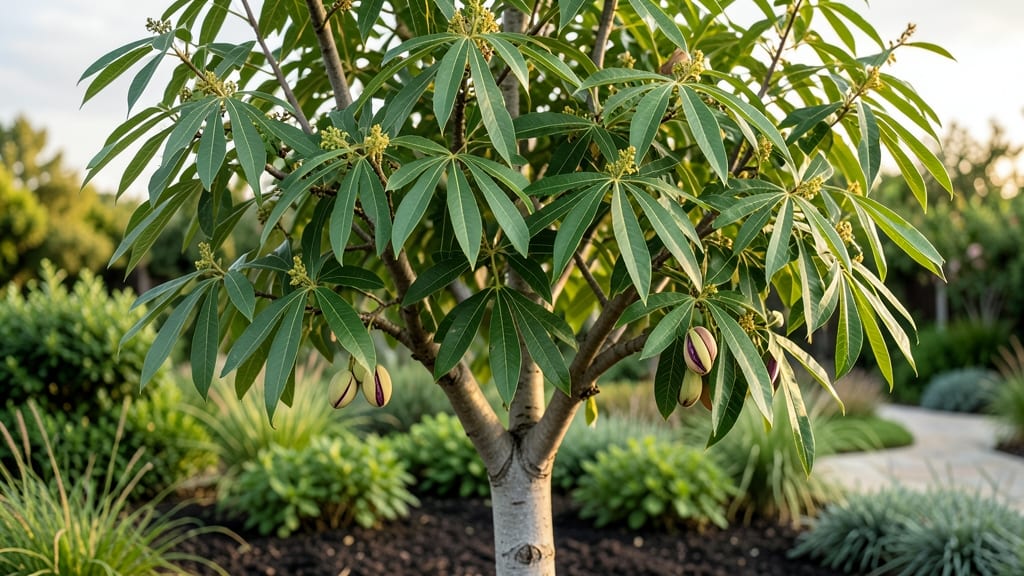
Pistachios grow on pistachio trees, not bushes, reaching heights of 10–20 feet with a sprawling, drought-resistant canopy. These deciduous trees thrive in warm climates and require cross-pollination for nut production, unlike their shrub-like appearance in young stages.
If you've ever seen a young pistachio plant, you might assume it's a bush—its compact shape and dense foliage can fool even experienced gardeners. 🌱 The key difference lies in their growth habits: pistachio plants begin as shrub-like forms but develop into full-sized trees as they mature, thanks to their genetic programming for vertical expansion.
This transformation typically occurs within 3–5 years, when the plant's roots establish deep into the soil and trigger rapid upward growth. The tree's signature sprawling branches aren't just for show; they help maximize sunlight exposure for those energy-intensive nuts.
What's fascinating is how these trees adapt to their environment. Pistachio trees are incredibly drought-resistant once established, thanks to their deep root systems that tap into underground water sources. This resilience explains why they thrive in arid regions like California and Iran, where they've been cultivated for centuries.
The cross-pollination requirement means you'll need at least two trees (different varieties) to get a decent harvest, as their male and female flowers appear on separate plants—a quirk that often surprises home growers.
💡 In This Article
- Why Pistachio Plants Start as Shrubs but Become Trees
- Growing Pistachio Trees: Climate, Soil, and Care Essentials
Why pistachio plants start as shrubs but become trees
Pistachio plants begin their lives as dense, shrub-like forms because they follow a juvenile growth phase common in many tree species. During the first 3-5 years, their energy focuses on root development and establishing a strong structural framework rather than vertical expansion.
This stage is genetically programmed—similar to how fruit trees like apples or cherries start compact before growing taller. The key difference is pistachios' rapid vertical growth spurt once they reach maturity, often shooting up 10-15 feet in just a few years when conditions are ideal.
The transformation happens because pistachio trees have a deep taproot system that can reach 15-20 feet underground, anchoring them firmly while accessing moisture in arid climates.
Their branches develop a sprawling, horizontal canopy (up to 20 feet wide) to maximize sunlight exposure for nut production. 🌿 This growth pattern isn't just about size—it's an adaptation to their natural habitats in dry regions where water conservation is critical.
The tree's structure also helps protect the developing nuts from excessive heat and wind damage.
Climate plays a crucial role in this development. Pistachio trees thrive in USDA zones 7-10, where they experience hot, dry summers and mild winters. In cooler climates, their growth may remain more shrub-like due to slower metabolic rates.
Pruning techniques can also influence this transition—aggressive pruning of young plants can delay their tree-like development by 2-3 years, while allowing natural growth leads to faster maturation. The tree's eventual height and spread are determined by both genetics and environmental factors.
What most people don't realize is that pistachio trees have separate male and female flowers that appear on different plants, requiring cross-pollination for nut production. This biological quirk means you'll need at least two trees (different varieties) to get a harvest.
The female flowers develop into the familiar green pistachio fruits, while male trees provide the pollen. This cross-pollination requirement explains why commercial orchards often plant rows of male trees between female trees to ensure consistent yields.
The tree's distinctive peeling husks (which turn from green to reddish-brown when ripe) are another clue to its mature structure. These husks protect the developing nuts while they grow on the tree's branches, which can hold hundreds of fruits per tree during peak production.
The nuts themselves develop in clusters along the branches, with each cluster containing 3-5 individual nuts. This branching pattern is a hallmark of mature pistachio trees and wouldn't be possible in their shrub-like juvenile phase.
For home gardeners, understanding this growth pattern is essential. Young pistachio plants may look like bushes, but their potential as trees is hardwired in their DNA.
With proper care—including full sun exposure, well-draining soil, and minimal pruning during early years—they'll transform into the impressive trees that produce the nuts we know and love.
The key is patience: it typically takes 5-7 years from planting to first harvest, but the reward is worth the wait for those who understand their growth journey. ✨