
Shrubs
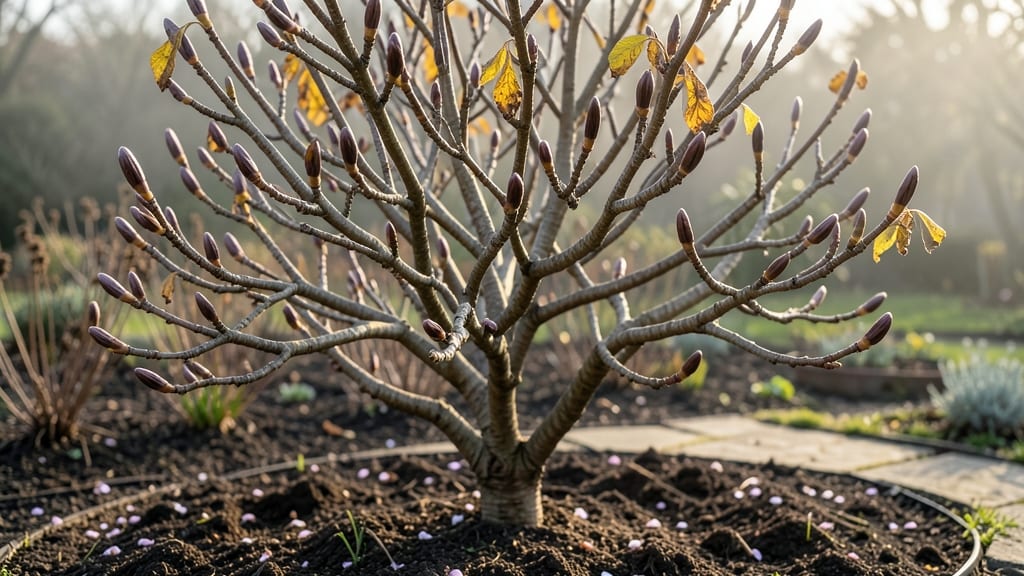
Lilac bushes lose their leaves every year in autumn, entering a natural dormant phase that continues through winter before fresh foliage emerges in spring.
This seasonal pattern isn't just normal—it's essential for their health. 🌿 Lilacs are deciduous shrubs, meaning they conserve energy during cold months by dropping leaves, which reduces water loss and protects them from frost damage.
The timing varies slightly by climate, but most lilacs begin shedding leaves in late September or October, with new growth appearing in early to mid-spring once temperatures rise consistently above 50°F.
What's interesting is how they prioritize flower buds over leaves—many lilacs bloom before new leaves fully unfold, creating that stunning early-spring display.
Think of it like a natural reset button: the leaf drop helps the plant redirect nutrients to its roots and flower buds, setting the stage for next year's vibrant blooms.
This cycle also means you'll never need to worry about "dead" lilacs—what looks like bare branches in winter is just part of their growth strategy. Pro tip: If you notice leaves dropping earlier than expected or no regrowth by late spring, it might signal stress from over-pruning, pests, or poor soil drainage.
💡 In This Article
- Why Lilac Bushes Shed Leaves: The Science Behind Their Deciduous Nature
- Caring for Lilac Bushes After Leaf Drop: Pruning and Winter Prep
Why lilac bushes shed leaves: the science behind their deciduous nature
The leaf-shedding process in lilacs begins with a biological mechanism called abscission, triggered by hormonal changes as daylight shortens in autumn.
As temperatures dip below 60°F and daylight hours shrink to under 12 hours, the plant's meristem cells (growth points) produce higher levels of ethylene and abscisic acid.
These hormones create a separation layer at the leaf base, weakening the connection between the leaf stem and branch. 🌿 The result is clean, natural leaf drop that minimizes damage to the shrub.
This isn't just about temperature—light plays an equally crucial role. Lilacs are photoperiod-sensitive, meaning their growth cycle responds directly to daylight duration. In regions with 10-12 hour daylight windows (common in autumn), the shrubs receive a clear signal to enter dormancy.
What's fascinating is how this process varies by species: common lilacs (Syringa vulgaris) typically shed leaves 4-6 weeks earlier than late-blooming varieties like 'Katherine Havemeyer,' which may hold foliage until mid-November in mild climates.
The dormancy period serves multiple survival functions. By shedding leaves, lilacs reduce transpiration loss (water evaporation) by up to 70%, conserving precious moisture in their roots.
The bare branches also allow sunlight to reach the flower buds forming along last year's growth, which is why lilacs often bloom before new leaves appear—these buds were set during the previous growing season. This dual strategy explains why lilacs can produce stunning spring flowers even after a harsh winter.
What most gardeners don't realize is how temperature gradients regulate this cycle. Lilacs require 400-600 hours of temperatures below 45°F to fully complete dormancy—a process called chilling requirement. Without sufficient cold exposure, buds may fail to open properly, leading to poor flowering.
This is why lilacs grown in warm climates (like Southern California) often need winter protection or may bloom less vigorously. The plant's internal clock ensures it doesn't wake up too early—even if spring arrives unseasonably warm.
The leaf drop also serves as a nutrient redistribution system. As leaves fall, the plant breaks down chlorophyll and transports nitrogen, phosphorus, and potassium back into the roots and stems. This stored energy fuels early spring growth, explaining why well-cared-for lilacs often produce 2-3 times more flowers than stressed plants.
The timing of this process is precise: most lilacs complete 90% of leaf abscission by Thanksgiving, with the final leaves dropping by Christmas in most temperate zones.
One common misconception is that bare lilac branches indicate death. In reality, these shrubs can survive 10-15 years without leaves during winter, with some heritage varieties lasting 50+ years in ideal conditions.
The key visual difference between normal dormancy and stress is the branch condition: healthy dormant branches remain firm and brown, while stressed branches may show shriveling, blackened tips or excessive bud die-off. This distinction helps gardeners determine whether their plant needs intervention or simply requires patience.