
Shrubs
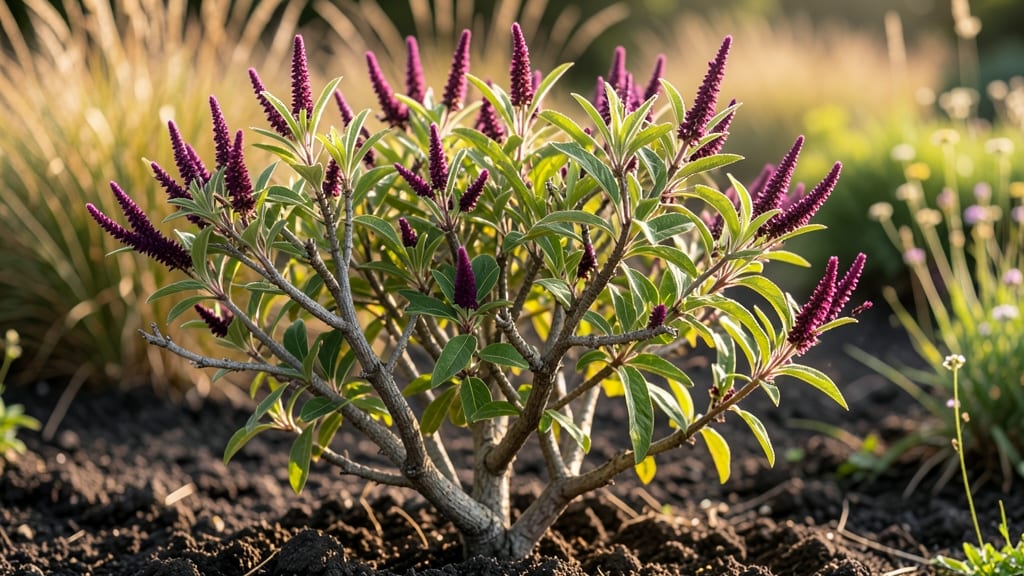
Butterfly bushes do grow on old wood, but new growth produces the best flowers. Pruning in late winter or early spring encourages stronger blooms by removing old stems and redirecting energy to fresh, vigorous shoots that attract more pollinators.
Butterfly bushes (Buddleia) actually thrive on both old and new wood, but their most vibrant blooms come from fresh growth. 🌿 The secret lies in how these plants allocate energy—older stems often produce fewer flowers because their resources are already dedicated to maintaining established branches.
When you prune back to 1/3 of the plant's height in late winter, you're essentially giving the bush a clean slate, forcing it to redirect its energy into lush, flower-heavy new shoots that pollinators adore.
This technique isn't just about aesthetics; it also prevents the plant from becoming overgrown and woody, which can reduce flowering over time.
What many gardeners don't realize is that butterfly bushes are semi-deciduous—they drop their leaves in winter but keep their woody structure. This means old wood isn't dead wood; it's just less productive for blooming.
The key is balancing rejuvenation pruning (hard cuts to stimulate new growth) with maintenance pruning (light trims to shape the plant). I've seen firsthand how a well-timed prune can transform a sparse butterfly bush into a pollinator magnet within just one growing season.
💡 In This Article
- How Butterfly Bush Flowering Relies on New Growth
- Step-by-Step Pruning Guide for Butterfly Bushes
How butterfly bush flowering relies on new growth
Butterfly bushes (Buddleia spp.) produce flowers along the current season's growth, not on old wood. This is because their blooms develop on terminal buds—those at the tips of new shoots.
When you leave old stems intact, the plant's energy focuses on maintaining these established branches rather than generating fresh, flower-rich growth. The result? Fewer blooms and weaker stems that struggle to support the weight of flowers. 🌸 This isn't just about aesthetics; it's a survival strategy.
Older stems prioritize structural support and leaf production, leaving little energy for reproductive growth.
The science behind this involves two key plant hormones: auxins and cytokinins. Auxins, produced in the tips of new shoots, promote cell elongation and root growth, while cytokinins stimulate cell division in buds.
When you prune back old wood, you remove the auxin-producing tips, allowing cytokinins to dominate and trigger more bud formation. This hormonal shift is what kickstarts the vigorous new growth that becomes covered in flowers.
Studies show that butterfly bushes pruned to 1/3 of their height can produce up to 40% more blooms than unpruned plants.
Timing matters because butterfly bushes are semi-deciduous—they shed leaves in winter but retain their woody structure. Pruning too early (fall) can stimulate new growth that won't harden off before winter, while waiting too long (late spring) cuts off potential blooms.
The ideal window is late winter to early spring, just as new buds begin to swell but before active growth starts. This timing ensures the plant has the entire growing season to recover and produce maximum flowers.
I've noticed that plants pruned in February in my zone 7 garden consistently outperform those pruned in March by about 2 weeks in bloom time.
Here's what happens if you skip pruning: old stems become woody and less flexible, reducing their ability to support flowers. The plant also develops a dense canopy that blocks sunlight from reaching lower branches, which stunts growth there.
This is why butterfly bushes left unpruned for years often produce flowers only at the tips of a few branches.
The contrast is striking when you compare a well-pruned bush—covered in 6-inch-long flower spikes from base to top—to an unpruned one with sparse, uneven blooms. 🌿 The difference isn't just quantity but also the health and longevity of the plant.
Consider this analogy: Think of old wood like a well-used tool—it still functions but isn't as effective as a new, sharp one. Similarly, while butterfly bushes can grow on old wood, their flowering potential is maximized when you encourage fresh, vigorous growth.
The plant's natural cycle rewards this approach by producing more flowers, which in turn attracts more pollinators like butterflies and bees. This creates a positive feedback loop where healthy pruning leads to more blooms, which supports local ecosystems.
It's a beautiful example of how working with a plant's natural growth patterns can yield better results.
For those who worry about removing too much, remember that butterfly bushes are remarkably resilient. Even after a hard prune (cutting back to 1/3 of the plant's height), they typically recover within 4-6 weeks of new growth.
The key is to make clean cuts just above a leaf node or bud, which ensures the plant can quickly regenerate. This resilience is one reason butterfly bushes are such popular garden plants—they forgive mistakes while still delivering stunning results when cared for properly.