
Planting
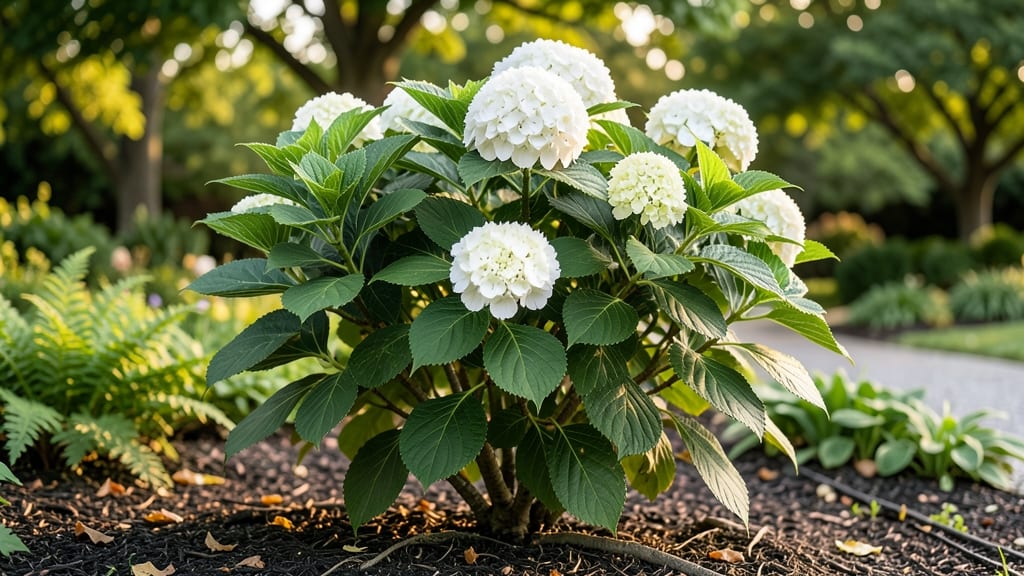
Nothing says "summer in bloom" like a white flower bush plant standing tall in your yard. ✨ These fragrant beauties—like mock orange, abelia, or hydrangeas—bring effortless elegance with minimal fuss, thriving in full sun or partial shade with just basic care.
I’ve watched my own white-flowering shrubs attract bees, fill the air with sweetness, and keep blooming from spring to fall. The secret to their success? Well-draining soil, occasional pruning after flowering, and watering only when the top inch feels dry.
Most varieties grow 3-10 feet tall, so they fit everything from small gardens to large landscapes. My abelia, for example, blooms twice a year with almost no effort—just a light trim in late winter.
By late summer, you’ll be pinching back leggy stems to encourage bushier growth, and by winter, their glossy leaves add structure to your garden. These plants reward patience with years of low-maintenance beauty, making them perfect for busy gardeners who still want a showstopper.
Whether you’re drawn to hydrangeas’ lush clusters, lilacs’ intoxicating scent, or mock orange’s velvety petals, these white-flowering bushes deliver romance with almost no work. Let’s get yours planted!
📚 In This Guide
- What you need
- Instructions
- Tips and common mistakes
- Wrapping up and next steps
What you need
- ● White flower bush plant: Choose a variety like Deutzia, Hydrangea (e.g., 'Annabelle'), or Spiraea. Opt for a 1-3 gallon container-grown plant for easier transplanting.
- ● Well-draining potting mix or garden soil: 5-10 gallons (amend garden soil with compost or peat moss for improved drainage).
- ● Fertilizer: A balanced, slow-release granular fertilizer (10-10-10 or 20-20-20) or organic option like composted manure.
- ● Mulch: 2-3 inches of wood chips, pine straw, or shredded bark to retain moisture and suppress weeds.
- ● Watering can or hose with a gentle spray nozzle: For deep, thorough watering (avoid overhead sprinklers to prevent fungal issues).
- ● Gloves and long sleeves: To protect against thorns (common in Spiraea or Hydrangea) and soil-borne pathogens.
- ● Shovel or trowel: For digging holes (size depends on plant—2-3 times wider and as deep as the root ball).
- ● Pruning shears: Bypass pruners (sharp and clean) for trimming dead branches or shaping.
- ○ Garden fork or aerator: Optional, but helpful for loosening compacted soil before planting.
- ● Measuring tape or ruler: To ensure proper spacing (3-6 feet apart, depending on mature bush size).
- ● Stakes and twine: For supporting young or top-heavy plants (e.g., Hydrangea).
- ○ Soil pH test kit: Optional but recommended—white flower bushes like Hydrangeas thrive in slightly acidic to neutral soil (pH 6.0-7.0).
- ● Sunlight assessment: Confirm your planting spot gets partial sun (4-6 hours/day) or full sun (6+ hours), depending on your bush variety.
- ● Drainage check: Ensure the area isn’t prone to waterlogging (white flower bushes hate soggy roots!).
- ● Season timing: Plant in early spring or fall for optimal root establishment (avoid extreme heat or frost).
- ● Neighborhood rules: Check local HOA or planting regulations if applicable (some bushes grow large!).
How to plant and care for a white flowering bush
Here’s how to get that fragrant, low-maintenance beauty thriving in your yard—no green thumb required.
🌱 Step 1: Choose the Right Location and Planting Time
White flowering bushes like snowball viburnum or mock orange thrive in full sun to partial shade (at least 6 hours of sunlight daily). I always plant mine in spring or early fall when temperatures are mild—this gives roots time to establish before extreme heat or cold. Dig a hole twice as wide as the root ball but only as deep—planting too deep suffocates roots.
Loosen the edges of the hole with a shovel to prevent compacted soil from restricting root growth. If your soil drains poorly, mix in 2-3 inches of compost at the bottom of the hole. This ensures proper drainage while adding nutrients—critical for first-year growth.
🪴 Step 2: Plant with Proper Spacing and Soil Prep
Place the bush in the hole so the top of the root ball sits 1 inch above ground level. This prevents water from pooling around the stem and causing rot. Spread the roots gently outward—don’t bend them—then fill the hole with soil, pressing lightly to remove air pockets. For 4 bushes, space them 6-8 feet apart to allow airflow and prevent overcrowding.
Water deeply right after planting to settle the soil and eliminate air gaps. You’ll know it’s right when water drains evenly from the hole without pooling. Mulch around the base with 2-3 inches of organic mulch, keeping it 3 inches away from the stem to avoid moisture buildup that invites pests.
☀️ Step 3: Water and Fertilize for First-Year Growth
Keep the soil evenly moist but not soggy for the first 4-6 weeks—this is when roots establish. Water deeply once a week if rainfall is light, checking that the soil is dry 2 inches down before watering again. Overwatering here leads to root rot, and you’ll see yellowing leaves as a warning sign.
In early spring, apply a balanced, slow-release fertilizer (like 10-10-10) around the base, keeping it 6 inches away from the stem. This encourages strong blooms without burning tender roots. I skip fertilizer in the first year—healthy soil and proper watering are all these bushes need to thrive.
✂️ Step 4: Prune for Shape and Health After Flowering
Prune white flowering bushes in late winter or early spring, just as buds begin to swell. Remove dead, diseased, or crossing branches first—this improves airflow and prevents fungal issues. For shaping, cut back overgrown branches by ⅓ to encourage bushier growth and more blooms.
Never prune in fall—you’ll remove next year’s flower buds. If your bush flowers on new wood (like hydrangeas), prune right after blooming. For old wood bloomers (like lilacs), wait until after flowering to avoid sacrificing next season’s flowers.
🌿 Step 5: Maintain Year-Round for Fragrant Beauty
Once established, these bushes are drought-tolerant but still need 1 inch of water weekly during dry spells. In winter, apply a 2-3 inch layer of mulch to protect roots from freezing temperatures. I also check for winter burn—brown leaf edges—by ensuring the bush isn’t exposed to harsh winds.
Deadhead spent blooms in late summer to encourage a second flush of flowers. If pests like aphids appear, spray with neem oil—it’s gentle on plants and effective. With minimal care, your white flowering bush will reward you with fragrant blooms for years, attracting pollinators and adding elegance to your landscape.
Tips & tricks for perfect white flowering bush planting
These simple tricks will help your fragrant bushes thrive with minimal effort and maximum beauty.
Location Intelligence: While 6 hours of sunlight is ideal, observe your yard's microclimates. Morning sun with afternoon shade works beautifully for many varieties—just watch for leaf scorch on hot afternoons. If your area gets intense afternoon sun, consider partial shade varieties like mock orange which handle heat better than snowball viburnum.
Soil Prep Secret: The 2-3 inches of compost recommendation is perfect, but here's the pro move: mix in a handful of perlite or coarse sand if your soil feels heavy or clay-like. This prevents compaction and improves drainage without changing the soil structure. I've seen roots establish twice as fast with this simple addition.
Watering Wisdom: That "evenly moist but not soggy" rule is critical during those first 4-6 weeks. Here's how to test: Stick your finger 2 inches down—if it feels dry, water. If it's damp, wait. Overwatering here is the #1 reason bushes fail in their first year. Yellowing leaves are your first warning sign to cut back.
Pruning Precision: When you cut back overgrown branches by ⅓, make clean cuts just above a leaf node or bud. Avoid leaving stubs—this prevents disease entry points. For shaping, I like to step back every few cuts to visualize the final shape before making more cuts. This helps create that natural, full look.
Pro Tips for White Flower Bush Plant
- These simple tricks will help your fragrant bushes thrive with minimal effort and maximum beauty.
- Location Intelligence: While 6 hours of sunlight is ideal, observe your yard's microclimates.
- Soil Prep Secret: The 2-3 inches of compost recommendation is perfect, but here's the pro move: mix in a handful of perlite or coarse sand if your soil feels heavy or clay-like.
Frequently asked questions
Got questions about growing and maintaining a stunning white flower bush plant? You’re not alone! Here are some of the most common queries—plus straightforward answers to keep your fragrant beauty thriving with ease.
What’s the best white-flowering bush for full sun exposure?
If your garden soaks up plenty of sunlight, opt for a Deutzia or Weigela. Both bloom prolifically in full sun and handle heat well. For partial shade, consider Hydrangea varieties like ‘Annabelle’—their white blooms shine even in dappled light! Just ensure they get at least 4-6 hours of sun daily for optimal flowering.
When is the ideal time to plant a white flower bush?
Plant in early spring or fall when temperatures are mild (50–70°F). This gives roots time to establish before extreme heat or cold. Avoid planting in summer’s peak—stress from heat or drought can stunt growth. Pro tip: Water deeply after planting and mulch to retain moisture!
How do I prevent pests like aphids or spider mites from attacking my bush?
Start with healthy soil and regular pruning to encourage airflow. For pests, blast them off with a hose spray or use neem oil (mix 1 tbsp with 1 quart water). Introduce ladybugs—they’re natural aphid predators! Monitor leaves weekly, especially during dry spells when pests thrive.
Should I prune my white flower bush, and if so, when?
Prune right after flowering (late spring/early summer) to shape the bush and encourage next year’s blooms. For spring-blooming varieties (like lilacs), prune immediately after flowers fade. Use clean, sharp shears to cut back 1/3 of the oldest stems—this rejuvenates growth! Avoid heavy pruning in fall, as it can stress the plant before winter.
What are some low-maintenance alternatives to traditional white flower bushes?
If you want fragrance + ease, try:
- Dwarf Mock Orange (Philadelphus): Compact, highly fragrant, and drought-tolerant.
- Abelia: Semi-evergreen with white/pink blooms and zero fuss.
- Pieris Japonica: Evergreen with cascading white flowers in early spring.
Why aren’t my white flowers blooming this year?
Common culprits:
- Late frosts damaging buds (protect with frost cloth if needed).
- Over-fertilizing with high nitrogen (promotes leaves, not flowers).
- Insufficient sunlight (most bushes need 6+ hours/day).
- Root-bound plants (transplant if pot-bound).
Wrapping up and next steps
Transforming your outdoor space with a white flower bush plant is easier—and more rewarding—than you think! These fragrant beauties thrive with minimal care, offering year-round charm while attracting pollinators and boosting curb appeal.
Whether you’re a seasoned gardener or just starting out, their resilience and low-maintenance nature make them the perfect addition to any yard.
Ready to get started? Pick your favorite variety, gather your supplies, and plant with confidence. Watch as your garden blooms into a serene, fragrant oasis—one bush at a time! 🌸