
Pruning
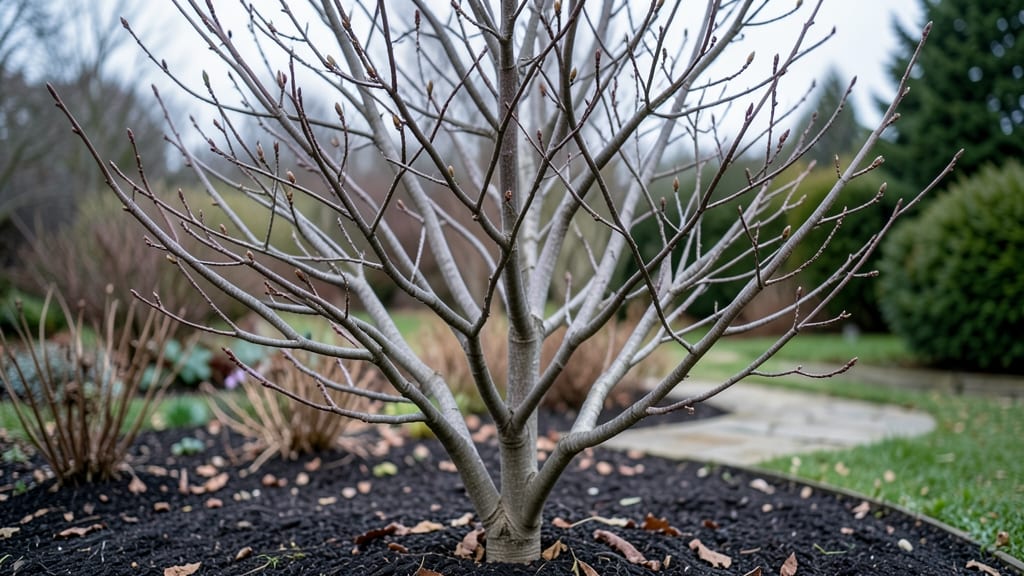
Late-season mock orange pruning can mean the difference between a fragrant spring explosion and a sparse, weak display. ✨ I’ve watched my Philadelphus bushes go from leggy winter survivors to showstopping bloomers by following a few key steps—especially in colder climates where winter can be brutal.
The right timing matters: prune after the first hard frost but before new growth starts in early spring. This cleans up dead wood, opens the center for airflow, and encourages stronger stems. For zones 5-7, that’s usually late November to mid-December—just don’t rush it.
Cold-hardy varieties like P. lewisii handle it better than P. coronarius, but both benefit from a sharp trim. You’ll see fresh, vibrant growth by late April, with blooms arriving weeks earlier than unpruned bushes. The fragrance alone—like cream and honey—makes the effort worth it.
Just avoid heavy pruning if your bush is young or struggling; a light shape-up is safer. Works for both container-grown and in-ground bushes, and the same principles apply whether you’re in the Pacific Northwest or the Midwest. Let’s get those branches in shape!
📚 In This Guide
- What you need
- Instructions
- Tips and common mistakes
- Wrapping up and next steps
What you need
- ● Pruning shears – Sharp, bypass-style shears (for clean cuts) or anvil-style for thicker branches (test sharpness first!).
- ● Loppers – For branches ½ to 1½ inches thick (extendable handles help with tall bushes!).
- ● Pruning saw – For stubborn, thicker-than-1½-inch branches (avoid tearing wood!).
- ● Gloves – Heavy-duty, cut-resistant (mock orange thorns are no joke!).
- ● Disinfectant – 70% isopropyl alcohol or bleach solution (1 part bleach : 9 parts water) to sterilize tools between cuts.
- ● Trash bags – Heavy-duty, 30+ gallon for debris (or a wheelbarrow if hauling far!).
- ● Rake or broom – For clearing fallen leaves/debris after pruning.
- ○ Pruning sealant – Optional but helpful for large cuts (>½ inch) to prevent disease (look for Tanglefoot Tree Wound Pruning Seal).
- ● Ladder – Sturdy, 4+ ft if your bush is tall (or a pruning pole for overhead branches).
- ● Hand saw – For fine-tuning small, awkward cuts.
- ● Marking spray – Bright paint to tag branches for removal (useful for large-scale pruning).
- ● Work boots – With ankle support (you’ll be standing a lot!).
- ● Sunscreen & hat – Winter sun can sneak up on you!
Step-by-Step guide to pruning mock orange bushes in winter
Here's how to refresh your fragrant shrub for a stronger, more vibrant spring.
✂️ Step 1: Time Your Pruning for Best Results
Prune your mock orange bush late winter to early spring, just before new growth begins. In most climates, this means February through March when the plant is still dormant but the ground isn't frozen. You'll see swollen buds along the stems—this is your signal to act. Pruning too early can expose tender wood to harsh winter winds, while waiting too long risks removing next season's flowers.
If you missed the window, don't panic—you can still prune in early spring as soon as growth resumes. Just be gentle with any late bloomers, as mock orange flowers on old wood, meaning this year's blooms formed last summer. Cutting back too aggressively now could reduce next year's fragrance.
✂️ Step 2: Gather Tools and Inspect the Bush
You'll need clean, sharp pruning shears (sterilized with rubbing alcohol) and thick gardening gloves—mock orange thorns are sharp! Start by removing any dead, diseased, or crossing branches first. Dead wood is easy to spot: it's brown, brittle, and doesn't bend. Diseased branches may have black spots or fungal growth, while crossing branches rub against each other, creating wounds that invite pests.
Next, examine the bush's shape. Mock orange grows naturally in a rounded, multi-stemmed form, so avoid turning it into a single-trunk specimen. Look for water sprouts—those fast-growing, vertical shoots that steal energy from the main structure. These should be cut back to the ground immediately.
✂️ Step 3: Thin Out for Airflow and Light
Mock orange thrives with good airflow, which reduces humidity-related diseases like powdery mildew. Step back and visualize the bush's center—aim to remove 20-30% of the oldest stems to open it up. Start with the thinnest, least productive branches first. You'll know you're on the right track when you can see light filtering through the center and air circulating freely.
When thinning, cut branches back to their origin (where they meet another stem or the main trunk). Avoid leaving stubs—these can rot and attract pests. Make cuts at a 45-degree angle, about ¼ inch above an outward-facing bud. This encourages new growth to shoot outward, maintaining the bush's natural shape.
✂️ Step 4: Shape for Spring Blooms
Mock orange flowers on old wood, so focus on light shaping rather than heavy cutting. Trim back any overly long or leggy branches by one-third of their length to encourage bushier growth. Avoid "lion-tailing," where you shear the ends flat—this creates a messy look and weakens the plant. Instead, prune individual stems to maintain a natural, layered appearance.
Pay special attention to the outer edges of the bush. These branches should be the most vigorous, as they'll produce the most flowers. If a branch is growing inward, cut it back to the point where it turns outward—this prevents a dense, congested center. After pruning, the bush should look balanced and open, with room for new growth to fill in gaps.
🌿 Step 5: Clean Up and Protect for Spring
Once pruning is complete, remove all clippings from the area to prevent fungal spores from reinfecting the plant. If you notice any sawdust-like frass (a sign of borers) or holes in stems, treat the cuts with pruning sealant to protect against pests. For larger wounds, apply a thin layer of tree wound dressing to help the plant heal.
After pruning, give your mock orange bush a deep watering to help it recover. Mulch the base with 2-3 inches of organic mulch (like shredded bark) to retain moisture and regulate soil temperature. Avoid piling mulch against the trunk—keep it 2-3 inches away to prevent rot. With proper pruning, your mock orange will reward you with lush foliage and intoxicating blooms by late spring.
Tips & tricks for perfect mock orange bush winter pruning
Here's what nobody tells you about pruning—these tricks will help you avoid common mistakes and get the best results.
The Right Timing Secret: Pay close attention to those swollen buds in Step 1—they're your golden signal that the bush is ready. I've pruned too early before, and the tender new growth got frostbitten. If you're unsure, wait until you see at least 20% of the buds showing signs of swelling. This ensures you're not cutting back potential blooms that formed last summer.
Tool Prep Matters: In Step 2, don't just sanitize your pruning shears—sharpen them first. Dull blades crush stems instead of making clean cuts, which stresses the plant. I keep a small file in my gardening toolkit specifically for this. For stubborn branches, use a pruning saw for clean cuts without tearing the bark. The sharper your tools, the faster the plant recovers.
Visual Cues for Pruning: When thinning in Step 3, imagine sunlight filtering through the center of your bush. That's your goal! I step back every few cuts to check my progress. For the 45-degree angle cuts, practice on a scrap piece of wood first—it's easier than it looks. The key is to cut just above an outward-facing bud so new growth follows the plant's natural shape.
Aftercare That Makes a Difference: After pruning, don't just toss those clippings in the compost pile. Burn them or bag them separately—mock orange can host fungal spores that might reinfect your plant. I also apply a thin layer of tree wound dressing to any large cuts over ½ inch in diameter. This simple step prevents pests from moving in and gives your bush a better chance to heal properly before spring.
Pro Tips for Mock Orange Bush In Winter
- Here's what nobody tells you about pruning—these tricks will help you avoid common mistakes and get the best results.
- The Right Timing Secret: Pay close attention to those swollen buds in Step 1—they're your golden signal that the bush is ready.
- Tool Prep Matters: In Step 2, don't just sanitize your pruning shears—sharpen them first.
Frequently asked questions
about mock orange bushes in winter—because even the hardiest plants need a little TLC! Here are answers to the most common queries to keep your fragrant shrub thriving.When is the best time to prune mock orange bushes in winter?
Prune mock orange bushes late winter (just before new growth starts, roughly February–March in most climates). This timing ensures you remove dead wood while leaving healthy buds intact for spring blooms. Avoid pruning too early—cold snaps can stress fresh cuts. Pro tip: If your region has unpredictable winters, wait until after the last frost date!
How much can I trim back a mock orange bush in winter?
Mock orange bushes are resilient, but avoid over-pruning! Light to moderate trimming (removing 1/3 of the plant’s height) is ideal. Focus on:
- Dead or diseased branches (cut to the base).
- Crossing or rubbing branches (thin them out).
- Shaping the bush to encourage airflow (but avoid drastic cuts).
What if my mock orange bush looks dead in winter?
Don’t panic! Mock orange bushes are evergreen (or semi-evergreen) and may appear dormant. Check for:
- Green stems under brown foliage = still alive!
- No buds = possible dieback (prune cautiously).
- Soft, mushy stems = likely dead (remove entirely).
Are there winter-hardy alternatives to mock orange?
Yes! If mock orange struggles in your climate, try these fragrant, cold-tolerant shrubs:
- Winter Daphne (Daphne odora): Blooms in late winter with sweet fragrance.
- Pieris japonica: Evergreen with spring blooms and red new growth.
- Viburnum bodnantense: Winter-flowering with intense scent.
- Boxwood (Buxus): Drought-tolerant and low-maintenance.
Why isn’t my mock orange bush blooming after pruning?
Mock orange blooms on old wood, so aggressive pruning can delay flowers. Common causes:
- Pruning too late (after buds swell in spring).
- Over-trimming (removing last year’s growth).
- Poor sunlight (6+ hours/day needed).
- Nutrient deficiency (feed with balanced fertilizer in early spring).
Wrapping up and next steps
Your mock orange bush is a winter beauty waiting to bloom! By mastering late-season pruning, you’re setting the stage for abundant fragrance and lush growth come spring. Remember: timing, clean cuts, and patience are your best tools—so grab those shears and give your plant the care it deserves.
Ready to transform your garden? Start by reviewing your notes—then mark your calendar for next winter’s pruning session! With each snip, you’re not just trimming branches; you’re nurturing a fragrant masterpiece that’ll reward you for years to come. 🌸✨