
Pruning
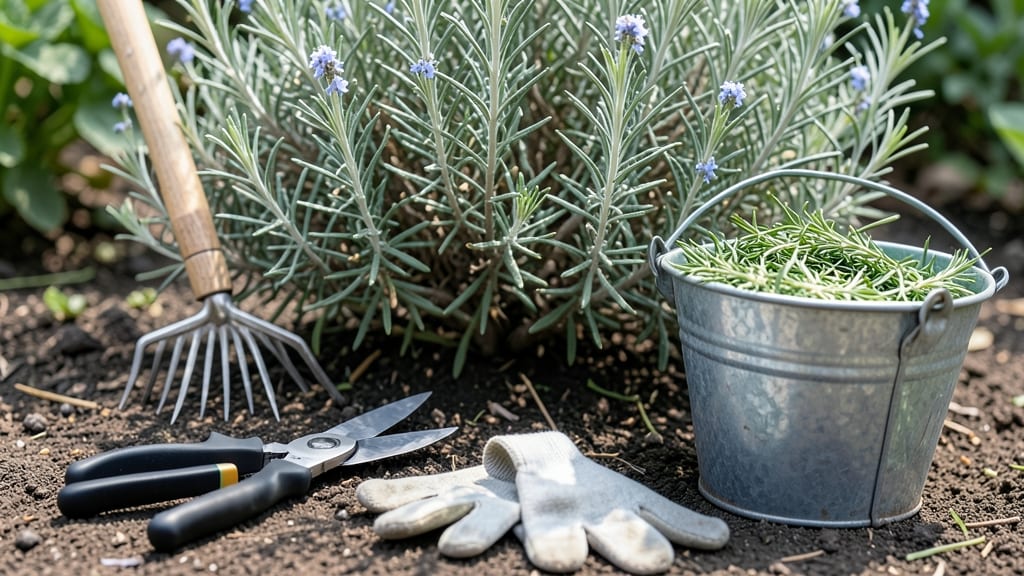
Cutting back rosemary bushes in late winter gives them a fresh start—and your kitchen a year of fragrant harvests. ✂️ I’ve learned the hard way that timing matters: prune too early, and you risk frost damage; too late, and the bush becomes woody and sparse.
The secret is a sharp trim just as new growth begins, right before spring’s first warm spell. You’ll need bypass pruners (dull blades crush stems), gloves (rosemary’s needles are sharp), and a bucket to collect clippings—those dry into fragrant potpourri. Focus on shaping the bush, not just hacking branches.
Aim to remove 1/3 of the oldest growth each year to keep it lush and productive. After pruning, your rosemary will burst with bright green new shoots within weeks, smelling like a sunlit herb garden. The bush stays compact, resists woody stems, and produces more flavorful sprigs for cooking.
Just avoid cutting into old, bare wood—those stems won’t regrow. This method works for upright, prostrate, and trailing varieties, whether in pots or garden beds. With the right cuts, your rosemary will thrive for years—no more leggy, sparse bushes!
📚 In This Guide
- What you need
- Instructions
- Tips and common mistakes
- Wrapping up and next steps
What you need
- ● Bypass pruning shears – Sharp, clean, and sturdy (avoid anvil shears to prevent crushing stems). Choose 5-inch blades for medium-sized bushes.
- ● Hand pruners or loppers – For thicker stems (¼-inch to ¾-inch diameter). Opt for bypass-style to maintain clean cuts.
- ● Garden gloves – Durable, cut-resistant (rosemary can be prickly!). Look for nitrile-coated or leather options.
- ● Disinfectant (70% isopropyl alcohol or bleach solution) – 1 part bleach to 9 parts water to sterilize tools between cuts and prevent disease.
- ○ Garden twine or zip ties – For tying up large branches if needed (optional but helpful for heavy growth).
- ● Garden waste bag or bucket – To collect pruned stems (rosemary trimmings can be composted or used for homemade rosemary oil!).
- ● Long-handled pruners or a pruning saw – For tall or hard-to-reach bushes (6-foot extendable handles work great!).
- ● Hose or water spray bottle – To rinse tools between cuts and keep stems clean.
- ● Sharpener or sandpaper – To maintain blade sharpness if your shears get dull mid-prune.
- ○ Pruning sealant (optional) – For large cuts (like 1-inch+ diameter), though rosemary typically heals well without it.
- ● Notebook or phone – To sketch a quick map of your bush’s shape before pruning (great for beginners!).
Step-by-Step guide to reviving your rosemary bushes
Here's the method I use every winter to keep my rosemary lush and thriving.
✂️ Step 1: Time Your Pruning for Late Winter
Wait until after the last frost date in your area—typically late February to early March—before cutting back rosemary. This hardy herb can handle cold, but new growth needs warmth to establish. I always check my local frost calendar and aim for 2-3 weeks before spring planting season.
Look for signs that your rosemary is ready: woody stems at the base and leggy growth from last year. These are your cues that it’s time to shape up. Avoid pruning in fall or early winter, as this can leave the plant vulnerable to cold damage.
✂️ Step 2: Gather Your Tools and Prepare the Plant
You’ll need sharp pruning shears (never dull scissors—they tear stems) and a clean bucket for trimmings. I also like to have a small spray bottle with water handy for refreshing cut stems later. Before you start, give your rosemary a good drink of water—this helps the plant recover faster.
Step back and examine the bush. Rosemary grows in an upright, woody form, so focus on cutting back one-third of the oldest growth. This encourages fresh, bushier growth from the base. Avoid cutting into bare wood—always leave green stems with leaves.
✂️ Step 3: Cut Back Leggy and Overgrown Stems
Start by removing any dead, diseased, or crossing branches first. These compete for resources and can invite pests. Next, cut back the leggy stems—those long, bare branches that reach outward. Make your cuts just above a set of leaves or a small side shoot. This is where new growth will sprout.
For thicker stems, cut at a 45-degree angle to prevent water from pooling on the cut. For thinner stems, a straight cut works fine. You’ll see the plant’s natural shape emerge as you prune—rosemary loves to be shaped into a rounded bush. Step back occasionally to check your progress.
✂️ Step 4: Shape the Bush for Bushier Growth
Now it’s time to refine the shape. Rosemary responds well to pruning, so don’t be afraid to cut back up to one-third of the plant’s height. Focus on opening up the center to improve airflow, which reduces the risk of fungal diseases. I like to leave the top slightly rounded—this mimics its natural growth pattern.
Watch for new growth emerging from the base within 4-6 weeks. This is your reward for pruning! If you see bare spots after cutting, don’t worry—rosemary often fills in quickly with new shoots. Just give it time and consistent watering (but not too much—it’s drought-tolerant!).
💧 Step 5: Post-Pruning Care for a Strong Revival
After pruning, water your rosemary deeply to help it recover. I like to mulch around the base with 2-3 inches of organic mulch (like wood chips or straw) to retain moisture and protect the roots. Avoid heavy mulch piles, though—keep it loose so air can circulate.
In the first few weeks after pruning, keep an eye out for new growth. If the weather warms up quickly, you might see fresh shoots within 2-3 weeks. If not, don’t worry—rosemary is patient. Just avoid heavy pruning again until next winter. With proper care, your bush will be fuller and more vibrant than ever!
Tips & tricks for pruning rosemary like a pro
These simple strategies will help your rosemary bounce back stronger than ever after pruning.
Timing is Everything: The late winter timing in Step 1 is crucial because rosemary's growth cycle naturally slows down in cold months. I've found that pruning too early can stress the plant, while waiting too late risks losing the fresh spring growth window. Check your local frost dates—this is your golden window of 2-3 weeks before spring planting season that makes all the difference.
Tool Selection Matters: Never underestimate the quality of your pruning shears from Step 2. Dull blades tear stems instead of making clean cuts, which can invite disease. I keep a pair of bypass pruners specifically for rosemary—I've ruined three batches of herbs using kitchen scissors! Also, sterilize your shears with rubbing alcohol between cuts if you're working with multiple plants.
Shape with Purpose: When shaping in Step 4, think of rosemary like a topiary—it loves structure. I like to create a slightly tapered shape with a rounded top, which mimics its natural growth pattern. This not only looks beautiful but also creates that perfect airflow we want. Pro tip: Use a small mirror to check hard-to-see areas—you'll spot missed spots you'd never notice otherwise.
Post-Pruning Revival: The 2-3 inches of organic mulch in Step 5 is your secret weapon for recovery. I've seen rosemary plants revive dramatically after pruning when given this extra protection. Just remember to keep it loose—compacted mulch can suffocate roots. For extra insurance, I sprinkle a light layer of compost around the base after mulching to give the plant a nutrient boost as it recovers.
Pro Tips for Cut Back Rosemary Bushes
- These simple strategies will help your rosemary bounce back stronger than ever after pruning.
- Timing is Everything: The late winter timing in Step 1 is crucial because rosemary's growth cycle naturally slows down in cold months.
- Tool Selection Matters: Never underestimate the quality of your pruning shears from Step 2.
Frequently asked questions
Got questions about trimming your rosemary? You’re not alone! Here are answers to the most common concerns—so you can prune with confidence and keep your bushes thriving.
When is the best time to cut back rosemary?
The ideal window is late winter or early spring (just before new growth starts) to encourage fresh, bushy foliage. For Mediterranean varieties, a light trim after flowering in summer also works. Avoid heavy pruning in fall—rosemary needs time to harden off for winter.
How much can I trim without harming the bush?
Never remove more than ⅓ of the plant in one session. For established bushes, aim to cut back to just above a leaf node (where leaves meet the stem) to stimulate branching. Over-pruning can stress the plant, especially in hot climates.
What if my rosemary looks leggy or woody?
Leggy or woody stems mean it’s time for a rejuvenation cut! Trim back to 6–12 inches from the base in early spring. Young rosemary recovers faster—older bushes may take a season to bounce back. Mulch well afterward to support regrowth.
Can I propagate rosemary from cuttings?
Hardwood cuttings
(from woody stems) root best in late fall/winter, while softwood cuttings (from new growth) work in spring/summer. Dip the cut end in rooting hormone, plant in well-draining soil, and keep moist (but not soggy) until roots form (4–6 weeks).
How do I protect rosemary after pruning in cold climates?
If temps drop below 20°F (-7°C), cover bushes with burlap or frost cloth after pruning. Avoid heavy mulch—it can trap moisture and rot stems. Water deeply before winter to help roots withstand cold, but let soil dry slightly before freezing.
Wrapping up and next steps
Cutting back your rosemary bushes doesn’t have to be intimidating—with the right timing, tools, and technique, you’ll encourage healthier growth and lush foliage. Remember, late winter or early spring is ideal, and always prune just above a leaf node to promote new shoots.
Whether you’re shaping for aesthetics or reviving an overgrown bush, your efforts will pay off with vibrant, aromatic plants ready for the growing season!
Now that you’re armed with the know-how, grab those shears and get pruning! 🌿 For even better results, consider harvesting a few sprigs to use in your favorite recipes—because who doesn’t love fresh rosemary in their cooking? Happy gardening!