
Shrubs
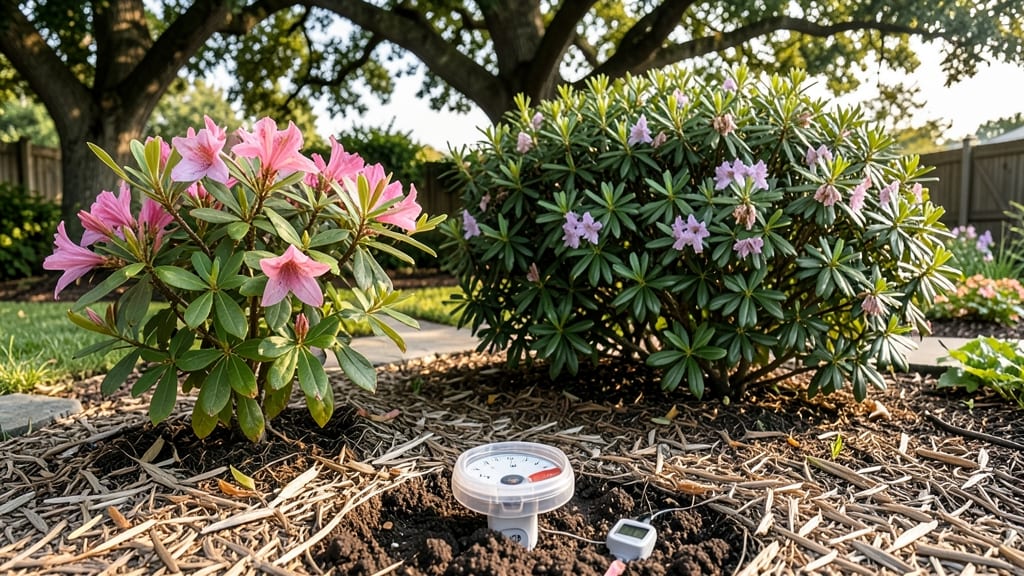
Azalea bushes thrive in sun or shade—but getting the balance right is the key to vibrant blooms and healthy foliage.
Struggling to get your 🌸 azalea bush to bloom? The battle between sun and shade might be the hidden culprit—getting the light balance just right is the secret to vibrant flowers and lush foliage.
In Zone 6, where temperatures swing from hot summers to cold winters, azaleas need partial shade to protect their delicate leaves. Too much direct sun can scorch them, while too little light weakens growth and reduces blooms.
Below, I’ll break down the ideal light conditions, how to spot signs of improper lighting, and tips to adjust your azalea’s placement for peak health—no guesswork required.
 Best Window Placement
Ideal sunlight conditions for azalea bushes: how much light do they need?
Azalea bushes thrive in partial shade, but the exact balance of sun and shade depends on your USDA hardiness zone and local climate. Too much direct sun can scorch their delicate leaves, while too little light reduces blooms and weakens growth.
Understanding these nuances is key to keeping your azaleas vibrant and healthy year after year.
In most regions, azaleas prefer 2-4 hours of morning sunlight followed by dappled shade or filtered light for the remainder of the day. This mimics their natural habitat under forest canopies, where they receive gentle light without harsh afternoon rays.
The right light balance ensures abundant blooms and lush foliage while preventing stress.
Here’s a quick breakdown of how light intensity affects azaleas:
| Light Condition | Sunlight Hours | Best For | Climate Zones |
|---|---|---|---|
| Morning Sun + Afternoon Shade | 2-4 hours direct sun | All azalea varieties | Zones 6-9 |
| Dappled Light (Filtered Sun) | Indirect light all day | Shade-tolerant varieties | Zones 7-10 |
| Full Shade (No Direct Sun) | 0 hours direct sun | Northern climates or deep shade | Zones 4-6 |
| Harsh Afternoon Sun | Avoid after 12 PM | All azaleas (risk of scorch) | Zones 7-10 (hot climates) |
For gardeners in hotter climates (Zones 7-10), afternoon shade is non-negotiable. The intense sun between 12 PM and 4 PM can cause leaf burn and bloom failure. Plant azaleas near tall trees, on north-facing walls, or under pergolas to filter sunlight naturally.
In cooler zones (Zones 4-6), they tolerate more morning sun and even partial shade all day.
If you’re planting azaleas in containers, prioritize east-facing locations for morning sun exposure. Containers dry out faster, so ensure they’re in a spot with consistent moisture and indirect light for the rest of the day.
South-facing windows or patios can work, but use sheer curtains to diffuse harsh light during peak hours.
Light intensity also affects blooming cycles. Azaleas need 6-8 weeks of cooler temperatures (below 60°F) to set buds for spring blooms. Too much heat or direct sun can delay or prevent flowering.
In southern climates, consider planting evergreen azaleas, which bloom later in the season when temperatures are milder.
Pro tip: Observe your azalea’s leaves for clues. Dark green, glossy leaves indicate ideal light conditions, while yellowing or crispy edges signal too much sun. Conversely, pale, sparse leaves mean it’s not getting enough light. Adjust placement gradually—azaleas adapt slowly to sudden changes in light exposure.
In urban gardens with limited space, use reflective surfaces like white walls or gravel to bounce light gently onto the plant. This mimics natural dappled light and helps maximize blooms without risking sun damage. Pair azaleas with hostas or ferns to create a layered shade garden that thrives together.
Remember, azaleas are not low-light plants—they need some sunlight to photosynthesize and bloom. The key is balancing gentle light exposure with protection from harsh afternoon rays. With the right spot, your azaleas will reward you with season-after-season color and minimal stress.
Signs your azalea bush isn’t getting the right sun or shade (and how to fix it)
If your azalea bush looks more leggy than lush or sports fewer blooms than expected, your light balance might be off. Azaleas thrive in partial shade—too much sun causes leaf scorch, while too little shade leads to weak growth.
I’ve seen gardeners struggle with this balance, especially in hotter climates where afternoon sun intensifies.
Start by observing your azalea’s foliage color. Healthy leaves should be deep green, but if they’re turning yellow or brown, it’s a red flag. Yellowing often signals too much shade, while crispy, brown edges point to sunburn.
Even sparse blooming can stem from light issues—azaleas need morning sun to trigger flowering.
Azaleas hate sudden light changes! Moving a potted azalea from deep shade to full sun too quickly causes leaf drop and wilting. Acclimate plants gradually by placing them in dappled light for 1-2 weeks before full exposure. For outdoor azaleas, prune nearby trees slowly over 2-3 years to avoid shocking roots.
For over-shaded azaleas, try relocating them to a spot with 2-4 hours of morning sun. If your yard lacks such a spot, consider reflective surfaces like light-colored walls or mirrors to bounce extra light onto the plant.
In containers, move pots to a sunnier location during peak morning hours. Mulch with organic matter like pine bark to improve soil drainage and reduce stress.
If your azalea shows sunburn signs—like white or brown patches on leaves—provide afternoon shade using a lightweight shade cloth (30-50% block). For severe cases, trim affected leaves with sterilized pruners to redirect energy to healthy growth.
Avoid pruning during blooming season (spring), as this removes next year’s flower buds.
Another trick? Water deeply in the morning to boost leaf turgor and reduce sun stress. Azaleas in hot, dry climates benefit from daily misting during peak sun hours. Group azaleas with companion plants like ferns or hostas to create a natural shade canopy.
Over time, your azalea will reward you with vibrant blooms and dense foliage.
Remember, patience is key. Adjusting light conditions takes time, but with these fixes, your azalea will thrive. Monitor progress monthly and tweak as needed—your garden’s microclimate changes with seasons! 🌿