
Shrubs
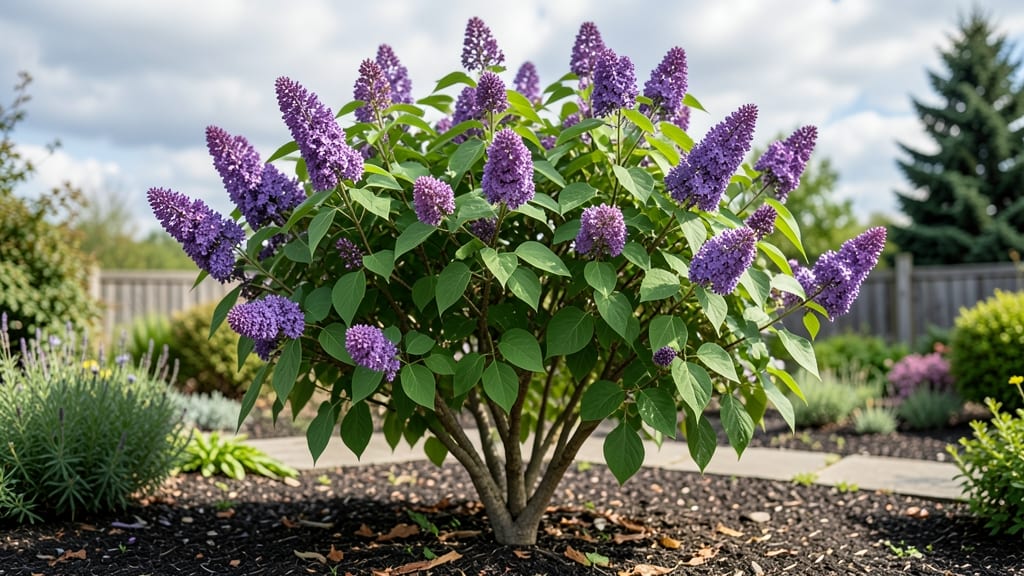
A lilac bush thrives in sun or shade—but getting the balance wrong can mean the difference between show-stopping blooms and a struggling shrub.
Your 🌸 could be struggling to bloom—or worse, dying—because of one simple factor: light exposure. Too much sun scorches delicate blooms, while too little shade weakens fragrance and growth. Here’s how to get it just right for show-stopping purple perfection.
Most lilacs crave full sun (at least 6 hours daily) for vibrant blooms, but some varieties handle partial shade better, especially in hot climates. The key? Matching your bush’s needs to its location—whether that’s a sunny border or a dappled woodland edge.
In this guide, I’ll break down the best light conditions for your lilac, plus soil tips, watering tricks, and how to fix common light-related problems before they worsen.
 Best Window Placement
Optimal sunlight requirements for lilac bushes by variety
Not all lilac bushes are created equal when it comes to sunlight needs. While most varieties thrive in full sun, some French lilacs and dwarf cultivars can handle partial shade—especially in hot climates where afternoon sun might scorch delicate blooms.
The key is understanding your specific variety’s tolerance and adjusting for your USDA hardiness zone.
For example, common lilacs (Syringa vulgaris) love 6+ hours of direct sun daily, producing their most vibrant blooms and intoxicating fragrance. But in Zone 8 or higher, even these sun-lovers may benefit from morning sun with afternoon shade to prevent leaf burn.
Meanwhile, dwarf varieties like 'Little Johnny' can adapt to 3-4 hours of sun in partial shade, making them perfect for smaller gardens or shaded patios.
| Variety | Sunlight Needs | Bloom Intensity | Growth Pattern | Climate Notes |
|---|---|---|---|---|
| Common Lilac (Syringa vulgaris) | 6-8 hours full sun | Very high (vibrant, fragrant) | Upright, 8-15 ft tall | Needs afternoon shade in Zones 8-9 |
| French Lilac (Syringa x chinensis) | 4-6 hours sun (partial shade OK) | High (delicate, lighter blooms) | Compact, 6-10 ft tall | Thrives in cooler climates (Zones 3-7) |
| Dwarf Lilac ('Little Johnny') | 3-4 hours sun (partial shade ideal) | Moderate (smaller clusters) | Bushy, 3-5 ft tall | Best for containers or urban gardens |
| 'Bloomerang' Lilac | 5-6 hours sun (tolerates shade) | Very high (reblooms in summer) | Upright, 6-8 ft tall | Reblooms best with morning sun |
If you’re in a hot, dry climate like Zone 9 or 10, prioritize morning sunlight and protect your lilacs from intense afternoon rays. A lightweight shade cloth (30-50%) can work wonders for common lilacs, while French varieties may thrive with just dappled shade from nearby trees.
The trade-off? Partial shade often means smaller blooms but can extend the plant’s lifespan in harsh conditions.
For cooler climates (Zones 3-6), full sun is ideal—your lilacs will reward you with larger, more fragrant blooms and stronger growth. However, avoid planting them in windy, exposed spots, as this can stress the plant.
A sheltered, sunny location with well-draining soil is the golden ticket for maximum performance.
One common mistake is assuming all lilacs need full sun. While it’s true that most varieties prefer it, over-exposure in hot zones can lead to leaf scorch or even bud drop.
Test your spot by observing how other plants fare—if hostas or ferns thrive nearby, your lilac might need partial shade to avoid stress.
Pro tip: Mulch heavily around your lilac bush to regulate soil temperature. A 3-inch layer of organic mulch (like shredded bark) helps retain moisture and protects roots from heat stress in full sun or cold snaps in partial shade.
This simple step can make a huge difference in bloom quality and plant health.
When in doubt, start with partial sun—especially if your garden is new. Monitor your lilac’s leaf color and bloom production for 2-3 years. If the leaves turn yellow or crispy, it’s getting too much sun.
If blooms are sparse or weak, it may need more light. Adjust gradually to find the sweet spot for your specific variety.
Remember, lilacs are perennial powerhouses that can live for decades with the right care. Getting their sunlight needs right from the start ensures they’ll reward you with fragrant blooms for years to come.
Whether you’re growing a towering common lilac or a compact dwarf variety, the key is balance—just like in any great garden!
Signs your lilac bush needs more (or less) sunlight
If your lilac bush is showing yellowing leaves or sparse blooms, light exposure might be the culprit. Lilacs thrive with 6+ hours of sunlight daily, but too much direct sun can scorch leaves, while too little shade weakens their iconic fragrance.
Understanding these signs helps you adjust care before irreversible damage occurs.
Look for leaf scorch—brown, crispy edges on leaves—when your lilac gets too much afternoon sun. This often happens in hot climates where intense rays overwhelm the plant.
On the other hand, stunted growth or pale, leggy stems signal it’s not getting enough light to fuel its energy needs for blooming.
🌿
Quick Fixes for Light Issues
Provide afternoon shade with a lattice screen or relocate to morning sun only.
Move to a sunnier spot or prune nearby trees to increase light exposure.
For leaf scorch, trim the affected areas immediately to prevent spread. Prune back to healthy green growth, and avoid fertilizing until new leaves appear. This helps the bush recover while reducing stress from excessive sunlight.
If your lilac’s blooms are sparse, it may need more light. Try moving it to a south-facing location where it can soak up 6+ hours of direct sunlight.
For shade-loving varieties like 'Miss Canada', partial shade is fine, but they’ll still reward you with more flowers in brighter spots.
🌸
Use a troubleshooting checklist to diagnose light issues: Check leaf color, bloom density, and stem health. Adjust pruning schedules—lilacs bloom on old wood, so avoid heavy pruning in late summer. Instead, prune right after flowering to encourage next year’s blooms.
Finally, monitor your lilac’s response to light changes over 2-3 weeks. Healthy growth means you’ve found the perfect balance—bright enough for blooms but not scorching. With the right light, your lilac will reward you with fragrant, abundant blooms for years to come.