
Pruning
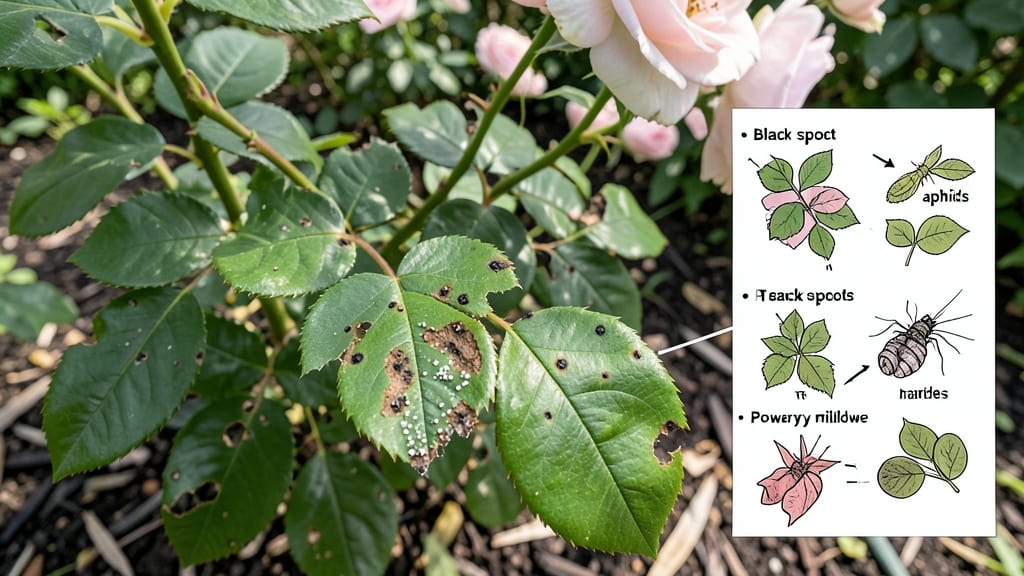
Your rose bush leaf damage is screaming for help—but you can fix it fast 🌹. Black spots, holes, or yellowing? That’s not normal wear and tear. These are warning signs your bushes are fighting fungal infections, hungry pests, or environmental stress.
I’ve seen rose bushes go from sad to spectacular in just two weeks with the right moves. The first step is identifying the damage: Is it powdery white residue? Tiny webs between leaves? Or just random brown patches?
Each problem needs a different fix—like pruning out infected leaves or spraying neem oil for pests. The good news? Most issues respond quickly if you catch them early. By the end of this, your roses will be back to their glossy, healthy selves.
We’ll cover what’s wrong, why it’s happening, and exactly how to stop it—without harsh chemicals. Let’s get those bushes thriving again. Here’s the thing—most leaf damage isn’t your fault. Overwatering? Too much shade? Or maybe those aphids you’ve been ignoring?
I’ve made every mistake in the book, and the key is acting fast. Fungal diseases like black spot spread like wildfire if you wait, while pests like spider mites suck the life out of leaves in days.
The fix starts with cleanliness: Remove damaged leaves immediately, space plants for airflow, and water at the base—not the foliage. For pests, a strong spray of water or insecticidal soap works wonders. And if it’s a nutrient issue?
A balanced fertilizer gets them back on track in 10 days or less. Think this is too late? Not if you act now. Even severely damaged bushes can bounce back with the right care.
Prune out the worst spots, treat the root cause, and watch new growth emerge in 2-3 weeks. The secret is consistency—check your roses weekly, and you’ll catch problems before they spiral. Ready to save your bushes? We’ll tackle each issue step by step—no guesswork, just results.
Your roses deserve better than sad, spotted leaves. Let’s turn this around.
Why it happens
When your rose bush leaves start showing signs of distress—whether it’s holes, spots, discoloration, or wilting—it’s rarely a random act of nature. Instead, these symptoms usually point to specific environmental stressors, pests, or diseases at work.
Understanding the why behind the damage is the first step to restoring your roses to their full, lush glory. Below, we break down the most common culprits, their scientific triggers, and how they manifest in your plants.
🌡️ Extreme Temperature Stress
Roses are resilient, but they have their limits. Heatwaves, frost, or sudden temperature swings can shock your plant, leading to leaf curling, browning edges, or even scorched patches. The science behind this?
Extreme heat accelerates transpiration (water loss through leaves), while cold temperatures disrupt cellular metabolism, causing chilling injury—a condition where cell membranes break down, leading to necrosis (dead tissue).
- Heat stress: Leaves may develop sunburn, appearing bleached or crispy, especially on varieties with thin, light-colored foliage.
- Cold damage: Frost can cause leaves to turn black or develop a water-soaked appearance before wilting.
- Solution: Provide afternoon shade during heatwaves and use frost cloths in winter. Mulch helps regulate soil temperature.
💧 Water-Related Problems
🌊 Overwatering and Root Rot
While roses love consistent moisture, overwatering suffocates roots by depriving them of oxygen. This creates the perfect conditions for Phytophthora and other fungal pathogens, leading to root rot. The telltale signs?
Yellowing leaves, wilting despite moist soil, and a foul odor at the base of the plant. Scientifically, waterlogged roots can’t absorb nutrients, causing nutrient deficiency symptoms like chlorosis (yellowing between leaf veins).
🏜️ Underwatering and Drought Stress
On the flip side, drought stress forces roses to conserve water by dropping leaves or developing necrotic margins (brown, crispy edges). Prolonged dryness also weakens the plant’s immune system, making it vulnerable to pests. Look for leaves that feel leathery or cupped inward—a classic sign of dehydration.
- Solution: Water deeply 1–2 times per week (depending on climate) and improve drainage with organic matter like compost.
- Pro tip: Use a moisture meter to check soil conditions before watering.
🐛 Pests: The Silent Leaf Destroyers
Pests don’t just nibble—they inject toxins, spread disease, or physically destroy leaf tissue. Here’s how they do it:
| Pest | Damage Type | Scientific Mechanism |
|---|---|---|
| Aphids | Sticky residue ("honeydew"), curled or yellowed leaves | Pierce plant cells to feed on sap, injecting toxic saliva that distorts growth and spreads sooty mold (a fungal hitchhiker). |
| Japanese Beetles | Skeletonized leaves (chewed edges), defoliation | Adult beetles consume mesophyll cells (leaf tissue), leaving veins intact while destroying chlorophyll-producing cells. |
| Spider Mites | Fine webbing, stippled or bronze-colored leaves | Use stylets to pierce cells, sucking out chloroplasts and leaving silver or white speckling (a sign of cellular collapse). |
| Rose Slugs (Sawfly Larvae) | Ragged holes, frass (chewed leaf debris) | Larvae skeletonize leaves by consuming soft tissue between veins, often targeting new growth. |
Solution: Blast pests off with water, use insecticidal soap, or introduce natural predators like ladybugs or parasitic wasps.
🍄 Fungal and Bacterial Infections
Fungi and bacteria thrive in humid, stagnant conditions and exploit weak plants (like those stressed by poor watering or pruning). These pathogens don’t just damage leaves—they disrupt photosynthesis and nutrient transport, often leading to systemic decline.
🍃 Black Spot Disease
The most notorious rose enemy, Diplocarpon rosae, thrives in wet, shady conditions. It produces spores that land on leaves, germinating in 4–6 hours if moisture is present. The fungus penetrates leaf cuticles, blocking stomata (pores) and causing:
- Dark, circular lesions with yellow halos (a sign of cell death from toxin release).
- Premature leaf drop, weakening the plant’s ability to photosynthesize.
- Solution: Remove infected leaves immediately, space plants for airflow, and apply copper fungicide preventatively.
🔥 Powdery Mildew
This fungal infection (Erysiphe spp.) forms a white, powdery coating on leaves, reducing light absorption by up to 50%. It spreads via windborne spores and thrives in high humidity (60%+) with poor airflow. Microscopically, the fungus forms haustoria (root-like structures) to extract nutrients from living cells, causing:
- Yellowing, curled leaves.
- Stunted growth (due to photosynthetic inhibition).
- Solution: Prune for airflow, water at the base, and spray with neem oil or baking soda solution (1 tsp baking soda + 1 quart water + a drop of soap).
🌱 Nutrient Deficiencies or Toxicities
Leaves act as nutrient mirrors, revealing deficiencies or excesses through color changes. For example:
- Nitrogen deficiency: Pale green or yellow leaves (chlorosis) due to chlorophyll breakdown.
- Magnesium deficiency: Interveinal chlorosis (yellowing between veins) because magnesium is central to chlorophyll structure.
- Iron deficiency: Young leaves turn white or yellow because iron is immobile in plants (old leaves can’t redistribute it).
- Toxicities (e.g., too much salt or boron): Brown, crispy leaf edges from osmotic stress (cells lose water due to high solute concentrations).
Solution: Test soil pH (roses prefer 6.0–6.5) and amend with organic matter or chelated nutrients as needed.
Fix Rose Leaf Problems Fast
Now that you’ve identified the culprit behind your rose bush’s leaf damage, it’s time to take action! The right approach depends on the cause—whether it’s pests, disease, environmental stress, or poor care.
Below, we’ve mapped out practical, step-by-step solutions for each common issue, plus prevention tips to keep your roses thriving. Let’s get those leaves looking lush again! 🌿✨
If aphids, spider mites, or Japanese beetles are the culprits, act quickly before they spread.
🔥 Step 1: Isolate and Inspect
- Remove severely infested leaves (bag and toss them in the trash, not compost).
- Check the undersides of leaves and stems—pests love hiding there! 🕷️
🍳 Step 2: Blast Them Away (Non-Chemical First!)
- Spray with water: A strong stream from the hose can knock off aphids and beetles.
Do this in the early morning so leaves dry quickly. - Neem oil spray: Mix 1 tbsp neem oil + 1 tsp mild soap + 1 quart water. Spray both sides of leaves and stems.
Repeat every 5–7 days until pests vanish. 🌿💦 - Insecticidal soap: Follow package instructions (great for soft-bodied pests like aphids).
👨🍳 Step 3: Lure and Trap (For Beetles & Mites)
- Japanese beetle traps: Place traps far from your roses (they attract more beetles if too close!).
- Sticky traps: Hang yellow sticky traps near the bush to catch flying pests.
💡 Prevention Tips
- Encourage natural predators: Ladybugs, lacewings, and birds eat pests! Plant marigolds or dill nearby to attract them. 🐞
- Prune regularly: Remove dead or weak growth where pests hide.
- Avoid over-fertilizing: Too much nitrogen = softer leaves = pest buffet.
Black spot, powdery mildew, or rust? These fungi thrive in damp conditions—dry it out and treat it fast!
🔪 Step 1: Prune Like a Pro
- Cut off infected leaves/stems with sterilized pruners (wipe with rubbing alcohol between cuts). Dispose of clippings away from the garden. ⚰️🌱
- Remove fallen leaves from the base of the plant (they harbor spores).
🌡️ Step 2: Fungicide Treatment
- Baking soda spray: Mix 1 tsp baking soda + 1 tbsp oil + 1 quart water + a drop of soap. Spray every 7–10 days for black spot.
- Copper fungicide: Follow label instructions for powdery mildew or rust.
Reapply after rain. - Organic option: Milk spray (1 part milk to 9 parts water) can prevent powdery mildew.
✨ Step 3: Improve Airflow & Light
- Space plants 3–4 feet apart to reduce humidity.
- Water at the base (not overhead) and early in the day so leaves dry quickly. 💦☀️
🎯 Prevention Tips
- Avoid overhead watering (use drip irrigation or soaker hoses).
- Plant resistant varieties: Look for roses labeled "disease-resistant" (e.g., ‘Knock Out’ roses).
- Mulch properly: Use 2–3 inches of organic mulch (like shredded bark) to keep soil moist but not soggy.
Too much sun, heat, or drought? Your roses are screaming for help!
🌞 Step 1: Adjust Watering
- Deep watering: Water 1–2 inches per week (more in extreme heat). Use your finger to check soil moisture—top inch should be dry before watering again. 💧
- Morning watering: Wet leaves dry faster, reducing fungal risk.
🌡️ Step 2: Provide Shade & Protection
- Temporary shade cloth: If your roses are in scorching sun, drape 30–50% shade cloth for a few hours a day during heatwaves.
- Mulch heavily: 4–6 inches of mulch (straw or wood chips) keeps roots cool and moist.
🌱 Step 3: Boost Recovery
- Fertilize lightly: Use a balanced rose fertilizer (10-10-10) or fish emulsion to help stressed plants bounce back.
- Prune damaged foliage: Trim brown or crispy leaves to redirect energy to new growth.
💡 Prevention Tips
- Choose the right location: Most roses need 6+ hours of sun but appreciate afternoon shade in hot climates.
- Group roses together: Creates a microclimate with more stable humidity.
- Windbreaks: Plant a hedge or fence to shield roses from drying winds.
Too much fertilizer, herbicide drift, or salt buildup? Your roses need a detox!
💦 Step 1: Flush the Soil
- Water deeply for 10–15 minutes to leach out excess salts or chemicals.
- Add compost: Mix 2–3 inches of compost into the top 6 inches of soil to improve structure.
🌱 Step 2: Adjust Care
- Test your soil: Use a DIY soil test kit to check pH (roses prefer 6.0–6.5).
Adjust with lime (to raise pH) or sulfur (to lower pH). - Fertilize gently: Switch to a low-nitrogen, organic fertilizer (like worm castings) to avoid burning roots.
🔄 Step 3: Monitor & Wait
- Stop fertilizing for 4–6 weeks to let the plant recover.
- Watch for new growth: Healthy leaves should emerge within 2–4 weeks.
🎯 Prevention Tips
- Follow label instructions for fertilizers and pesticides—never exceed recommended amounts.
- Avoid herbicides near roses: Drift can kill them!
Use vinegar or corn gluten for weeds instead. - Rainwater is best: If using tap water, let it sit out for 24 hours to off-gas chlorine.
- Prune in stages: Don’t trim all at once—space it out over 2–3 weeks to reduce stress.
- Rotate treatments: If using fungicides/pesticides, switch types every few weeks to prevent resistance.
- Inspect weekly: 10-minute checks catch problems before they spiral. 🕵️♂️
With these fixes, your rose bush should bounce back stronger in 2–4 weeks. Keep an eye on it, adjust as needed, and soon you’ll have vibrant, pest-free foliage—and maybe even more blooms! 🌹💪
Frequently asked questions
Why do my rose leaves have holes but no other damage?
Those holes are likely from rose slugs (sawfly larvae) or Japanese beetles. These pests chew between leaf veins, creating ragged edges. Check the undersides of leaves for tiny green larvae or beetles. A strong water spray or neem oil will send them packing in 3-5 days.
My rose leaves are turning yellow with black spots—what's wrong?
That's classic black spot disease, caused by the fungus Diplocarpon rosae. Remove infected leaves immediately and space your bushes for better airflow. Spray with a baking soda solution (1 tsp baking soda + 1 quart water) every 7-10 days until new growth appears. This spreads fast in wet conditions!
Can I still save my roses if half the leaves are damaged?
Prune out 70% of the damaged foliage to redirect energy to healthy growth. Focus on removing leaves with fungal spots or pest webs first. With proper care—like deep watering and morning sunlight—your roses can recover in 4-6 weeks and even produce more blooms afterward.
How often should I check my roses for leaf damage?
Do a quick 10-minute inspection every 7-10 days, especially after rain or when new growth appears. Early detection is key—catching pests or diseases before they spread saves hours of cleanup later. Keep a small notebook to track which leaves show problems first.
Will my roses grow back if I cut all the damaged leaves?
Yes, but don't remove more than 30% of foliage at once. Healthy stems can produce new leaves in 2-3 weeks if the roots are strong. Focus on pruning only the worst damaged leaves and give your bushes extra water and balanced fertilizer to support recovery. Think of it like a haircut—trim the dead ends!