
Pruning
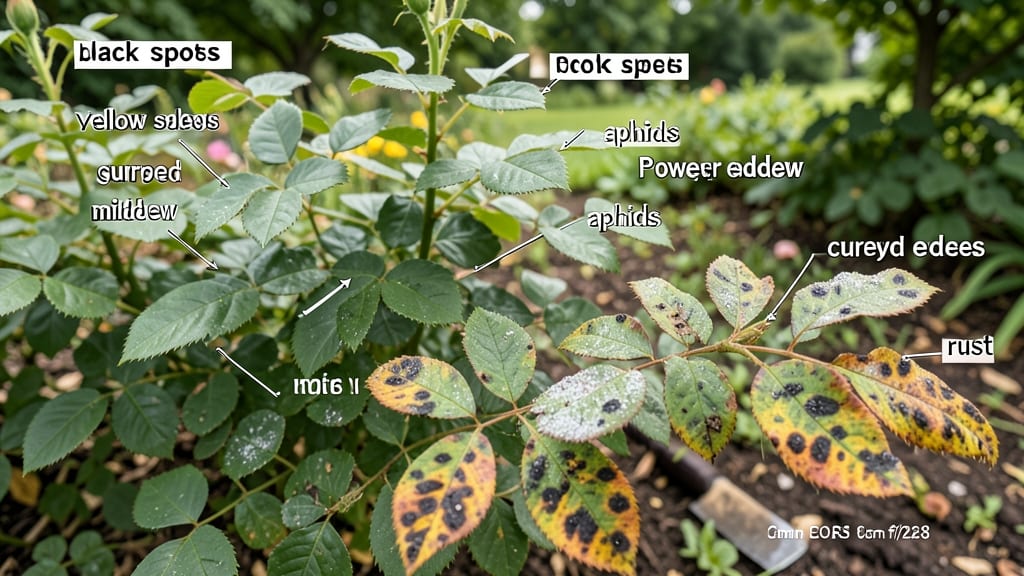
What’s wrong with my rose bush?—I’ve seen every SOS signal it sends, and here’s how to decode them. 🌹 Yellow leaves, black spots, or wilted stems? These five diseases strike fast, but you can diagnose and fix them before they ruin your blooms. The key is matching symptoms to solutions within days, not weeks.
Black spot shows up as dark, circular marks on leaves, while powdery mildew leaves a white, floury coating. Overwatering causes yellowing leaves and mushy stems, while aphids cluster like tiny green bugs on new growth. Each problem has a specific fix—from pruning to fungicide—that stops the spread in its tracks.
You’ll save your bush by acting fast: clean up fallen leaves, adjust watering, and apply the right treatment. Within 2-3 weeks, you’ll see fresh, healthy foliage pushing out—and those blooms will be back in full force.
Works for hybrid teas, floribundas, and even old garden roses. Let’s turn those sad stems into a thriving bush again—here’s exactly how.
Root Causes Behind Rose Woes
When your rose bush starts looking less-than-thriving, the issue often traces back to a mix of environmental stressors, pests, or underlying health problems. Understanding why these issues arise is the first step to restoring your roses to their full, fragrant glory.
Let’s break down the most common culprits—backed by science—and why they wreak havoc on your plants.
Roses are not water-loving soggy-bottom plants—despite their lush appearance. Overwatering or compacted, poorly draining soil can lead to a host of problems, including:
- Root rot: Fungal pathogens like Phytophthora thrive in waterlogged conditions, suffocating roots and cutting off nutrient uptake. Symptoms: Wilting, yellowing leaves, and a foul smell from the soil.
- Nutrient leaching: Excess water washes away essential minerals (e.g., nitrogen, phosphorus) before roots can absorb them, leading to stunted growth or pale foliage.
- Oxygen deprivation: Roots need aeration to breathe. Compacted clay soil or mulch piled too high around the base traps moisture, starving roots of oxygen.
Why it happens: Heavy rainfall, overzealous watering, or planting in low-lying areas where water pools are the usual suspects. Pro tip: 💡 Test your soil’s drainage by digging a hole, filling it with water, and timing how long it takes to drain—ideal is 30–60 minutes.
Roses basking in full sun can develop sun scorch—a condition where leaves crisp, brown, or curl at the edges, especially in hot, dry climates. This isn’t just cosmetic; it weakens the plant’s ability to photosynthesize.
- Leaf damage: Direct UV exposure breaks down cell membranes, causing necrosis (dead tissue) on leaf surfaces. Symptoms: White or grayish patches, papery texture, or leaf drop.
- Bud blast: Heat above 90°F (32°C) can cause buds to abort before opening, leaving you with sparse blooms.
Why it happens: Sudden heatwaves, reflective surfaces (like pavement or white walls), or young, tender canes not yet acclimated to intense sunlight. Pro tip: 🌡️ Provide afternoon shade (3–4 PM) for roses in Zone 7+ or use shade cloth (30–50%) during peak heat.
Pests don’t just nibble—they inject toxins, spread diseases, or sap nutrients, leaving roses looking ragged. Here’s how they strike:
| Pest | Damage Mechanism | Tell-Tale Signs |
|---|---|---|
| Aphids | Pierce leaves/buds to feed on sap, excreting honeydew (a sticky sugar solution) that fosters sooty mold. | Curled leaves, black fungal growth, stunted shoots. |
| Spider mites | Use stylets to puncture cells, causing plasmolysis (cell dehydration) and yellow stippling. | Fine webbing on undersides, bronze-colored leaves. |
| Japanese beetles | Chewing leaves skeletonizes them (eats tissue between veins), and their larvae devour roots. | Swiss-cheese leaves, wilting, sudden dieback. |
Why it happens: Pests thrive in drought stress (weakened plants = easy meals) or monoculture gardens (no natural predators). Pro tip: ✨ Introduce ladybugs or predatory mites for biological control, or blast pests off with water in the early morning.
Fungi are the silent saboteurs of rose health, flourishing in humid conditions and spreading via spores. Two of the worst offenders:
- Black spot (Diplocarpon rosae):
- Spores land on leaves, germinate in wet foliage (48+ hours of leaf wetness), and create lesions that block photosynthesis.
- Symptoms: Dark, circular spots with yellow halos; severe cases cause defoliation.
- Powdery mildew (Erysiphe spp.):
- Forms a white, powdery coating on leaves, suffocating stomata (pores) and reducing gas exchange.
- Symptoms: Grayish leaves, distorted new growth, and weakened stems.
Why it happens: Poor air circulation (crowded plants), overhead watering, or high humidity (>75%) create the perfect fungal buffet. Pro tip: 🎯 Space roses 3–4 feet apart, water at the base, and prune for airflow—fungi hate dry conditions.
Roses are heavy feeders, and when soil lacks key nutrients, they show it fast. Here’s what’s missing—and how to spot it:
| Deficiency | Visual Clues | Root Cause |
|---|---|---|
| Nitrogen (N) | Pale green or yellow leaves (starting with older ones), stunted growth. | Over-pruning, leached soil, or lack of organic matter. |
| Phosphorus (P) | Dark green leaves, purple stems, delayed flowering. | Cold or compacted soil locks out phosphorus. |
| Potassium (K) | Yellowing leaf edges (scorching), weak stems, poor disease resistance. | Excessive sodium or over-fertilizing with nitrogen. |
| Magnesium (Mg) | Interveinal chlorosis (yellowing between veins), especially on older leaves. | High soil pH (>7.0) or clay soil binds magnesium. |
Why it happens: Soil tests reveal the truth—many gardens are chronically deficient in micronutrients like iron or zinc due to erosion or synthetic fertilizer overuse. Pro tip: 💪 Amend soil with compost or use chelated nutrients (like Epsom salt for magnesium) for quick fixes.
Fixing Your Rose Bush Step By Step
Now that you’ve identified the issue plaguing your rose bush, it’s time to roll up your sleeves and get to work! 🌹✨ Below are practical, step-by-step solutions for the most common problems—plus tips to keep your roses thriving long-term.
Fix:
- Prune infected leaves 🔪 – Snip off any black or yellowed spots immediately, then dispose of them in the trash (not compost).
- Apply fungicide 🛡️ – Use a copper-based or sulfur fungicide (like Bonide Copper Fungicide) every 7–10 days until new growth appears.
- Improve airflow 🌬️ – Thin out dense foliage and space plants 3–4 feet apart to reduce humidity.
- Water at the base 💦 – Avoid overhead watering; wet leaves encourage fungus. Water early in the day so foliage dries quickly.
Prevention:
- 💡 Spray preventatively in spring and fall with a neem oil solution (1 tsp neem oil + 1 tsp mild soap per quart of water).
- 🌡️ Mulch properly – Use 2–3 inches of organic mulch (like wood chips) to keep soil moist but not soggy.
Fix:
- Blast them off 💦 – Spray roses with a strong stream of water to dislodge aphids and mites.
- Use insecticidal soap 🧼 – Mix 1.5 tbsp mild castile soap + 1 quart water, spray directly on pests (test on a small area first).
- Introduce beneficial insects 🐞 – Ladybugs and lacewings love eating aphids. Buy them online or attract them with dill or fennel plants.
- Neem oil spray 🌿 – Apply neem oil (2 tbsp per gallon of water + a drop of dish soap) every 5–7 days until pests vanish.
Prevention:
- 🎯 Inspect new plants before bringing them home—quarantine for 2 weeks if possible.
- 🌿 Plant companion flowers like marigolds or nasturtiums to repel pests naturally.
Fix:
- Check the soil 🏺 – If compacted, loosen the top 6 inches with a garden fork and mix in compost or peat moss.
- Adjust watering 💧 –
- Overwatered? Let soil dry 1–2 inches deep before watering again.
- Underwatered? Water deeply 1–2 times per week (more in extreme heat).
- Fertilize properly 🌱 – Use a balanced rose fertilizer (10-10-10) in early spring and mid-summer, or a slow-release organic fertilizer like alfalfa meal.
- Test soil pH 📊 – Roses prefer 6.0–6.5 pH. If too alkaline, add sulfur or peat moss; if too acidic, use lime.
Prevention:
- ✨ Mulch heavily (3–4 inches) to retain moisture and regulate soil temp.
- 💪 Avoid over-fertilizing—too much nitrogen causes weak growth and disease susceptibility.
Fix:
- Provide afternoon shade 🌞 – Use lightweight shade cloth (30–50%) or plant near a trellis with morning sun.
- Mulch deeply 🌿 – 4–6 inches of mulch keeps roots cool and moist.
- Water deeply & frequently 💦 – Soak the root zone (not just the leaves) every morning during heatwaves.
- Prune for airflow 🌬️ – Remove overlapping branches to prevent trapped heat.
Prevention:
- 🌱 Choose heat-tolerant varieties like ‘Knock Out’ roses or ‘Dr. Huey’.
- 🔥 Avoid pruning in peak heat—do it early morning or late evening.
Fix (if already damaged):
- Prune dead wood ❄️ – Cut back blackened or mushy canes in early spring (after last frost).
- Apply compost tea 🌱 – Brew compost tea (1 part compost to 5 parts water, steep 24–48 hrs) to boost root recovery.
- Mulch heavily 🍂 – Pile 6–12 inches of straw or leaves around the base after the ground freezes.
Prevention:
- 💡 Cover young roses with burlap or frost cloth before the first hard freeze.
- 🌡️ Avoid late-season fertilizing—it encourages new growth that can’t survive winter.
Final Tip: 🌟 Stay consistent! Roses reward patience—check them weekly for early signs of trouble, and your bush will bounce back stronger than ever. Happy gardening! 🌹💚
Frequently asked questions
Why are my rose bush leaves turning yellow?
Yellow leaves usually signal overwatering, nutrient deficiencies, or poor drainage. Check if the soil stays soggy for days—roses prefer soil that dries slightly between waterings. Yellowing with dark green veins often means magnesium deficiency (try Epsom salt), while yellowing at leaf edges suggests potassium issues. Test your soil pH too—roses thrive at 6.0-6.5.
What do black spots on rose leaves mean?
Those dark circles with yellow halos are black spot fungus, a common rose disease. Remove infected leaves immediately and apply copper fungicide every 7-10 days. Space plants 3-4 feet apart for better airflow, and water at the base (never overhead) to prevent spores from spreading. Clean up fallen leaves in autumn.
How do I know if my rose bush has pests?
Look for tiny green clusters (aphids), fine webs (spider mites), or chewed leaves (Japanese beetles). Examine leaf undersides and new growth closely. For aphids, blast them off with water or use insecticidal soap. Spider mites need neem oil, while Japanese beetles respond to handpicking or milky spore treatment. Check both sides of leaves—pests love hiding!
Can I save my rose bush if it's completely wilted?
Not necessarily—wilting can mean root rot from overwatering or severe pest/disease damage. First, check the soil: if it smells foul or feels mushy, you've got root rot. Prune back dead canes and improve drainage by amending soil with compost. For healthy roots, water only when the top 1-2 inches of soil are dry. If the bush is beyond saving, start fresh with disease-resistant varieties.
How often should I fertilize my rose bush?
Feed roses 4-6 times per year with a balanced fertilizer (10-10-10). Apply in early spring, mid-summer, and again in early autumn. Avoid high-nitrogen fertilizers late in the season—they encourage tender new growth that won't survive winter. Organic options like alfalfa meal or fish emulsion work well too. Always water before and after applying fertilizer.