
Pests and Diseases
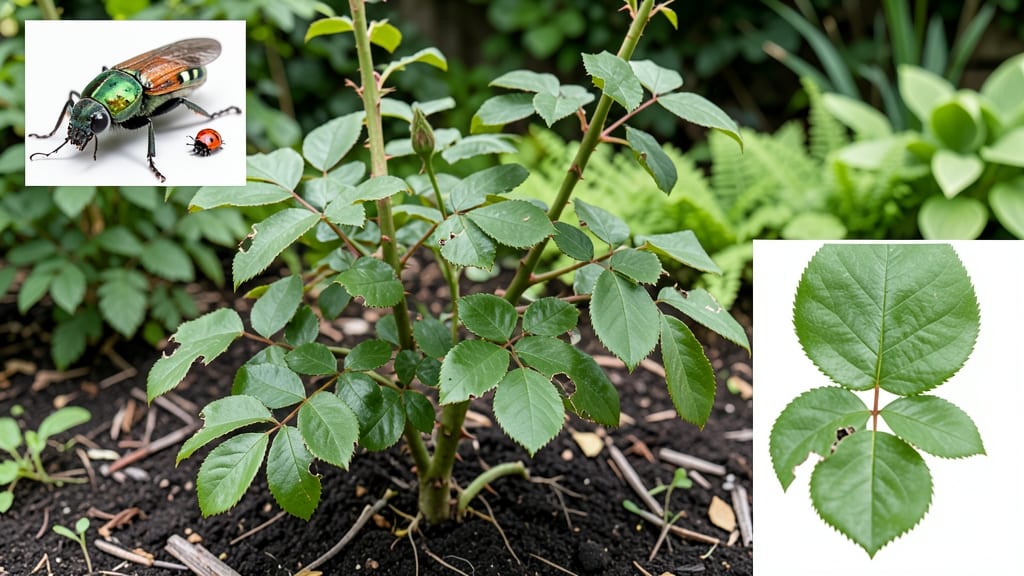
Your rose bush leaves have holes in them—don’t panic, this is fixable. 🌿 The most common culprit is tiny caterpillars (like sawfly larvae) munching away, but it could also be lacewings, slugs, or even environmental stress.
I’ve dealt with this mess before, and I’ll walk you through exactly how to identify the problem and stop it in its tracks.
The first step is to inspect your leaves closely—check the undersides for tiny green or black larvae, webbing, or chewed edges. Sawflies leave jagged holes, while lacewings create delicate lace-like damage.
If you see slimy trails, slugs are likely the culprits. Once you know what’s eating your roses, you can tackle it with organic sprays like neem oil or insecticidal soap.
By the end of these 3 simple steps, your roses will be on the mend, and you’ll have a plan to keep them safe all season.
The key is acting fast—most damage happens overnight, so don’t wait to check those leaves. I’ll show you how to protect your bushes naturally, without harsh chemicals.
Whether you’re dealing with a small infestation or a full-blown attack, this method works for all rose varieties. Let’s get those leaves looking healthy again—your roses will thank you with bigger, brighter blooms by summer.
Hidden Culprits Behind Leaf Holes
When your rose bush leaves start looking like Swiss cheese, the damage is rarely random—it’s a sign of tiny, hungry invaders or unseen stressors at work. Understanding why those holes appear is the first step to protecting your prized roses.
Below, we break down the most common causes, from sneaky pests to environmental factors, with clear explanations and actionable insights.
Most holey leaves are a direct result of insects feasting on your roses. These pests don’t just nibble—they create jagged, irregular holes or skeletonize leaves entirely. Here’s who’s likely to blame:
🐛 Caterpillars: The Silent Destroyers
Caterpillars from moths (like the Rose Slug or Tortrix Moth) are notorious for turning rose leaves into lace. They chew from the edges inward, leaving behind:
- Irregular, ragged holes (not clean cuts).
- Frass (insect droppings) clinging to leaves.
- Silken webbing on buds or leaves (a telltale sign of Rose Slug larvae).
Why it happens: Caterpillars thrive in warm, humid conditions and often go unnoticed until damage is visible. They target young, tender leaves first, which are easier to digest.
🐞 Japanese Beetles: The Gluttonous Invaders
Adult Japanese beetles (Popillia japonica) are voracious eaters, skeletonizing leaves in days. Look for:
- Small, round holes with a "windowpane" effect (veins remain intact).
- Beetles with metallic green heads and copper wings feeding in groups.
- Damage on upper leaf surfaces (they avoid chewing through veins).
Why it happens: These beetles are attracted to roses’ sweet sap and reproduce in massive numbers. They’re most active in late June through August, making them a seasonal nuisance.
🐜 Rose Leaf Roller: The Webbed Menace
Larvae of the Rose Leaf Roller moth tie leaves together with silk, then burrow inside to feed. Signs include:
- Curled or rolled leaves with holes inside.
- Brown, sawdust-like frass inside the rolled leaves.
- Stunted growth if severe infestations occur.
Why it happens: These larvae prefer young, unfolding leaves, which provide easy access to nutrients. They’re most active in spring and fall.
While pests are the usual suspects, fungal diseases can also cause holes or dieback in rose leaves, often mimicking insect damage. Here’s how to tell them apart:
🍄 Black Spot: The Leaf Spot That Lies
Diplocarpon rosae, the fungus behind black spot, creates:
- Dark purple or black spots with yellow halos (often with holes in the center as spots expand).
- Premature leaf drop if untreated.
- No visible pests (unlike chewing damage).
Why it happens: This fungus thrives in humid, wet conditions and spreads via water splashes or infected tools. It weakens leaves, making them more susceptible to tearing or further pest attacks.
🍄 Powdery Mildew: The White Web of Doom
While powdery mildew (Sphaerotheca pannosa) typically covers leaves in white powder, severe infections can cause:
- Yellow or brown patches that may develop holes as leaves dry out.
- Stunted, distorted new growth.
- No frass or webbing (key difference from pests).
Why it happens: This fungus loves poor air circulation and high humidity. It doesn’t kill leaves outright but stresses them, making them easier targets for pests.
Not all holey leaves are caused by living organisms. Sometimes, your roses are collateral damage from environmental factors:
🔥 Heat Stress and Sun Scorch
Intense sunlight or heat waves can cause:
- Dry, crispy edges that may tear into holes.
- Bleached or white patches on leaf surfaces.
- Damage on leaves exposed to direct sun (e.g., south-facing sides).
Why it happens: Roses left underwatered or without afternoon shade in hot climates develop sun scorch. Cells dry out, become brittle, and tear easily—even from wind.
💧 Overwatering and Root Rot
While underwatering causes wilting, overwatering leads to:
- Yellowing leaves with brown, mushy holes (from fungal root rot).
- Stunted growth and weak stems.
- Musty soil smell when dug up.
Why it happens: Waterlogged soil cuts off oxygen to roots, causing Phytophthora or Pythium fungi to thrive. Weakened leaves become prone to tearing or pest attacks.
Pro Tip: 🔍 Before treating, inspect leaves closely! Flip them over to check for eggs, larvae, or webbing. Use a magnifying glass if needed—some pests (like Rose Slug eggs) are microscopic.
Fixing Hole-Riddled Rose Leaves
Now that you’ve identified the culprit—likely hungry caterpillars or other chewing pests—it’s time to take action! Here’s a step-by-step guide to rescue your rose bush and keep those pesky critters from turning your leaves into Swiss cheese again.
Before reaching for chemicals, get hands-on! Caterpillars and larvae are often easy to spot, especially on the undersides of leaves or in flower buds.
How to do it:
- 👨🍳 Pick them off one by one using gloves (to avoid skin irritation from rose thorns or sap).
- 🥘 Drop them in soapy water—a mix of water and a few drops of dish soap will dispatch them instantly.
- 🔪 Check flower buds and new growth—these are prime hiding spots for eggs and young larvae.
Pro tip: 💡 Do this in the early morning when pests are sluggish and easier to catch.
If manual removal isn’t enough, eco-friendly solutions can save your roses without harming bees or beneficial insects.
🌿 Option 1: Neem Oil Spray (Best for Prevention & Treatment)
Neem oil disrupts caterpillar feeding and reproduction while being pet- and bee-friendly when used correctly.
How to make it:
- Mix 1 tbsp neem oil + 1 tsp mild liquid soap + 1 quart of water in a spray bottle.
- 🌡️ Apply in the evening (to avoid harming bees) and reapply every 5–7 days until pests are gone.
- ✨ Cover the soil with mulch to prevent reinfestation from eggs laid underground.
🐛 Option 2: Bacillus Thuringiensis (BT) (Targeted & Organic)
BT is a natural bacteria that kills caterpillars when ingested but is harmless to humans, pets, and other wildlife.
How to use it:
- Sprinkle BT powder over leaves or mix it with water for a spray.
- 🎯 Apply when caterpillars are small—it works best before they become large and resistant.
- 🔥 Reapply after rain (BT washes away quickly).
🍎 Option 3: Companion Planting (Long-Term Defense)
Plant marigolds, garlic, or chives near your roses—their strong scents repel chewing pests naturally.
If caterpillars are overwhelming your roses, you may need a stronger but selective approach.
🌿 Pyrethrin-Based Sprays (Fast-Kill, Short-Lived)
- How it works: Derived from chrysanthemums, it paralyzes and kills caterpillars on contact.
- ⏰ Best for emergencies—reapply every 3–5 days (it breaks down quickly in sunlight).
- ⚠️ Warning: Avoid spraying when bees are active (early morning or late evening).
💪 Chemical Insecticides (Use Sparingly)
If organic methods fail, pyrethroids or carbaryl (like Sevin) can work—but they’re not selective and may harm beneficial insects.
How to minimize harm:
- 🎯 Apply at dusk when pollinators are less active.
- 🌿 Follow label instructions precisely—overuse can lead to resistance.
- 🔄 Rotate methods to prevent pests from adapting.
Once your roses are healthy again, prevent future damage with these easy habits:
- 🌱 Prune regularly—remove damaged leaves and spent blooms to eliminate hiding spots. - 🌿 Mulch heavily—a 3-inch layer of organic mulch (like wood chips) deters egg-laying pests. - 🕵️ Monitor weekly—check undersides of leaves and buds for early signs of eggs or larvae. - 🐝 Support beneficial insects—ladybugs, lacewings, and parasitic wasps eat caterpillars naturally.
Plant dill, fennel, or yarrow to attract them. - 🌞 Water in the morning—wet leaves dry faster, reducing fungal risks and making roses less appealing to pests.
Final Thought: 🌸 With a little consistent care, your rose bush will bounce back—and those pesky holes will become a thing of the past! Start with manual removal and neem oil, then reinforce with preventive measures for long-term success. Happy gardening!
Frequently asked questions
Why do rose bush leaves get holes overnight?
Most likely, caterpillars or sawfly larvae are the culprits! These tiny pests chew through leaves quickly, especially at night when they're most active. Look for frass (insect droppings) or webbing on the undersides of leaves to confirm. Japanese beetles also work fast, creating signature "windowpane" holes where only veins remain.
Can I save my rose bush if most leaves are already full of holes?
Yes, but act fast! Prune heavily damaged leaves to redirect the plant's energy to new growth. Focus on treating the root cause (pests or disease) with neem oil or BT spray. Healthy roses can regrow leaves quickly, especially if you maintain proper watering and fertilization. Severe cases may need chemical intervention as a last resort.
How do I tell if holes are from pests vs. disease?
Check for these clues: Pests leave irregular edges, frass, or webbing, while diseases like black spot create dark spots with yellow halos and no visible insects. Flip leaves over—pests hide there! Environmental damage (like sun scorch) causes dry, crispy edges without holes or frass.
Will commercial rose sprays prevent holes in leaves?
Some help, but many contain harsh chemicals that harm beneficial insects. For better results, use neem oil or BT spray (Bacillus thuringiensis) which target caterpillars specifically. Apply preventatively every 2-3 weeks during peak pest seasons (spring/fall). Always spray in the evening to protect pollinators.
How long until my rose bush looks normal again after treatment?
With proper care, you'll see improvement in 1-2 weeks! New leaves will emerge within 7-10 days if you've eliminated the pests and maintained good growing conditions. Severe cases may take 3-4 weeks to fully recover. Keep monitoring for new damage and continue preventive sprays until the threat season passes.