
Pests and Diseases
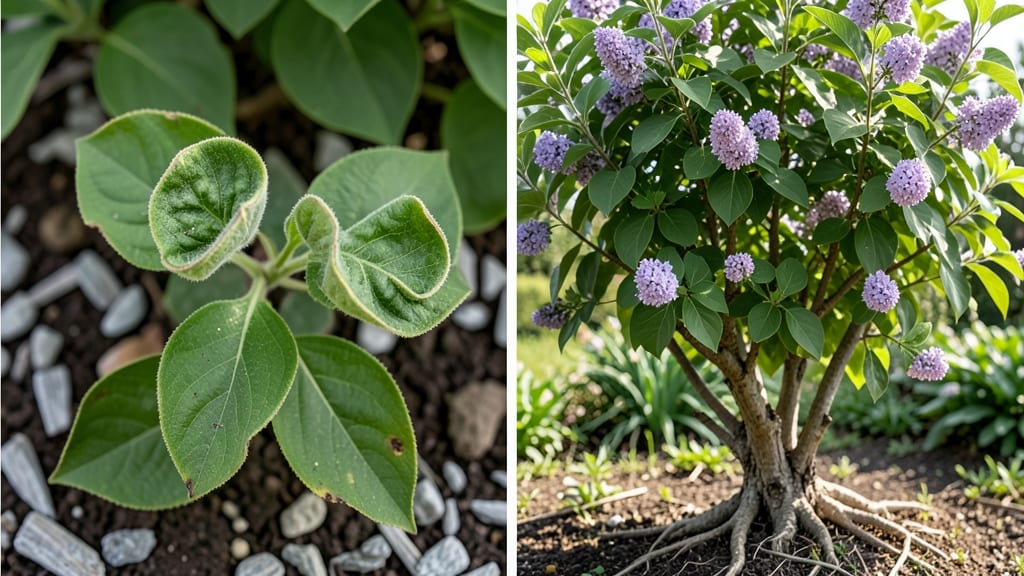
Lilac bush leaves curling can turn your fragrant spring blooms into a sad, crinkly mess—fast. 🌿 I’ve seen it ruin entire bushes in just a few weeks, but the good news? Most cases have simple fixes that work in days, not seasons.
The key is figuring out whether your lilacs are begging for water, fighting off pests, or suffering from a hidden nutrient problem.
Start by checking the undersides of leaves for tiny webs (spider mites) or sticky residue (aphids). If the soil feels bone-dry or cracked, drought stress is likely—lilacs hate inconsistent moisture. Yellowing leaves with curled edges?
That’s often a sign of magnesium deficiency, which shows up even when soil tests look fine. Grab a small trowel and dig about 2 inches deep—if the roots look dry or the soil smells sour, you’ve found your culprit.
Here’s the game-changer: prune affected branches back by ⅓ to encourage new growth, then treat with neem oil spray (for pests) or Epsom salt solution (for nutrient issues). Within 7-10 days, you’ll see leaves unfurl and regain their glossy sheen.
The secret? Act fast—once curling spreads, recovery takes longer. I’ve revived bushes that looked dead in just two treatments.
Prevent future problems by mulching heavily (3-4 inches) to retain moisture and watering deeply once a week instead of light daily sprinkles. Lilacs are tough, but they’ll reward you with vibrant blooms and lush foliage if you address curling early.
Trust me—your neighbors will ask how you keep yours looking so healthy.
Understanding Leaf Curling Triggers
If your lilac bush leaves are curling like a crinkled piece of paper, don’t panic—there’s usually a logical explanation behind it! 🌿🔍 Understanding the root causes helps you address the issue before it worsens.
Below, we break down the most common reasons why lilac leaves curl, from environmental stressors to hidden pests, so you can take targeted action.
Lilacs are hardy plants, but sudden shifts in temperature—whether from scorching heat or a late frost—can shock them into curling leaves. When temperatures swing more than 10°F in a single day, the plant’s cells struggle to regulate moisture and nutrients, leading to cupping or twisting.
🔹 Signs:
- Leaves curl upward or downward along the edges
- Wilting or drooping in extreme heat
- Brown or crispy leaf tips after a cold snap
💡 What to do:
- Provide afternoon shade during heatwaves (use shade cloth if needed)
- Mulch the base to insulate roots from temperature swings
- Avoid planting lilacs in exposed areas prone to frost pockets
Lilacs despise soggy roots and drought stress. Both conditions force leaves to curl as a survival mechanism—either to conserve moisture (underwatering) or to reduce transpiration (overwatering). Poor drainage or compacted soil worsens the issue by suffocating roots.
🔹 Signs:
- Leaves curl inward and feel dry/brittle (underwatering)
- Yellowing leaves with curled edges (overwatering or root rot)
- Wilting despite moist soil (compaction or poor drainage)
💡 What to do:
- Water deeply 1-2 times per week (1 inch total), adjusting for clay/ sandy soil
- Improve drainage by amending soil with compost or perlite
- Avoid overhead watering to prevent fungal diseases that mimic stress
Tiny invaders like aphids, spider mites, or sawfly larvae suck sap from lilac leaves, causing them to curl, pucker, or distort. These pests excrete sticky honeydew, which can attract sooty mold—another stressor for your plant.
🔹 Signs:
- Sticky residue on leaves (honeydew)
- Visible webbing (spider mites) or tiny black bugs (aphids)
- Chewed edges or skeletonized leaves (sawfly larvae)
💡 What to do:
- Blast pests off with a strong spray of water (early morning)
- Apply neem oil or insecticidal soap (follow label rates)
- Encourage natural predators like ladybugs with companion plants (e.g., marigolds)
Lilacs prefer lean soil, but imbalances—especially nitrogen excess or potassium/magnesium shortages—can trigger curling. Too much fertilizer burns roots, while deficiencies stunt growth and cause leaf distortion.
🔹 Signs:
- Yellowing between leaf veins (magnesium deficiency)
- Purple-tinged undersides (phosphorus deficiency)
- Dark green, leathery leaves (nitrogen overload)
💡 What to do:
- Test soil pH (ideal: 6.0–7.0) and amend with lime if acidic
- Use a balanced 10-10-10 fertilizer in early spring (avoid summer feeding)
- Add Epsom salt (1 tbsp/gallon water) for magnesium if leaves yellow
Pathogens like powdery mildew, anthracnose, or bacterial leaf spot thrive in humid conditions, causing leaves to curl, spot, or develop unsightly growths. Fungal infections often appear as white powdery patches, while bacterial issues create water-soaked lesions.
🔹 Signs:
- White fuzzy coating (powdery mildew)
- Dark spots with yellow halos (anthracnose)
- Oozing lesions (bacterial infection)
💡 What to do:
- Prune infected branches below the damage and dispose of them
- Apply copper fungicide or baking soda spray (1 tsp baking soda + 1 quart water + drop of soap)
- Space plants for airflow and water at the base (not overhead)
🎯 Pro Tip: Keep a garden journal to track when curling starts—this helps pinpoint whether the issue is environmental (e.g., after a heatwave) or biological (e.g., after seeing pests). Most cases resolve with one targeted fix, but severe infections may require repeated treatments!
Fixing Your Lilac’s Crinkled Leaves
If your lilac bush is sporting curled, puckered, or distorted leaves, don’t panic—most causes have simple fixes. Below, we’ll break down the most common reasons for leaf curling and provide step-by-step solutions to restore your bush to its healthy, lush self. Plus, we’ll share prevention tips to keep future problems at bay.
When lilac bushes sit in soggy soil, their roots suffocate, leading to stress and curled leaves. This is especially common in clay-heavy or compacted soil.
How to Fix It:
💧 Step 1: Check the Soil Moisture
- Stick your finger 2 inches deep into the soil. If it feels damp or sticky, your bush is overwatered.
🌱 Step 2: Improve Drainage
- Amend the soil with compost or perlite (mix 2-3 inches into the topsoil) to loosen it up.
- If planting in a container, ensure pots have drainage holes and use a well-draining potting mix.
💦 Step 3: Adjust Watering Habits
- Water deeply but infrequently—aim for 1-1.5 inches per week, including rainfall.
- Water at the base of the plant (avoid wetting leaves to prevent fungal issues).
- Stop watering if the ground is already moist—lilacs hate "wet feet."
💡 Pro Tip: Mulch around the base (2-3 inches of organic mulch like wood chips) to retain moisture without suffocating roots.
Tiny pests like spider mites, aphids, and sawfly larvae love munching on lilac leaves, causing curling, discoloration, and even stunted growth.
How to Fix It:
🕷️ Step 1: Identify the Culprit
- Spider mites: Look for tiny webs on undersides of leaves and speckled yellowing.
- Aphids: Check for sticky residue (honeydew) and clustered green/black bugs.
- Sawfly larvae: Spot green, worm-like pests chewing leaves into a skeletonized mess.
🚿 Step 2: Blast Off Pests with Water
- Spray leaves thoroughly with a strong hose (especially undersides) to dislodge bugs.
- Repeat every 3-4 days for 2 weeks to break their life cycle.
🧴 Step 3: Use Natural or Chemical Controls
- Neem oil spray (mix 1 tbsp neem oil + 1 tsp mild soap + 1 quart water) – spray at dusk to avoid harming bees.
- Insecticidal soap (follow label instructions) for aphids.
- Bacillus thuringiensis (Bt) for sawfly larvae (safe for beneficial insects).
- Severe cases? Try pyrethrin-based sprays (use sparingly, as they kill beneficial insects too).
🌿 Step 4: Encourage Natural Predators
- Attract ladybugs, lacewings, and parasitic wasps by planting dill, marigolds, or yarrow nearby.
💡 Pro Tip: Prune and dispose of heavily infested leaves to stop the spread. Bag and trash them—don’t compost!
Lilacs are tough, but scorching sun + dry spells can cause leaves to curl as a protective measure (like wilting).
How to Fix It:
💧 Step 1: Water Deeply & Frequently
- During heatwaves (90°F+), water every 2-3 days at the base (not overhead).
- Morning watering is best—it reduces evaporation and fungal risks.
🌳 Step 2: Provide Temporary Shade
- If your lilac is in a hot, exposed spot, set up light shade cloth (30-50%) for a few weeks.
- Reflective mulch (like white gravel) can also reduce soil heat.
🌱 Step 3: Mulch to Retain Moisture
- Apply 2-3 inches of organic mulch (straw, wood chips) to keep roots cool and hydrated.
💡 Pro Tip: Avoid pruning during drought—stressed plants handle trimming poorly. Wait until after the heatwave passes.
Fungal infections thrive in humid, shady conditions, causing leaves to curl, yellow, and develop unsightly spots.
How to Fix It:
🍄 Step 1: Improve Air Circulation
- Prune back dense growth to allow sunlight and airflow.
- Space out plants if they’re crowded.
💦 Step 2: Water Correctly
- Water in the morning (avoid evening watering, which prolongs leaf wetness).
- Water at the base, not overhead.
🧼 Step 3: Apply Fungicidal Treatments
- Baking soda spray (1 tsp baking soda + 1 quart water + a drop of soap) – spray every 7-10 days.
- Copper fungicide (follow label instructions) for severe cases.
- Neem oil (also helps prevent fungal spores from germinating).
🌿 Step 4: Clean Up Debris
- Remove and destroy infected leaves (don’t compost them).
- Rake up fallen leaves around the base to reduce fungal spores.
💡 Pro Tip: Plant lilacs in full sun (they need 6+ hours of sunlight) to prevent fungal issues. Avoid overhead sprinklers—they promote disease.
While lilacs don’t need much fertilizer, over-fertilizing with high-nitrogen feeds can cause soft, curled leaves and weak growth.
How to Fix It:
🌿 Step 1: Test Your Soil
- Use a DIY soil test kit (available at garden centers) to check pH (6.0-7.0 is ideal) and nutrient levels.
🍄 Step 2: Balance the Fertilizer
- Stop nitrogen-heavy fertilizers (like lawn fertilizer) immediately.
- Switch to a balanced 10-10-10 or low-nitrogen fertilizer (like 5-10-10).
- Apply in early spring (just as buds swell) and avoid fall feeding.
💧 Step 3: Boost Organic Matter
- Add compost or well-rotted manure to improve soil structure and provide slow-release nutrients.
💡 Pro Tip: Lilacs are low-maintenance—they often don’t need fertilizer at all! Over-fertilizing is a common mistake.
Once you’ve fixed the issue, keep your lilac bush thriving with these long-term care tips:
✅ Prune at the Right Time
- Prune right after flowering (late spring/early summer) to avoid cutting off next year’s blooms.
✅ Choose the Right Location
- Full sun (6+ hours/day) + well-draining soil = happy lilacs.
- Avoid low-lying areas where water pools.
✅ Monitor Regularly
- Inspect leaves weekly for pests, disease, or stress signs.
- Act fast—early treatment is always easier!
✅ Mulch & Water Wisely
- 2-3 inches of mulch retains moisture and regulates soil temp.
- Deep watering (1-1.5 inches/week) is better than frequent shallow watering.
✅ Avoid Chemical Overuse
- Natural remedies (neem oil, insecticidal soap) work well for lilacs.
- Limit synthetic pesticides—they can harm beneficial insects.
With these fixes, your lilac bush should bounce back in 2-4 weeks, sporting smooth, vibrant leaves and abundant blooms next season. 🌸 If problems persist, consider replanting in a sunnier spot with better-draining soil
Frequently asked questions
Why are my lilac leaves curling upward instead of inward?
Upward curling often signals underwatering or heat stress. Lilacs conserve moisture by curling edges upward in dry conditions. Check soil 2 inches deep—if it's dry, water deeply at the base. For extreme heat (90°F+), provide afternoon shade with shade cloth until temperatures drop.
Can I use coffee grounds to fix curled lilac leaves?
Coffee grounds can help with magnesium deficiency (which causes yellowing between veins), but they’re not a cure-all for curling. Mix ½ cup used grounds into the top 2 inches of soil and water well. For pests or fungal issues, use targeted treatments like neem oil instead. Test soil pH first—lilacs prefer 6.0-7.0.
How do I tell if spider mites are causing my lilac leaves to curl?
Look for tiny webs on leaf undersides and speckled yellowing between veins. Hold a white sheet under the bush and shake—if tiny red/orange mites drop, that’s your culprit. Treat immediately with a neem oil spray (1 tbsp oil + 1 tsp soap per quart of water) applied at dusk. Repeat every 5-7 days for 2 weeks.
Will pruning help if my lilac leaves are already curled?
Yes! Prune 1/3 of the affected branches back to healthy growth just below curled leaves. This removes stressed foliage and encourages new, vibrant leaves. Sterilize pruners with rubbing alcohol between cuts to prevent spreading disease. Time pruning for late spring after flowering for best results.
Could my lilac bush be getting too much sun?
Unlikely—lilacs thrive in full sun (6+ hours/day)! Curling from too much sun usually shows as crispy edges or bleached spots. If leaves are dull green and curling downward, it’s more likely overwatering or poor drainage. Move the bush to a sunnier spot only if you see sunburn symptoms (brown patches) on leaves.