
Pruning
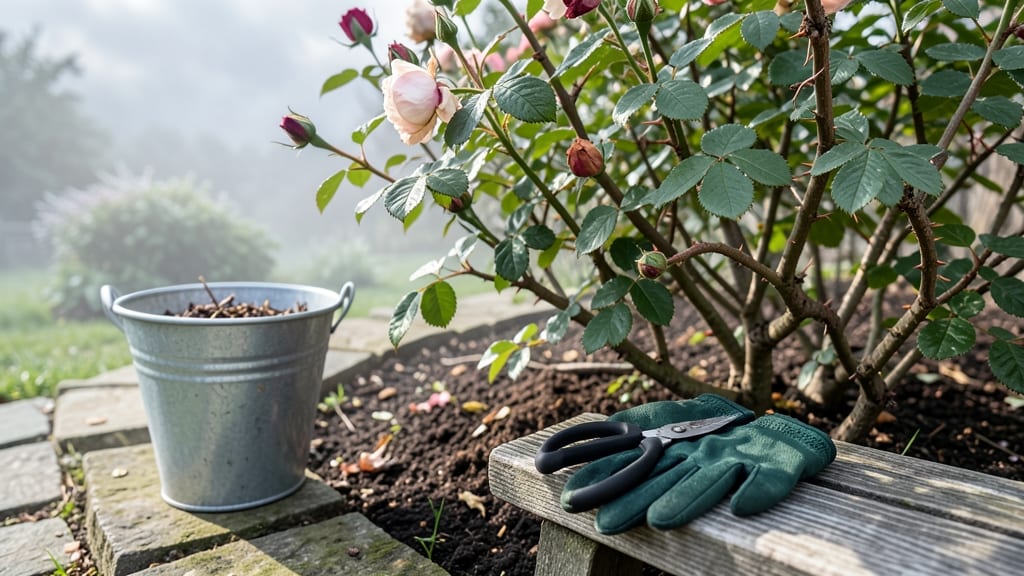
What time of year do you trim rose bushes for stronger blooms and healthier growth? The answer is late winter—when you prune at the wrong time, you risk stunting new shoots or inviting disease.
Picture this: You’ve just spent months admiring your 🌹 roses, only to watch them struggle after a hasty cut in early spring or fall. The difference between a thriving bush and a weak one often comes down to timing, especially in USDA Zone 6a where frost can complicate things.
Late winter pruning—just as buds begin to swell but before new growth starts—is the golden window for most roses. This timing removes dead wood, opens the plant for airflow, and sets the stage for vibrant spring blooms.
But regional climates can shift that window slightly, and some varieties need a different approach.
In this guide, I’ll break down the exact when, why, and how of rose pruning, including climate adjustments, tools to use, and the biggest mistakes to avoid—so you can trim with confidence and watch your roses flourish.
Best time of year to trim rose bushes for maximum bloom health
Timing your rose bush pruning correctly is the secret to vibrant blooms and healthy growth. Most gardeners make the mistake of pruning too early in spring or late in fall, which can stress the plant and invite disease.
The optimal time is actually late winter, when roses are dormant but before new growth begins. This scientific approach ensures your roses enter their growing season strong and ready to flourish.
Late winter pruning—typically between February and early March in most USDA zones 6-9—allows you to remove dead or weak canes while the plant conserves energy. Pruning too early exposes fresh cuts to late winter frosts, while waiting too long risks overcrowded canes that compete for nutrients.
The key is to prune just as buds begin to swell, signaling the plant’s readiness to reawaken from dormancy.
The dormant season (late winter) is ideal because it lets you shape the plant without triggering premature growth. Roses pruned at this time develop stronger canes and more abundant blooms because they’re not diverting energy to new leaves or flowers.
Early spring pruning, on the other hand, can delay flowering and leave cuts vulnerable to fungal infections like black spot.
Fall pruning is a common mistake—many gardeners think it’s time to clean up the garden before winter. However, pruning in fall removes food storage in the canes, leaving roses weak and susceptible to winter dieback.
The only exception is light shaping in mild climates (USDA zones 9-10) after the first frost, but this is not a full prune.
Your climate zone plays a critical role in timing. In colder zones (3-5), wait until after the last frost (usually late March or April) to prune, as early cuts can freeze and die.
In warmer zones (7-10), you can prune as early as January, but avoid pruning if buds are already swelling. Always check your local frost dates to avoid cutting too soon.
| Time of Year | Best For | Avoid If... | USDA Zones |
|---|---|---|---|
| Late Winter (Feb-March) | Maximum bloom health, shaping | Bud swell has started | 6-9 |
| Early Spring (April) | Light cleanup only | Frost risk remains | 3-5 |
| Fall (Oct-Nov) | Minimal shaping only | Before first frost | 9-10 |
| Summer (June-Aug) | Deadheading spent blooms | More than 1/3 of plant | All zones |
If you’re unsure when to prune, look for bud swell—the tiny green bumps on canes that signal new growth. Prune just before these buds break dormancy, typically 2-4 weeks before your last frost date.
For example, in USDA zone 7, prune in mid-February, while in zone 4, wait until late March.
Another critical factor is the type of rose you’re pruning. Hybrid teas and grandifloras need aggressive pruning to encourage large, single blooms, while climbing roses and shrub roses benefit from lighter cuts to maintain their natural shape.
Always research your specific rose variety for tailored advice, but the late winter rule applies universally.
After pruning, sanitize your tools with rubbing alcohol to prevent disease spread, and mulch around the base to protect roots from temperature fluctuations. Within a few weeks, you’ll see fresh green shoots emerging—proof that your timely pruning paid off.
Patience and precision now will reward you with healthier roses and more spectacular blooms all season.
Remember, roses are forgiving plants, but proper timing makes all the difference. If you’ve missed the late winter window, don’t panic—just avoid pruning until spring and focus on cleaning up fallen leaves to reduce pest and disease risks over winter.
Your roses will thank you with lush, vibrant growth come spring! 🌹✂️
Step-by-step late winter pruning guide: tools and techniques
Late winter is the perfect time to prune your rose bushes because they’re dormant, making it easier to see dead or weak canes and shape the plant for stronger spring blooms.
With the right tools and techniques, you’ll encourage healthier growth while avoiding common mistakes that can stress your roses.
Before you begin, gather your pruning tools—clean, sharp bypass pruners for smaller stems and a pruning saw for thicker canes. Don’t forget rubbing alcohol or a 10% bleach solution to sanitize your tools between cuts, preventing the spread of disease.
Step-by-Step Late Winter Pruning Checklist
- Step 1: Remove dead or diseased canes by cutting them back to the healthy wood below the damage. Look for blackened or hollow stems—these won’t recover.
- Step 2: Cut at a 45-degree angle about 1/4 inch above an outward-facing bud. This encourages new growth to face outward, improving airflow and light exposure.
- Step 3: Thin out crowded canes to improve circulation. Aim to leave 3-5 strong canes per plant, removing the weakest or crossing branches first.
- Step 4: Shape the bush by trimming back last year’s growth to about 12-18 inches from the ground for most rose varieties. Hybrid teas and floribundas benefit from slightly shorter cuts.
- Step 5: Sanitize tools between cuts with rubbing alcohol or a bleach solution to prevent fungal spores from spreading to healthy canes.
- Step 6: Clean up debris by removing all pruned canes and fallen leaves from the base of the plant. This reduces pests and diseases hiding in organic matter.
- Step 7: Apply mulch around the base of the rose bush to retain moisture and regulate soil temperature. Use 2-3 inches of organic mulch, like shredded bark or compost.
🌹 Pro Tip: Label your pruned canes and store them in a dry place if you plan to propagate new roses from cuttings!
After pruning, inspect your rose bush for any remaining weak or damaged canes. If you notice sawdust-like residue on a cut, it’s a sign you’ve cut into healthy wood—no need to worry, as roses are resilient.
However, if you see oozing sap or unusual discoloration, it’s best to re-cut slightly higher to avoid infection.
Timing is critical—prune too early, and you risk frost damage to fresh cuts; prune too late, and you delay the plant’s ability to harden off before spring growth.
Aim for late February to early March in most USDA zones 6-9, adjusting slightly earlier for warmer climates or later in colder regions.
Once you’ve finished, step back and admire your well-shaped rose bush. With proper late winter pruning, your roses will reward you with vibrant blooms all season long—just remember to fertilize in early spring to support new growth.