
How To
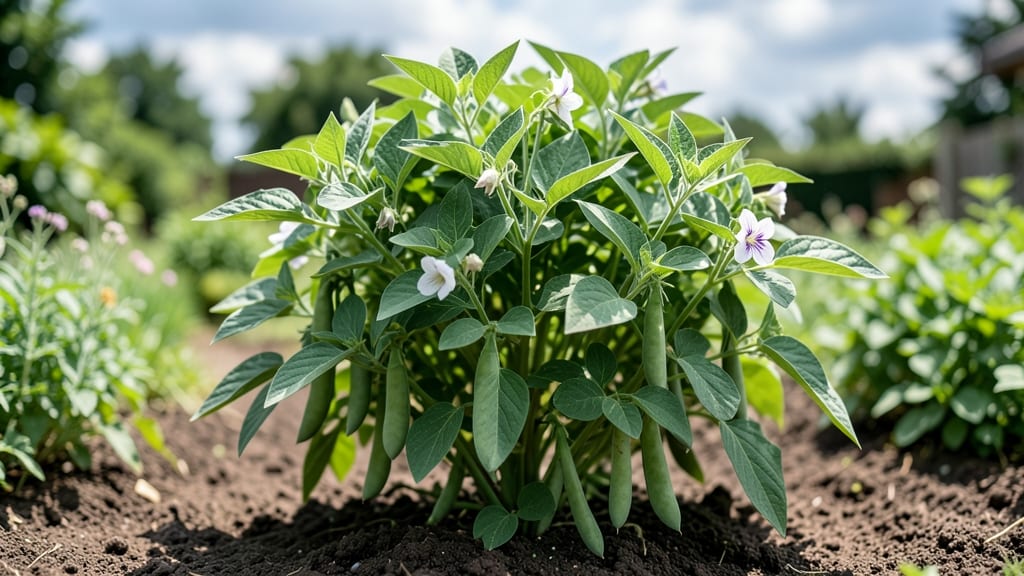
Blue Lake bush beans grow to a compact 1 to 2 feet tall 🌱, making them perfect for small gardens, containers, or even windowsills.
If you’re dreaming of a low-maintenance, high-yield vegetable garden, these beans could be your perfect match—but first, you need to know how tall they’ll grow to plan your space wisely.
Unlike their taller pole bean cousins, Blue Lake bush beans thrive without support, saving you time and effort while delivering abundant harvests in just 55 days.
Below, I’ll cover everything from spacing tips to sunlight needs, so you can maximize your yield without sacrificing space.

Blue Lake bush bean height: what to expect at each growth stage
If you’ve ever wondered how tall Blue Lake bush beans grow, you’re not alone! These compact powerhouses stay between 1 and 2 feet tall at maturity, making them ideal for small gardens, containers, or even balcony planters.
Unlike their climbing cousins, pole beans, Blue Lake bush beans grow in neat, bushy mounds rather than vines, which saves space and simplifies care. Understanding their height progression helps you plan spacing, support, and companion plants for the best harvest.
From seedling to harvest, Blue Lake bush beans follow a predictable growth pattern. In their first 2-3 weeks, they’ll sprout into 2-inch seedlings with delicate stems. By 4-6 weeks, they’ll reach 6-12 inches tall and start branching out.
By harvest time (around 55-65 days after planting), they’ll cap off at their mature height of 1-2 feet, producing an abundance of pods along their sturdy stems.
Here’s a quick visual guide to their growth stages and mature size:
| Growth Stage | Height Range | Key Features | Timeframe |
|---|---|---|---|
| Seedling | 1-2 inches | First true leaves appear | 1-2 weeks |
| Vegetative Growth | 6-12 inches | Branching begins, leaves thicken | 3-6 weeks |
| Flowering | 12-18 inches | White flowers appear, pods form | 6-8 weeks |
| Mature Height | 1-2 feet | Bushy, dense growth with pods | 8-10 weeks |
| Harvest Ready | 1-2 feet | Pods 4-6 inches long, glossy | 55-65 days |
One of the biggest advantages of Blue Lake bush beans is their compact growth habit. Unlike pole beans, which can climb 6-10 feet tall on trellises, bush beans stay low to the ground. This makes them perfect for small gardens or areas where vertical space is limited.
Their bushy structure also means they don’t require support structures like cages or trellises, though a light straw mulch can help keep pods off the soil and prevent rot.
When planning your garden, aim to space Blue Lake bush beans 3-4 inches apart in rows that are 18-24 inches apart. This spacing ensures optimal air circulation, reducing the risk of fungal diseases like rust or powdery mildew.
If you’re growing them in containers, a 5-gallon pot can comfortably hold 2-3 plants, giving them enough room to spread without competing for nutrients.
Sunlight plays a crucial role in their height and yield. Blue Lake bush beans thrive in full sun (6-8 hours daily), which encourages sturdy stems and abundant pod production.
If your garden receives partial shade, plants may grow taller and leggier as they stretch toward light, but yields will likely suffer. In shady spots, consider using reflective mulch or moving containers to sunnier locations midday.
While Blue Lake bush beans don’t need pruning like some other vegetables, you can lightly trim any overly crowded stems to improve airflow. Focus on removing yellowing or diseased leaves promptly to keep plants healthy.
Avoid heavy pruning, as these beans rely on their foliage to produce energy for pod development. Instead, prioritize consistent watering and balanced fertilization to support their natural growth pattern.
If you’re comparing Blue Lake bush beans to other varieties, remember that their height consistency is one of their biggest selling points. Unlike pole beans, which can vary widely in height depending on support, bush beans offer predictable, low-maintenance growth.
This makes them a favorite for beginner gardeners and those with limited space. Whether you’re growing them in rows, containers, or raised beds, their compact size ensures a high yield in a small footprint.
For the best results, plant Blue Lake bush beans after the last frost in well-draining soil with a pH of 6.0-7.0. Work in compost or aged manure at planting to provide nutrients without encouraging excessive leafy growth at the expense of pods.
With the right conditions, you’ll enjoy a steady harvest of tender, flavorful beans throughout the summer—all from plants that stay neatly contained in their 1-2 foot height range.
Now that you know exactly how tall Blue Lake bush beans grow
How to maximize yield without sacrificing space: pruning and support tips
Blue Lake bush beans thrive in compact spaces but can still benefit from strategic pruning and support to boost yields without spreading too wide. Since they naturally stay between 1-2 feet tall, you can focus on horizontal growth control and maximizing pod production per plant.
One of my favorite tricks is using low trellises or cages—even simple wire frames—because they encourage beans to climb slightly, improving air circulation and reducing disease risk. This keeps them from sprawling while increasing exposure to sunlight for more pods.
Here’s how I optimize space and yield with these practical techniques:
- Prune regularly to remove yellow leaves and overcrowded stems—this redirects energy to pod production.
- Use 3-foot tall cages (or DIY wire frames) to support vertical growth without sacrificing space.
- Plant companion crops like radishes or lettuce between rows to maximize ground space utilization.
- Harvest pods frequently to encourage continuous flowering—this prevents overcrowding and extends the harvest season.
- Avoid over-fertilizing nitrogen—it promotes leafy growth over pods, reducing your yield potential.
For small gardens, I often pair Blue Lake beans with dwarf varieties of corn or bush peas—the three sisters method works beautifully in tight spaces. The corn provides shade, peas fix nitrogen, and beans add protein-rich pods.
Remember, these beans are self-supporting but benefit from light pruning to keep them productive. With these tips, you’ll get bigger harvests in less space while keeping your garden tidy and healthy. 🌱