
Pests and Diseases
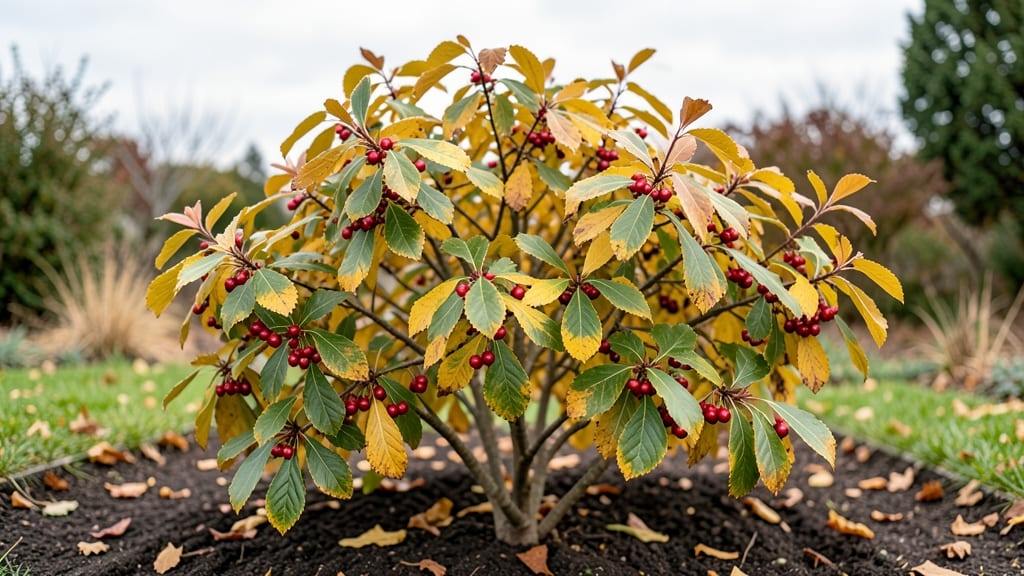
Your holly bush’s yellow leaves scream one thing: fungal blight is attacking. 🌿 I’ve seen this exact problem turn vibrant evergreens into sad, yellowing messes—until I discovered copper spray’s secret weapon status. The trick isn’t just spraying; it’s timing, technique, and fixing the root cause first.
Most gardeners blame overwatering or pests, but fungal blight thrives in damp foliage and poor airflow. That’s why your first move should be pruning crowded branches and letting sunlight dry the leaves faster.
Copper spray works best when applied early morning on dry leaves, and I’ve had success with a 1% copper sulfate solution—just don’t spray if rain’s in the forecast. Within 2-3 weeks, you’ll see new growth pushing through with rich green color.
The key is consistency: repeat treatments every 10-14 days until fresh leaves emerge. And here’s the kicker—prevent future outbreaks by spacing plants properly and watering at the base, never overhead. This method works for American holly, English holly, and inkberry alike.
Let’s get those bushes back to their glossy, disease-free selves—permanently.
Root Causes Behind Leaf Discoloration
When your holly bush starts showing off those unsightly yellow leaves, it’s often a cry for help from the plant itself. Understanding the underlying causes—whether environmental, biological, or nutritional—can help you take targeted action.
Below, we break down the most common reasons why holly leaves turn yellow, complete with scientific insights and actionable clues to identify each issue.
Holly bushes thrive in well-draining soil, and when roots sit in soggy conditions, they struggle to absorb oxygen. This leads to root rot, a fungal infection that disrupts nutrient uptake, causing leaves to yellow—especially along the edges or between veins.
- 🔍 How to spot it: Wilting despite wet soil, mushy roots, or a foul smell around the base.
- 💡 Science behind it: Excess water displaces oxygen in the soil, creating anaerobic conditions where harmful fungi like Phytophthora thrive. These pathogens block water and nutrient transport, leading to chlorosis (yellowing).
- ✨ Fix it:
- Improve drainage by amending soil with perlite or sand.
- Water deeply but less frequently—holly prefers 1–1.5 inches per week, including rainfall.
- Ensure the planting site has a slight slope to prevent water pooling.
Holly bushes are adaptable but can suffer from sun scald when exposed to intense afternoon sun, especially after being transplanted or during heatwaves. Yellowing leaves with crispy edges or bleached patches are classic signs of sun damage.
- 🔍 How to spot it: Leaves turn yellow or white in direct sunlight, often on the south or west side of the bush.
- 💡 Science behind it: Prolonged UV exposure breaks down chlorophyll and damages cell membranes, leading to oxidative stress. Holly leaves may also curl or develop necrotic (dead) spots.
- ✨ Fix it:
- Provide afternoon shade with a 30–50% shade cloth during peak summer.
- Gradually acclimate young holly bushes to full sun over 2–3 weeks to avoid shock.
- Mulch the base with 2–3 inches of organic mulch to regulate soil temperature.
Yellowing leaves with dark spots, powdery mildew, or leaf drop often signal fungal diseases like Cercospora leaf spot or Phytophthora root rot. Fungal blights thrive in humid conditions and can spread rapidly if left unchecked.
- 🔍 How to spot it:
- Yellow halos around dark spots (leaf spot).
- White, powdery coatings (powdery mildew).
- Premature leaf drop with yellowing before browning.
- 💡 Science behind it: Fungi like Cercospora produce toxins that disrupt chlorophyll production, while Phytophthora clogs xylem vessels, starving leaves of water and nutrients. High humidity (>75%) and poor airflow accelerate spread.
- ✨ Fix it:
- Apply a copper fungicide spray (like copper hydroxide) every 7–10 days during wet seasons.
- Prune infected leaves and dispose of them in the trash (not compost).
- Space plants 3–5 feet apart for better airflow and reduce overhead watering.
Yellow leaves can also indicate a nutritional imbalance. While nitrogen deficiency causes uniform yellowing (starting with older leaves), iron deficiency (chlorosis) leads to pale yellow leaves with green veins—a classic sign of poor uptake.
- 🔍 How to spot it:
- Nitrogen deficiency: Overall pale yellow leaves, stunted growth.
- Iron deficiency: New leaves turn yellow while veins stay green (interveinal chlorosis).
- 💡 Science behind it:
- Nitrogen is essential for chlorophyll production; low levels reduce leaf pigment.
- Iron is a micronutrient needed for chlorophyll synthesis. In alkaline soils (pH >7.0), iron becomes unavailable to roots, even if present.
- ✨ Fix it:
- Test soil pH—aim for 5.0–6.5. Amend with sulfur or peat moss to lower pH if needed.
- Apply a chelated iron supplement (like iron sulfate) or a balanced fertilizer (10-10-10) in early spring.
- Use compost or well-rotted manure to improve soil organic matter and microbial activity.
Pests like spider mites, scale insects, or aphids drain sap from holly leaves, causing yellowing, stippling, or curled leaves. Their saliva can also transmit viral diseases, worsening the issue.
- 🔍 How to spot it:
- Tiny webs (spider mites).
- Sticky residue (aphids) or white cottony patches (scale).
- Leaves yellow between veins with a speckled appearance.
- 💡 Science behind it: Sap-sucking insects disrupt photosynthesis by damaging plant cells and blocking nutrient transport. Their waste products can also trigger oxidative stress, accelerating leaf yellowing.
- ✨ Fix it:
- Spray with neem oil or insecticidal soap (repeat every 5–7 days).
- Introduce beneficial predators like ladybugs or lacewings.
- Hose off pests with a strong water spray to dislodge them.
Fixing Fungal Blight on Holly Bushes
Yellowing holly leaves often signal fungal blight, but the good news is that with the right approach, your bush can bounce back to its vibrant green. Below are practical, step-by-step solutions tailored to the root causes—whether it’s fungal infections, nutrient deficiencies, or environmental stress.
Follow these fixes, and don’t forget the prevention tips to keep your holly thriving long-term!
Before treating, confirm the issue with this 30-second assessment:
- Fungal blight? Look for dark spots, yellowing edges, or a powdery coating on leaves.
- Nutrient deficiency? Check for pale yellow leaves (often between veins) or stunted growth.
- Over/underwatering? Feel the soil—too wet or bone-dry can stress the plant.
- Pests? Inspect undersides of leaves for mites, aphids, or sawfly larvae.
If fungal blight is the culprit, copper-based fungicides are your best defense. Here’s how to apply them effectively:
- 🍳 Choose the Right Spray
- Use a copper fungicide (e.g., copper sulfate, copper hydroxide, or Bordeaux mixture).
- Opt for organic options like copper soap if you prefer chemical-free solutions.
- 👨🍳 Apply at the Right Time
- Best timing: Early morning or late evening (avoid direct sunlight to prevent leaf burn).
- Frequency: Spray every 7–14 days until new growth appears (usually 4–6 weeks).
- 🥘 Cover Every Surface
- Spray both sides of leaves, stems, and even the soil around the base (fungi lurk there too!).
- Use a hose-end sprayer for large bushes or a handheld sprayer for precision.
- ⏰ Post-Treatment Care
- Water deeply after spraying to help the fungicide absorb.
- Avoid pruning infected branches until the blight clears (spores can spread).
Yellow leaves from iron, nitrogen, or magnesium deficiency need a targeted fix:
| Deficiency | Symptoms | Solution |
|---|---|---|
| Iron (Chlorosis) | Bright yellow leaves with green veins | Apply chelated iron (e.g., Iron Chelate) or Epsom salt (1 tbsp/gallon water). |
| Nitrogen | Overall pale yellowing | Use a balanced fertilizer (10-10-10) or compost in the root zone. |
| Magnesium | Yellow patches between veins | Sprinkle Epsom salt (2 tbsp/foot of bush) or use a magnesium-rich fertilizer. |
🌡️ Pro Tip: Test your soil’s pH—holly prefers acidic soil (pH 4.5–5.5). If it’s too alkaline, amend with sulfur or pine needles.
Overwatering or poor drainage can suffocate roots, leading to yellowing:
- 🔥 Check Soil Moisture
- Stick your finger 2 inches into the soil—if it’s soggy, cut back on watering.
- Holly likes consistently moist (not waterlogged) soil.
- 🥘 Improve Drainage
- Amend heavy clay soil with perlite or sand.
- Ensure the planting hole has a layer of gravel at the bottom if drainage is poor.
- ✨ Mulch Like a Pro
- Apply 2–3 inches of organic mulch (pine bark or shredded leaves) to retain moisture and regulate temperature.
Pests like spider mites, aphids, or holly leaf miners can drain nutrients, causing yellowing:
- 💡 Natural Remedies
- Neem oil spray (1 tbsp + 1 tsp mild soap per quart of water) – repels mites and aphids.
- Introduce beneficial insects (ladybugs, lacewings) to eat pests naturally.
- 🔪 Chemical Control (Last Resort)
- Use insecticidal soap or pyrethrin-based sprays for severe infestations.
- Avoid systemic pesticides—they can harm pollinators.
Once your holly recovers, prevent future yellowing with these habits:
- 🌿 Prune for Airflow – Thin out dense branches to reduce humidity (fungi love damp, crowded areas).
- 🍂 Clean Up Debris – Remove fallen leaves and prunings to eliminate fungal spores.
- 💪 Fertilize Seasonally – Apply slow-release fertilizer in early spring and fall.
- 🌧️ Water at the Base – Avoid wetting leaves to prevent fungal spread.
- 🔄 Monitor Regularly – Check for early signs of stress or pests weekly during growing season.
With proper care, most holly bushes show improvement in 4–6 weeks. For severe cases:
- Fungal blight: May take 6–8 weeks to fully resolve.
- Nutrient issues: Visible recovery in 2–4 weeks after treatment.
- Pest damage: New growth should appear within 3–4 weeks of eradication.
💡 Pro Tip: If yellowing persists, consider root rot—dig carefully to check roots (black/mushy = rot). In this case, repot or replace the plant if necessary.
Frequently asked questions
Why do holly leaves turn yellow in patches instead of all at once?
Patchy yellowing usually signals fungal infections like leaf spot or powdery mildew. These diseases attack specific areas first, creating irregular yellow patches with dark spots or white coatings. Check for high humidity around your bush—fungi thrive when airflow is poor. Copper spray applied every 7-10 days can stop the spread.
Can yellow holly leaves turn green again?
Yes! If caught early, yellow leaves can recover with proper treatment. For nutrient deficiencies, chelated iron or Epsom salt works within 2-4 weeks. Fungal issues may take 4-6 weeks to show new green growth after copper treatments. The key is addressing the root cause—whether it's soil pH, drainage, or disease.
Is it safe to prune yellow leaves from my holly bush?
Yes, but do it carefully. Remove only the yellowed leaves—don't cut into healthy green tissue. For fungal diseases, sterilize your pruners with rubbing alcohol between cuts. Dispose of infected leaves in the trash (not compost) to prevent spreading spores. Prune in dry weather to help wounds heal faster.
How do I tell if my holly's yellow leaves are from overwatering or nutrient deficiency?
Check the soil first: If it's soggy, you're likely overwatering (root rot). Yellow leaves will appear along edges or between veins. For nutrient issues, look for uniform yellowing—older leaves first for nitrogen, new leaves with green veins for iron. Test your soil pH (holly prefers 5.0-6.5) to rule out deficiency.
Will copper spray harm beneficial insects in my garden?
Copper fungicides are generally safe for most beneficial insects when used correctly. Apply in early morning when bees are less active, and avoid spraying flowers. For extra protection, introduce ladybugs or lacewings after treatment—they help control pests naturally while your holly recovers. Always follow label instructions for proper dilution.