
Container Gardens
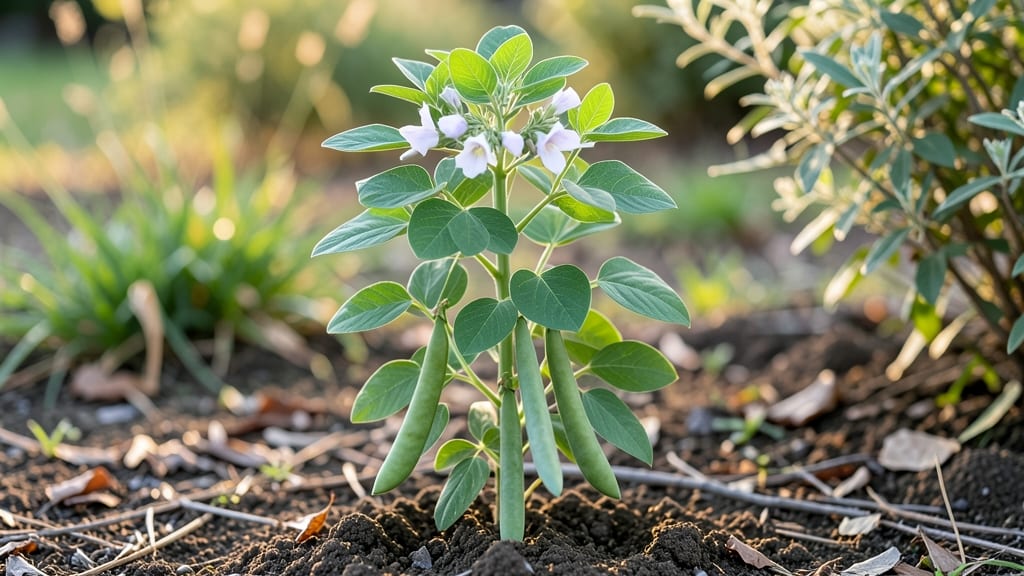
Growing Blue Lake bush beans in containers means fresh-picked beans in just 60 days—no yard needed. 🌱 I’ve turned my balcony into a bean factory by following a few key rules: the right soil mix, proper spacing, and consistent moisture.
These beans thrive in pots, producing tender pods all summer long.
Start with well-draining soil and containers at least 10 inches deep—they need room to spread. Plant seeds 1 inch deep, spacing them 4 inches apart, and give them full sun (6+ hours daily).
Water at the base to avoid wetting leaves, which prevents fungal issues. Within 2 weeks, you’ll see those first true leaves—proof you’re on the right track.
By mid-summer, you’ll be harvesting bright green pods every 3-4 days, and the flavor? Nothing from the store compares. The plants keep producing until frost, and with proper care, you’ll avoid common problems like powdery mildew or bean beetles.
Just watch for yellowing leaves (overwatering) or stunted growth (underwatering).
This method works for patios, balconies, or even windowsills—just adjust container size for your space. Once you master the basics, you’ll be growing enough beans to share with neighbors. Ready to get started?
📚 In This Guide
- What you need
- Instructions
- Tips and common mistakes
- Wrapping up and next steps
What you need
- ● Blue Lake bush bean seeds – 10–15 seeds per container (or 2–3 seeds per plant if spacing out). Look for certified organic or heirloom varieties for best results.
- ● Container or garden bed – A 5-gallon pot or larger (minimum 12" deep) with drainage holes, or a raised bed with well-draining soil.
- ● High-quality potting mix – A well-draining, organic blend (e.g., 60% compost, 30% coco coir, 10% perlite or vermiculite). Avoid garden soil unless amended.
- ● Slow-release fertilizer – A balanced, organic option (like 5-5-5 or 3-4-6) mixed into the soil at planting time.
- ● Watering can or hose with a gentle spray nozzle – Keep soil consistently moist but not soggy.
- ● Plant labels – To track varieties and planting dates.
- ● Hand trowel – For transplanting seedlings or mixing soil.
- ● Pruners or scissors – To trim yellowing leaves or harvest beans.
- ● Trellis or small stakes (4–6" tall) – If training vines (though bush beans don’t require support).
- ● pH test kit – To ensure soil pH is 6.0–7.0 (beans prefer slightly acidic to neutral soil).
- ● Row cover or shade cloth (lightweight) – To protect seedlings from pests or intense sun.
Step-by-step instructions for growing Blue Lake bush beans
Here's how to grow these sweet, prolific beans from seed to harvest in just two months.
🌱 Step 1: Prepare Soil and Plant Seeds Directly
Blue Lake bush beans thrive when planted directly in the garden—no need for transplanting. Choose a location with full sun (6-8 hours daily) and soil that drains well. Work in 2-3 inches of compost to enrich the bed, then rake until the surface is smooth but not compacted.
Plant seeds 1 inch deep and 3-4 inches apart in rows spaced 18-24 inches apart. I like to use a small garden trowel to make individual holes—this prevents overcrowding and makes thinning easier later. Water gently after planting to settle the soil around the seeds without disturbing them.
💧 Step 2: Maintain Consistent Moisture and Warmth
Keep the soil evenly moist but never soggy during germination, which takes 7-14 days depending on your climate. You'll know the seeds have sprouted when first true leaves appear—these look like small, rounded leaflets, not the initial seed leaves.
Once seedlings emerge, water at the base of plants in the morning to reduce fungal risks. Bush beans need about 1 inch of water weekly, but check soil moisture—if the top 2 inches feel dry, it's time to water. Mulch with straw to retain moisture and suppress weeds, which compete for nutrients.
☀️ Step 3: Monitor for Pests and Fertility
Watch for common bean pests like Mexican bean beetles or aphids, which can stunt growth. I spot-treat with neem oil if I see signs of infestation—it's organic and effective. Bush beans are light feeders, but a side dressing of balanced fertilizer (10-10-10) at planting and again when flowers appear encourages steady production.
Thin seedlings if they're crowded, leaving the strongest plants with 4-6 inches between them. You'll see flowers form in 4-6 weeks, followed by pods. Here's the thing—if you notice yellowing leaves, it might mean too much nitrogen. Cut back on fertilizer and focus on watering instead.
⏰ Step 4: Harvest at Peak Sweetness
Blue Lake beans are best harvested when pods are 4-6 inches long and still tender. I pick every 2-3 days to encourage more production—overripe pods become tough and stringy. Use sharp scissors or pinch the stem just above the pod to avoid damaging the plant.
Harvest continues for 4-6 weeks after flowering, depending on your climate. Store fresh pods in the fridge for up to 5 days or blanch and freeze for longer storage. The key is consistency—don't let pods swell beyond 6 inches, or they'll turn woody and lose flavor.
Tips & tricks for growing Blue Lake bush beans
A few smart moves will turn your garden into a bean bonanza—here's what I've learned after years of trial and error.
Soil Prep Secret: Before planting, mix in a handful of egg shells (crushed) into your compost—this adds calcium that prevents blossom end rot in the pods later. I also like to work in a thin layer of sand if my soil is heavy clay, which improves drainage for those 1-inch deep seeds we're planting. The right soil texture makes all the difference in germination speed.
Germination Timing: Those 7-14 days for sprouting can feel like forever, but here's the trick: cover your freshly planted seeds with a thin layer of mulch (like straw) to retain moisture and warmth. This actually helps seeds sprout 2-3 days faster in cooler climates. Just don't pack it down—keep it light so air can circulate to prevent rot.
Watering Wisdom: The 1 inch of water weekly guideline works, but I've found morning watering at the base (not overhead) dramatically reduces fungal risks. For the first 2 weeks after germination, I use a spray bottle to mist seedlings daily—this keeps them from drying out while their roots establish. Think of it as giving them a drink from a straw rather than a firehose.
Harvesting Hack: When pods reach 4-6 inches, I harvest every 2-3 days using this method: pinch the stem just above the pod with my thumb and forefinger (no scissors needed). This prevents damaging the plant's energy flow. I've found that harvesting in the morning gives the sweetest flavor—beans are at their peak right after a night's rest in the soil.
Pro Tips for Blue Lake Bush Beans Growing
- A few smart moves will turn your garden into a bean bonanza—here's what I've learned after years of trial and error.
- Soil Prep Secret: Before planting, mix in a handful of egg shells (crushed) into your compost—this adds calcium that prevents blossom end rot in the pods later.
- Germination Timing: Those 7-14 days for sprouting can feel like forever, but here's the trick: cover your freshly planted seeds with a thin layer of mulch (like straw) to retain moisture and warmth.
Frequently asked questions
Got questions about growing Blue Lake bush beans? You’re in the right place! Whether you're a first-time gardener or looking to refine your technique, these answers will help you cultivate a thriving harvest. Let’s dive in!
How long does it take for Blue Lake bush beans to mature?
Blue Lake bush beans typically mature in 50–60 days from planting, depending on your climate and growing conditions. If you’re starting from seeds, expect tender pods ready for harvest about 2–3 months after sowing. For container gardens, consistent warmth and sunlight speed up the process!
When is the best time to plant Blue Lake bush beans?
Plant them after the last frost when soil temperatures reach at least 60°F (15°C). In most regions, this means late spring to early summer. For extended harvests, consider succession planting every 2–3 weeks until mid-summer. Avoid planting too early—cold soil slows germination.
Can Blue Lake bush beans grow in containers, and what size pot do they need?
They thrive in containers as long as the pot is at least 12–18 inches deep and 12 inches wide. Use well-draining soil and ensure the pot has drainage holes. For multiple plants, space them 4–6 inches apart. A 5-gallon bucket works great for 2–3 plants!
What are common pests for Blue Lake bush beans, and how do I prevent them?
Watch for bean beetles, aphids, and slugs. To prevent issues:
- Handpick pests early in the morning.
- Use row covers or neem oil for organic protection.
- Plant marigolds or basil nearby to deter pests naturally.
- Keep the garden weed-free to reduce hiding spots.
Why aren’t my Blue Lake bush beans producing pods?
Several factors can stunt pod production:
- Inconsistent watering: Keep soil evenly moist but not soggy.
- Poor pollination: Gently shake plants on sunny days to encourage pollinators.
- Overcrowding: Thin plants to 4–6 inches apart for better airflow.
- Temperature stress: Beans need warmth (70–80°F) to thrive.
Wrapping up and next steps
Growing Blue Lake bush beans in containers is a rewarding journey that delivers fresh, flavorful harvests in just 60 days! With the right soil, sunlight, and care, you’ll enjoy a bountiful crop—perfect for salads, stir-fries, or freezing for later. You’ve got this! 🌱
Ready to dive in? Start by gathering your supplies, then follow the steps to plant and nurture your beans. Once your first harvest is ready, share your success with fellow gardeners or experiment with new recipes. Happy growing!