
How To
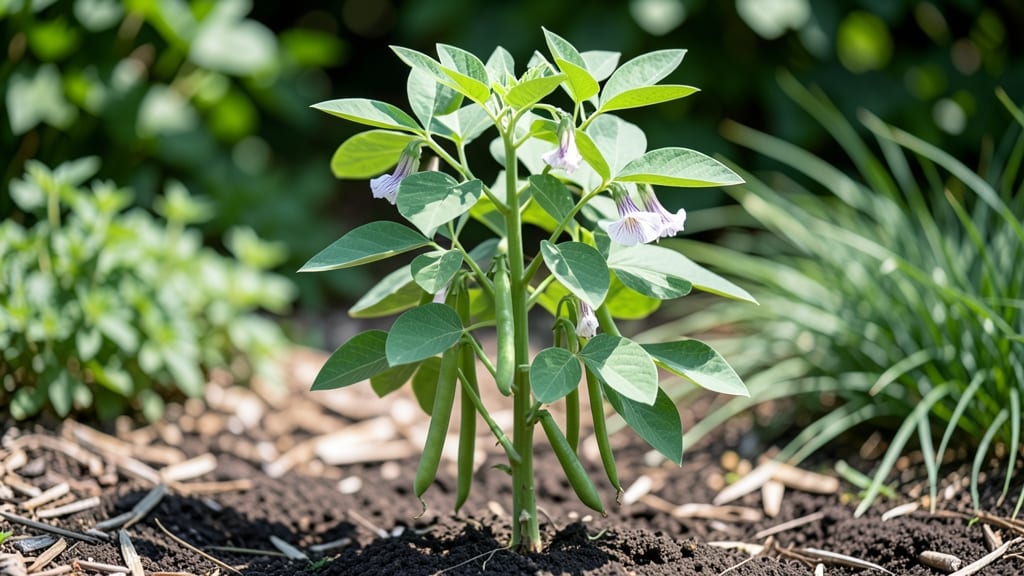
Bush beans grow between 1 and 3 feet tall—a compact size that makes them perfect for small gardens, containers, or even balcony planters.
If you're planning a small garden but love the idea of fresh, homegrown beans, understanding bush bean height is key—some varieties stay under 2 feet while others reach waist-high. The right choice can transform your space from cramped to productive.
Most bush beans thrive in USDA Zone 6a and beyond, planted in spring when soil warms to at least 60°F. Their height depends on the variety: dwarf types stay under 12 inches, while standard bush beans reach 2 to 3 feet.
In this guide, I’ll break down how to pick the right variety for your space, why some grow taller than expected, and tips to maximize their growth—so you can enjoy a bountiful harvest without sacrificing garden real estate.

Average bush bean height: compact varieties explained (with exact measurements)
When planning your garden, knowing how tall bush beans grow helps maximize space and productivity. Most bush beans reach 12 to 24 inches at maturity, making them ideal for small gardens, containers, or raised beds.
However, some dwarf varieties stay under 12 inches, while others can stretch closer to 3 feet depending on the cultivar and growing conditions.
Understanding these height variations lets you choose the perfect variety for your space. For example, container gardening thrives with compact types, while taller varieties work well in traditional garden beds. The key is matching the plant’s mature size to your available space and sunlight conditions.
Here’s a quick breakdown of what to expect from different bush bean types, including their exact mature heights and ideal growing environments:
For example, 'Blue Lake Bush' typically grows to 18–24 inches, perfect for garden borders, while 'Mascotte' stays under 12 inches, making it ideal for hanging baskets or small pots. These differences aren’t just about aesthetics—they impact how you’ll space your plants and manage sunlight exposure.
If you’re working with limited space, prioritize dwarf or miniature varieties. These require less vertical room and can be planted closer together, increasing your yield per square foot.
For instance, a 6-inch-tall variety like 'Contender' can be spaced just 4 inches apart, while a 24-inch variety needs at least 6 inches between plants.
Another factor influencing height is soil fertility. Over-fertilizing with nitrogen can lead to lush foliage but fewer pods, while balanced nutrients promote healthy, proportional growth. Aim for a 5-10-10 fertilizer to encourage strong stems and compact growth patterns.
Light exposure also plays a role. Bush beans need 6–8 hours of full sun daily to reach their ideal height and produce the most beans. In shadier conditions, they may grow taller but produce fewer pods.
If your garden is less sunny, opt for shorter varieties that tolerate partial shade better.
For container gardening, choose varieties labeled as "bush" or "compact." A 5-gallon pot can comfortably hold a 12-inch-tall variety, while larger containers (10+ gallons) accommodate taller types. Just ensure pots have drainage holes to prevent root rot, which can stunt growth.
When planting, consider succession planting to maximize space. After harvesting a batch of beans, replace them with a new crop of fast-maturing dwarf varieties like 'Blue Lake', which can produce beans in as little as 50 days. This keeps your garden productive without overcrowding.
Finally, always check the seed packet for exact height expectations—some brands may list slightly different ranges. For instance, 'Kentucky Wonder' is often marketed as a bush bean but can grow up to 3 feet if not pruned.
Knowing these details ensures you pick the right variety for your garden’s layout and your harvesting goals.
Why some bush beans grow taller than expected (and how to control them)
Bush beans are prized for their compact growth, but sometimes they stretch taller than expected, leaving you with leggy plants that sprawl beyond your garden's boundaries. This happens when key growing conditions aren't met, and the plants compensate by reaching upward for sunlight or support.
Understanding these triggers helps you maintain those neat, bushy plants you planted for.
The most common culprits behind unexpected height are overcrowding, poor soil nutrients, and inadequate sunlight. When plants compete for space or resources, they grow taller to access what they need.
Even well-intentioned pruning mistakes can send signals for more vertical growth. Let's break down why this happens and how to keep your bush beans where you want them.
Watch Out for These Height Triggers!
Most bush beans max out at 12-24 inches, but if yours are stretching toward 3 feet or more, check these red flags:
- ✖️ Overcrowding - Plants fighting for space grow taller
- ✖️ Poor sunlight - Less than 6 hours daily causes stretching
- ✖️ Excess nitrogen - Too much fertilizer promotes leafy growth over pods
- ✖️ Lack of pruning - Unchecked growth leads to taller stems
One of the simplest solutions is proper spacing at planting time. Most bush bean varieties need at least 4-6 inches between plants and 18-24 inches between rows. When you crowd them, they'll compete for nutrients and sunlight, triggering that upward growth spurt.
I always mark my planting spots with toothpicks to visualize the spacing before dropping seeds in the ground.
For existing plants that have already outgrown their space, trellising can be a game-changer. Use lightweight tomato cages or bamboo stakes to support the plants as they grow. This doesn't just control height—it also makes harvesting easier and improves air circulation to prevent diseases.
I've found that even dwarf varieties appreciate a little support when they start to lean.
Another key factor is soil fertility. While you might think more fertilizer equals better growth, bush beans actually prefer moderate nutrients. Too much nitrogen leads to lush foliage but fewer pods, while a balanced 5-10-10 fertilizer encourages both growth and production.
I always do a soil test before planting to check nutrient levels—it's the best way to avoid accidental over-fertilization that can cause height issues.
Don't forget about pruning as a height control tool. Regularly pinch off the top sets of leaves when plants reach about 12 inches tall. This encourages bushier growth and prevents the plants from becoming top-heavy.
I like to do this every 2-3 weeks during the growing season, always using clean, sharp pruners to avoid disease transmission.
With these techniques, you can keep your bush beans at their ideal height while still enjoying a bountiful harvest. The secret is attention to detail—proper spacing, balanced nutrients, and gentle pruning will give you those perfect compact plants you envisioned when you first planted your seeds. 🌱