
Pruning
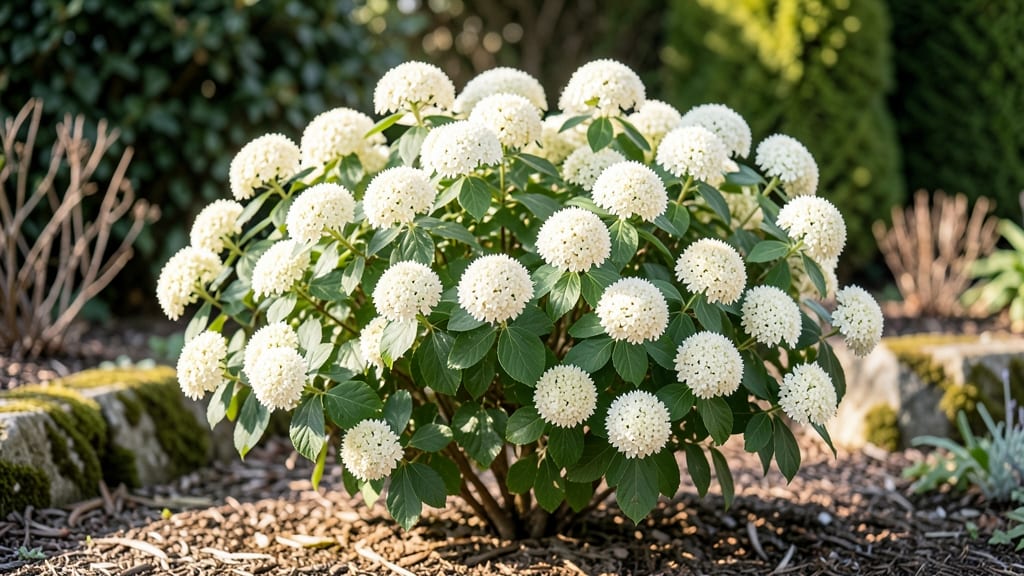
Pruning your Snowball Bush Blue transforms it from a scraggly mess into a year-round showstopper with just three strategic cuts. ✂️ I learned this after my first winter left my bush looking like a deflated balloon—until I discovered how timing and technique make all the difference.
The secret isn’t cutting more, but cutting right: shaping in late winter, cleaning up after blooms, and thinning in summer to keep that lush, rounded form.
This bush thrives in partial shade where others fail, and its blue-tinged spring flowers (followed by white snowball blooms) make it a standout. The key is working with its natural shape—never shearing like a hedge—while removing dead wood and crossing branches.
Most people over-prune, but these three cuts (late winter, post-bloom, and mid-summer) keep it healthy, dense, and flowering for decades.
By summer’s end, you’ll have a bush so full it looks like a cloud of blossoms, with dark green foliage that stays vibrant even in heat. The best part?
Pruning takes just 20 minutes and pays off in bold spring displays and fewer pests. No more hiding your bush behind shrubs—it’ll be the centerpiece of your garden.
Works in zones 3-8, whether planted as a specimen or in mixed borders. Here’s how to nail those three cuts without a single snag—no green thumb required.
📚 In This Guide
- What you need
- Instructions
- Tips and common mistakes
- Wrapping up and next steps
What you need
- ● Pruning shears: Bypass pruners with sharp, bypass blades (for clean cuts on stems up to ½ inch thick). Example: Felco F-2 or Corona Tools.
- ● Loppers: Bypass-style loppers (for thicker branches, ¾–1½ inches). Example: Fiskars X27 or bypass loppers with a ratchet mechanism for leverage.
- ● Hand saw: Pruning saw with a curved blade (for branches >1½ inches thick). Example: Felco F-8 or Bahco Ergonomic.
- ● Gloves: Heavy-duty, cut-resistant gloves (to protect from thorns and debris). Example: Fiskars or Wagners.
- ● Disinfectant: 70% isopropyl alcohol or rubbing alcohol (to sterilize tools between cuts and prevent disease spread).
- ○ Pruning sealant (optional): Tree wound paint or pruning sealant (only for cuts >½ inch—controversial but useful for large wounds). Example: Tanglefoot Tree Wound Pruning Seal.
- ● Bucket or bag: For collecting pruned branches (to keep your workspace tidy!).
- ● Weather check: Prune on a dry, overcast day (or early morning) to avoid stressing the plant.
- ● Safety gear: Safety glasses (to shield from debris).
- ● Plant knowledge: Identify dead, diseased, or crossing branches before starting.
- ● Clean workspace: Lay down tarps or old sheets to catch fallen leaves/debris.
- ● Sharpen first! Dull tools tear branches—always sharpen blades before pruning. 🔪
- ● One cut at a time: Make cuts just outside the branch collar (the swollen area where the branch meets the trunk).
- ● Sterilize often: Wipe tools with alcohol between each plant if working with multiple bushes.
- ○ Label branches (optional): Use twine or tags to mark branches to remove if you’re unsure.
Step-by-Step instructions for pruning snowball bush blue
Here's the method I rely on to keep your hydrangea blooming abundantly year after year—no guesswork, just strategic cuts.
✂️ Step 1: Perform Late Winter Dormant Pruning
Wait until late February or early March when the plant is fully dormant but before new growth begins. This is your window to remove last year's dead wood—look for branches that are brown, brittle, or completely devoid of buds. I like to start with the largest stems first, as they often bear the most dead growth.
Use clean, sharp pruners and cut back to the first outward-facing bud or healthy growth point you can find. This ensures new shoots will grow outward rather than inward, maintaining the bush's shape. Avoid cutting into old wood that's completely bare—these branches won't regenerate. You'll know you're doing it right when you're left with 30-50% of the previous year's stems remaining.
✂️ Step 2: Light Summer Pruning for Airflow
Around mid-June, when you notice new growth has hardened off, do a quick inspection for any crossing branches, inward-growing stems, or weak shoots. These compete for energy and reduce airflow, which can lead to powdery mildew. Remove any stems that are growing toward the center of the bush—these won't contribute to the full, rounded shape you want.
Pinch back the tips of overly vigorous shoots to encourage bushier growth. You'll see this pruning pay off when the plant fills out more densely by late summer. Never remove more than 10-15% of the plant in this step—this is about refinement, not drastic reshaping. If you're unsure, err on the side of leaving more growth; hydrangeas are forgiving but respond best to gentle guidance.
✂️ Step 3: Post-Bloom Cleanup for Next Year
After the snowball blooms fade in late summer (typically August or September), it's time for your final pruning of the year. Remove all spent blooms by cutting back to the first set of strong leaves below the flower cluster. This redirects the plant's energy toward next year's buds rather than seed production. I always use sterilized pruners at this stage to prevent disease spread.
Look for any weak, diseased, or crossing branches that may have developed since your last pruning. Cut these back to a healthy bud or joint. The goal here is to open up the center of the bush so air circulates freely. You'll notice the plant's structure becomes more upright and open—this sets it up for stronger growth in spring. Avoid heavy pruning now; you want to leave enough foliage for photosynthesis through fall.
Tips & tricks for perfect snowball bush blue pruning
Mastering the art of hydrangea pruning takes practice, but these insights will help you avoid common pitfalls and achieve that lush, abundant bloom every season.
Timing is Everything: The late February to early March window for Step 1 is critical—this dormant period ensures you're not cutting into next year's growth. I've learned the hard way that pruning too early can stimulate premature growth that gets nipped by late frosts. Check for bud swell before you start; if you see any green peeking through, wait a few more days. The goal is to remove only last year's dead wood while preserving the framework for new growth.
Tool Preparation Matters: Your pruners are your most important tool, and they need to be in top condition. Before you begin Step 1, sterilize your blades with rubbing alcohol to prevent disease transmission between cuts. I also recommend sharpening them—dull blades crush stems rather than making clean cuts, which stresses the plant. For larger stems, consider using loppers or a pruning saw to avoid tearing the bark. The cleaner the cut, the faster the plant can heal and redirect its energy.
Visual Cues for Proper Pruning: When you're deciding what to cut in Step 2, look for these visual clues: crossing branches will have stems rubbing against each other, while weak shoots often appear thinner and less vibrant. In Step 3, the spent blooms should be clearly browned out and dry to the touch. If you're unsure about a cut, remember the 30-50% rule from Step 1—you're not trying to create a completely new plant shape, just refine what's already there. The bush's natural structure will guide you if you pay attention to its growth patterns.
Pro Tips for Snowball Bush Blue
- Mastering the art of hydrangea pruning takes practice, but these insights will help you avoid common pitfalls and achieve that lush, abundant bloom every season.
- Timing is Everything: The late February to early March window for Step 1 is critical—this dormant period ensures you're not cutting into next year's growth.
- Tool Preparation Matters: Your pruners are your most important tool, and they need to be in top condition.
Frequently asked questions
Got questions about keeping your Snowball Bush Blue (Viburnum bodnantense 'Dawn') thriving with pruning? Here are answers to the most common ones—so you can enjoy its stunning winter blooms year after year!
When is the best time to prune my Snowball Bush Blue?
The ideal time is right after flowering (late winter to early spring), but you can also do a light shape-up in late summer if needed. Avoid pruning in fall—this shrub blooms on old wood, so cutting too late risks losing next year’s flowers. Pro tip: If you prune too early, you might accidentally trim off next season’s buds!
How much can I trim back without hurting the bush?
You can safely remove up to 1/3 of the plant’s growth in one session, but avoid over-pruning. Focus on dead, diseased, or crossing branches first. For shaping, thin out crowded stems to improve airflow—this helps prevent fungal issues. Warning: Never "rejuvenate" by cutting back hard; this shrub hates drastic cuts!
Why isn’t my Snowball Bush Blue blooming as much as it should?
Lack of blooms often means over-pruning (cutting back too late or too aggressively) or poor sunlight (it needs full sun to partial shade). Check for nutrient deficiencies too—apply a balanced fertilizer in early spring. If the bush is overcrowded, thinning out branches can encourage more flowers. Patience tip: It may take 1–2 years to rebound after heavy pruning.
Can I prune my Snowball Bush Blue in winter?
Light pruning in mild winter (if no frost is forecast) is fine, but avoid heavy cuts. The plant is dormant, so it won’t bleed sap like spring-flowering shrubs. However, never prune in freezing temps—this can stress the plant. If you must, wait until late winter (just before buds swell).
What’s a good alternative if my Snowball Bush Blue struggles in my climate?
If your area has harsh winters or hot summers, consider these cold-hardy, winter-blooming viburnums:
- Viburnum plicatum 'Shasta' – Larger, layered blooms (Zones 5–8).
- Viburnum x bodnantense 'Charles Lamont' – Similar care, deeper pink flowers.
- Viburnum farreri – Fragrant blooms, great for shade (Zones 6–9).
All three thrive with minimal pruning and offer stunning winter interest!
Wrapping up and next steps
Mastering the art of Snowball Bush Blue pruning transforms your garden into a year-round haven of lush, blooming beauty! 🌿 With just three strategic cuts—spring shaping, post-bloom cleanup, and seasonal shaping—you’ll keep your bush thriving and full of vibrant blue-green foliage.
The key is consistency, patience, and a little love for your green friend.
Ready to take the next step? Grab your pruners, mark your calendar, and commit to a seasonal pruning routine. Watch as your Snowball Bush Blue becomes the star of your outdoor space—one careful trim at a time! 🌸