
Pests
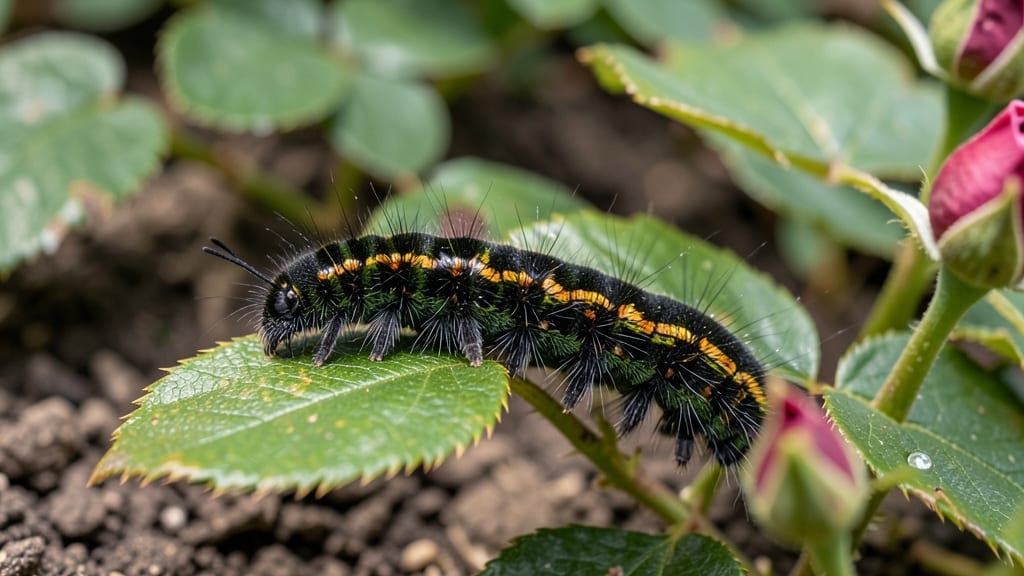
Your roses might look like a buffet for caterpillars that eat rose bush leaves, but nature has the perfect menu—natural predators that turn the tables on leaf-munching invaders. 🌿 The moment you spot skeletonized leaves, you're likely dealing with rose slugs, sawfly larvae, or gypsy moth caterpillars, all of which can strip a bush bare in days if left unchecked.
These hungry caterpillars thrive in dense foliage, where their damage often goes unnoticed until it's too late. The good news? Birds, parasitic wasps, and predatory beetles already patrol your garden—you just need to give them the right conditions to work their magic.
A single healthy rose bush can support an ecosystem that keeps pests in balance.
With the right approach, you'll see fewer chewed leaves and more blooms by next season. We'll cover how to spot these caterpillars early, the best organic controls (like neem oil or Bacillus thuringiensis), and simple preventive habits that make your roses less appealing to pests in the first place.
Whether you're dealing with a minor infestation or trying to prevent one before it starts, these solutions work for roses of all types—from hybrid teas to rugged landscape varieties. Let's get your garden back in balance.
Natural Feeding Behavior Explained
When you spot caterpillars munching on your rose bush leaves, it’s not just bad luck—it’s biology in action. These tiny, leaf-chewing critters are following their instincts, driven by survival needs and environmental cues.
Understanding why they target your roses helps you predict, prevent, and even leverage their presence to your garden’s advantage. Let’s break down the science behind their leafy feast.
Caterpillars are the larval stage of moths and butterflies, and their primary purpose in life is to eat, grow, and molt until they’re ready to pupate.
Since they can’t digest complex foods like adults (who sip nectar or feed on pollen), their diet is simple: leaves, stems, and sometimes flowers. Rose bushes, with their tender, nutrient-rich foliage, are a caterpillar’s all-you-can-eat buffet.
Key factors that make roses irresistible:
- High moisture content: Roses retain water well, making them easy to digest.
- Rich in nitrogen: Young, soft leaves are packed with proteins that fuel rapid growth.
- Chemical signals: Some caterpillars are drawn to specific plant compounds (like rosaceae family volatiles) that scream, “I’m a rose—eat me!”
Pro tip: 💡 If your roses are thriving (lush, green, and healthy), they’re even more appealing to caterpillars. Stressed plants, while tempting, often attract fewer pests—nature’s way of balancing the ecosystem.
Caterpillars don’t raid your garden randomly—they time their meals based on temperature, daylight, and plant growth cycles. Here’s how climate and seasons play a role:
| Season | Why Caterpillars Strike | What You Can Expect |
|---|---|---|
| Spring | Warmth triggers egg hatching. Many moths lay eggs in fall/winter, and larvae emerge as temps rise above 50°F (10°C). | First wave of damage—tiny caterpillars skeletonize leaves (eat only the soft tissue, leaving veins). |
| Summer | Long daylight hours and consistent warmth = rapid growth. Caterpillars molt frequently, increasing their appetite. | Peak feeding. Large caterpillars (like rose slugs) can defoliate entire branches. |
| Fall | Cooler temps slow growth, but some species (like tussock moths) thrive in mild autumns. | Late-season outbreaks. Caterpillars prepare for winter by eating excess leaves to store energy. |
Pro tip: 🌡️ Monitor your local degree-day accumulations (a tool gardeners use to track pest activity). Many caterpillar species hatch when temps hit specific thresholds—knowing these can help you act before damage starts.
Caterpillars are a cornerstone of the food chain, but they’re not invincible. When they first arrive, they often face little resistance because:
- Timing: Many predators (like birds or parasitic wasps) don’t arrive until caterpillars are already established.
- Camouflage: Some caterpillars (e.g., rose sawfly larvae) blend into rose foliage, making them hard to spot.
- Chemical defenses: A few species (like woolly bear caterpillars) produce toxins that deter smaller predators.
However, this imbalance is temporary. Within weeks, nature’s cleanup crew—ladybugs, lacewings, birds, and parasitic wasps—will arrive to regulate the population. Your job? Encourage these helpers instead of fighting the caterpillars directly.
Pro tip: ✨ Plant native flowers nearby (like dill, fennel, or milkweed) to attract predatory insects. Even a small patch of alyssum can draw in ladybugs that hunt caterpillars.
Not all rose bushes are equally tempting. Caterpillars prefer plants that are:
- Young or regrowing: New leaves are softer and more nutritious than mature ones.
- Stressed or over-fertilized: Too much nitrogen = lush but weak growth, making leaves easier to digest.
- Isolated from predators: Roses in dense shrubbery or far from bird-friendly areas get less protection.
Conversely, healthy, well-pruned roses with a mix of hardy and tender leaves are less appealing. Caterpillars also avoid plants with:
- Thick wax coatings (common in some hybrid roses).
- Hairy or spiky foliage (which deters chewing).
- Natural pest-repellent compounds (like geraniol in some roses).
Pro tip: 🎯 Prune strategically—remove heavily damaged leaves after the main caterpillar wave has passed (late summer/early fall) to avoid attracting more eggs.
Effective Ways to Stop Leaf Munchers
Now that you know why caterpillars are feasting on your rose bush leaves, it’s time to take action! The good news is that most solutions are natural, budget-friendly, and easy to implement—no harsh chemicals required.
Below, we’ll match common causes to practical fixes, plus prevention tips to keep your roses thriving.
Fix: These fuzzy, green caterpillars are notorious leaf devourers. Here’s how to outsmart them:
- 🔥 Handpick & Drown
- When: Early morning (they’re sluggish and easy to spot).
- How: Wear gloves, pluck caterpillars into a bucket of soapy water. Check under leaves and new growth.
- Pro Tip: 💡 Do this for 3–5 days in a row—it disrupts their lifecycle.
- 🍳 Bacillus Thuringiensis (Bt) Spray
- Why: A microbial pesticide safe for humans, pets, and beneficial insects.
- How: Mix 1 tbsp Bt per gallon of water, spray evenly on leaves (especially undersides). Reapply after rain.
- Timing: Best in late afternoon to avoid harming bees.
- 🌿 Neem Oil Spray
- Why: Disrupts their feeding and growth hormones.
- Recipe: Mix 1 tbsp neem oil + 1 tsp mild soap + 1 quart water. Spray every 5–7 days until gone.
- Bonus: Also deters eggs laid on new shoots.
Fix: These pests chew irregular holes or strip leaves entirely. Act fast—they multiply quickly!
- 👨🍳 Physical Barriers
- Option 1: Floating Row Covers – Lightweight fabric draped over young roses blocks adults from laying eggs.
- Option 2: Aluminum Foil Collars – Wrap 2-inch-wide foil around stems (bury 1 inch underground) to trap crawling larvae.
- 🔪 Prune & Destroy
- When: Morning or evening (pests are less active).
- How: Cut and bag infested leaves (don’t compost!). Focus on new shoots and flower buds—their favorite spots.
- 🌡️ Heat Treatment (For Severe Cases)
- How: Use a hair dryer on low heat to gently blow on leaves where eggs are laid (tiny white specks). Repeat daily for a week.
Fix: These guys spin silky webs and defoliate roses overnight. Break their cycle with these steps:
- 🥘 Diatomaceous Earth (DE)
- Why: A natural powder that dehydrates caterpillars.
- How: Sprinkle food-grade DE on webs and leaf undersides. Reapply after rain (it’s harmless but needs direct contact).
- Caution: Avoid windy days—it can drift.
- 🔪 Remove Webs & Egg Masses
- Tool: Use tweezers or a stiff brush to scrape off grayish egg sacs (laid on branches in winter).
- When: Late fall or early spring before hatching.
- 🎯 Attract Natural Predators
- How: Plant nearby dill, fennel, or parsley to lure parasitic wasps (their #1 enemy).
- Bonus: Ladybugs and birds also feast on young caterpillars—install a bird feeder nearby!
Once you’ve tackled the current infestation, stop future attacks with these habits:
- 💡 Regular Inspections
- Check new growth, undersides of leaves, and buds weekly (especially after rain).
- 🌿 Healthy Roses = Fewer Pests
- Water deeply but less often (wet leaves attract pests).
- Prune for airflow—crowded bushes stay damp and inviting to caterpillars.
- Fertilize with compost (strong plants repel pests better).
- 🍎 Companion Planting
- Marigolds, garlic, or chives near roses deter egg-laying moths.
- Nasturtiums act as a trap crop—pests go for these instead!
- 🗓️ Seasonal Cleanup
- Fall: Rake and remove fallen leaves (hiding spots for eggs).
- Spring: Burn or bag old mulch (prevents overwintering pests).
Final Note: Most caterpillar problems are short-term if you act early. Combine manual removal, natural sprays, and prevention for roses that stay lush—and pest-free! 🌹✨
Frequently asked questions
How do I tell if my rose bush has a caterpillar problem?
Look for skeletonized leaves (only veins remain), irregular holes, or silky webs on branches. Check leaf undersides and new growth—common hiding spots. Tiny black or green caterpillars (like rose slugs) are often the culprits. Act fast if you see more than 3-5 caterpillars per branch.
Are there any caterpillars that actually help roses?
Yes! Some caterpillars (like swallowtail butterfly larvae) occasionally nibble but rarely cause major damage. Their presence means you’ll soon see beautiful butterflies pollinating your garden. Focus on removing only the destructive species—rose slugs, sawfly larvae, and gypsy moth caterpillars.
Can I use chemical pesticides safely around roses?
Use organic options first—neem oil or Bacillus thuringiensis are rose-safe and effective. If you must use chemicals, choose insecticidal soap or horticultural oil (avoid systemic pesticides). Always apply early morning or late evening to protect pollinators, and never spray when roses are in bloom.
Why do caterpillars always return even after treatment?
New eggs are likely being laid continuously. Break the cycle by removing egg masses (tiny white clusters on stems) and pruning infested leaves. Also check nearby plants—caterpillars may be migrating from other hosts like raspberries or fruit trees.
Will my roses recover from heavy caterpillar damage?
Yes! Roses are resilient. If less than 30% of leaves are eaten, the bush will regrow. For severe damage, prune back affected branches to healthy wood and fertilize with compost to boost recovery. Avoid over-fertilizing—it attracts more pests.