
Advice
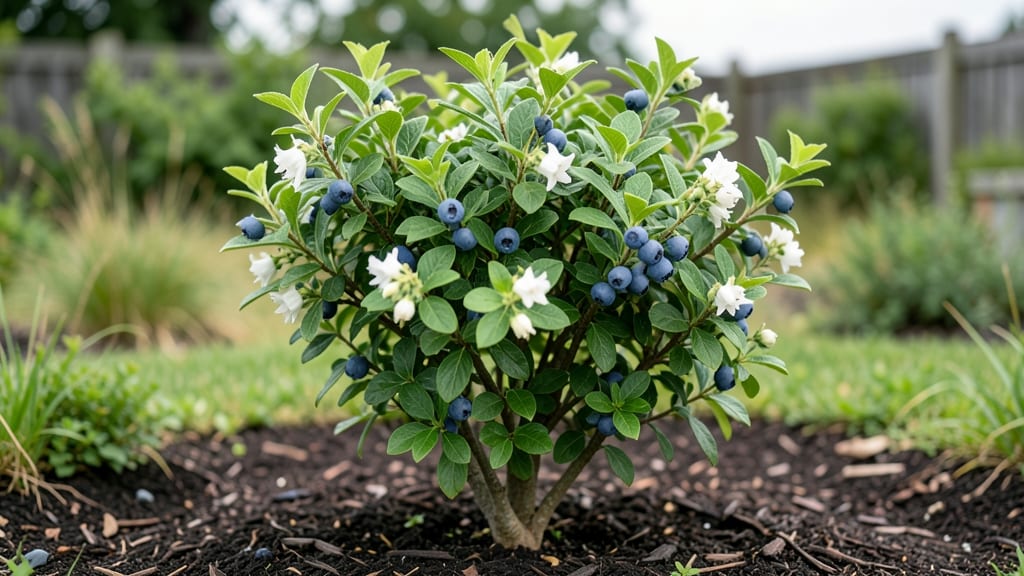
Are blueberry bushes hard to grow? They aren't difficult, but they do demand attention to soil acidity, steady watering, and a bit of patience for fruit-bearing maturity compared to easier crops like tomatoes or herbs.
Blueberries thrive when their soil pH stays between 4.5 and 5.5—that's more acidic than most garden plants prefer. 🌱 Without this acidity, the bushes struggle to absorb nutrients, leading to poor growth or no fruit.
I've found that mixing in peat moss or sulfur helps adjust the soil naturally, and testing your soil every few years keeps it in the right range. The payoff? Healthy bushes that produce berries for 15-20 years with proper care.
What trips up many beginners is thinking blueberries are as low-maintenance as strawberries or herbs. While they're not overly fussy, their specific needs—like 1-1.5 inches of water weekly and full sun exposure—require more planning.
Skipping these details often means stunted growth or bitter-tasting berries. The good news? Once established, blueberry bushes are resilient and reward patience with abundant harvests.
💡 In This Article
- Key Requirements for Growing Healthy Blueberry Bushes
- Common Mistakes Beginners Make with Blueberry Bushes
Key requirements for growing healthy blueberry bushes
The real challenge with blueberry bushes isn't difficulty—it's precision. These plants thrive in soil with a pH between 4.5 and 5.5, which is more acidic than most garden vegetables tolerate. This acidity level isn't just a preference; it's essential for nutrient uptake.
Without it, the bushes can't properly absorb iron, manganese, and phosphorus, leading to yellow leaves and poor fruit development. Think of it like a lock-and-key system: the right pH unlocks the nutrients the plant needs to flourish.
Organic matter plays a crucial role too. Blueberries love well-draining soil rich in decomposed leaves or compost, which helps maintain moisture while preventing root rot. A mix of 50% peat moss or pine bark and 50% native soil creates the ideal growing medium.
This combination also improves aeration, allowing roots to spread efficiently. Without proper organic matter, roots can suffocate, stunting growth and reducing fruit production by up to 40%. 🌱
Sunlight requirements are straightforward but often overlooked. Blueberries need 6-10 hours of full sun daily to produce fruit. Partial shade can reduce yields significantly, while too much shade leads to weak stems and fewer berries.
The ideal location balances sun exposure with protection from harsh afternoon winds, which can dry out the soil too quickly. I've noticed that bushes in morning sun and afternoon shade often produce sweeter berries because the fruit ripens more slowly and evenly.
Watering consistency is another critical factor. Blueberries need 1-1.5 inches of water per week, whether from rain or irrigation. Too little causes stress, while too much can drown the roots.
Mulching with 3-4 inches of pine needles or wood chips helps retain moisture and gradually releases nutrients as it breaks down. This mulch layer also regulates soil temperature, protecting roots during heatwaves or cold snaps.
Patience is the final piece of the puzzle. Blueberry bushes typically take 2-3 years to bear fruit after planting, and full production may take up to 5 years. During this time, proper pruning—removing dead wood and shaping the bush—encourages stronger growth.
The reward? A single healthy bush can produce 5-10 pounds of berries annually once mature, making the initial investment worthwhile.
What makes blueberries unique compared to other fruits is their self-pollinating nature. While some varieties benefit from cross-pollination, many can produce fruit with just one bush. This means you don't need a large garden space to enjoy fresh berries.
The trade-off? Their specific needs make them less forgiving than tomatoes or herbs, which can grow in a wider range of conditions.