
Pruning
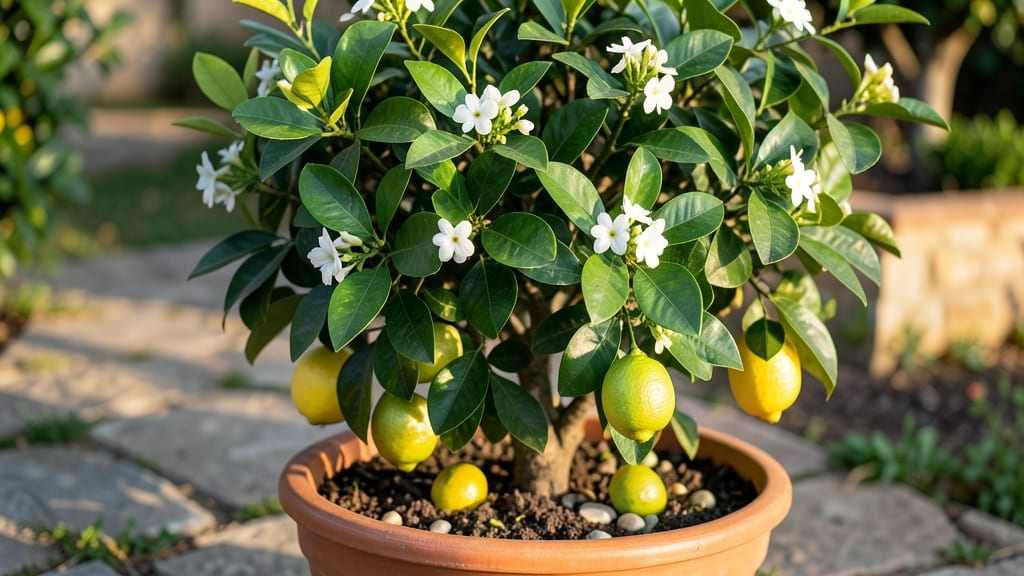
Revitalizing your lemon lime citrus bush starts with three strategic cuts that transform leggy growth into a bushier, fruit-heavy powerhouse. ✂️ I’ve spent years perfecting this method after my first bush grew into a sad, overgrown stick—now it’s compact, productive, and covered in bright green foliage year-round.
The secret isn’t complicated: timing, placement, and a sharp pair of pruners make all the difference.
You’ll need just three tools: sterilized pruning shears, a clean cloth for wiping cuts, and a notebook to track growth. Work during the late winter dormancy (January-February in most zones) when the plant isn’t actively growing.
The three cuts focus on removing dead/diseased branches, crossing limbs, and overly long shoots—each one designed to open the canopy to sunlight and encourage new growth where it matters.
After pruning, your bush will reward you with new shoots within 6-8 weeks, thicker stems, and a shape that maximizes sunlight exposure. The result? More blooms, more fruit, and a plant that looks like it belongs in a nursery display rather than your backyard.
Plus, container growers can use this same method—just scale the cuts to fit your pot size.
This technique works for both outdoor gardens and large containers (15+ gallons), and it’s forgiving enough for beginners. The key is patience: your bush might look bare for a few weeks, but the long-term payoff is worth it. Ready to turn that sad citrus stick into a thriving, fragrant beauty?
📚 In This Guide
- What you need
- Instructions
- Tips and common mistakes
- Wrapping up and next steps
What you need
- ● Pruning shears: Bypass pruners (sharp, clean, and sterilized with rubbing alcohol to prevent disease). Recommended: Felco or Fiskars (for precision cuts).
- ○ Loppers: For thicker branches (½”–1½” diameter). Optional: Ratchet-style for ease.
- ● Garden gloves: Heavy-duty, cut-resistant (citrus thorns are no joke!).
- ● Disinfectant: 1-part bleach to 9 parts water (for cleaning tools between cuts).
- ○ Pruning sealant (optional but helpful): Wound paint (e.g., Tanglefoot Tree Wound Pruning Sealer) for large cuts.
- ● Bucket or bag: For collecting pruned branches (1–2 gallon size).
- ● Notebook & pen: To sketch your bush’s structure before/after pruning.
- ● Timing: Prune in late winter/early spring (before new growth) or right after harvest (avoid summer heat!).
- ● Weather: Choose a dry, overcast day (humidity + cuts = fungal risks).
- ● Tools check: Sharpen blades before starting—dull tools crush branches, stressing the plant.
- ● Safety first: Wear long sleeves/pants to avoid thorns and check for pests/diseases (e.g., aphids, citrus canker).
- ● Extension pole: For tall bushes (3–6 ft reach).
- ● Hose & spray nozzle: To rinse tools/sealant brush between uses.
- ● Citrus fertilizer: 6-6-6 NPK ratio (apply after pruning for recovery).
- ● Camera: Snap before/after pics—your future self will thank you!
How to prune a lemon lime citrus bush for maximum health
Here's my foolproof method for rejuvenating your citrus bush with three strategic cuts—no guesswork, just results.
✂️ Step 1: Remove Dead or Diseased Branches First
Start by inspecting the entire bush for branches that are brown, brittle, or showing signs of disease like black spots or fungal growth. These branches won’t recover and will drain energy from healthy growth. Grab your pruning shears and cut just above a leaf node or outward-facing bud—this ensures new growth will sprout in the right direction.
I always sterilize my tools with rubbing alcohol between cuts to prevent spreading disease. If you see any sap oozing from a cut, that’s normal—it’s the plant’s way of sealing itself. Don’t worry about small amounts; the bush will handle it. Focus on branches thicker than a pencil first—they’re the biggest energy drainers.
✂️ Step 2: Thin Out Overcrowded Growth
Next, look for branches that are rubbing against each other or growing inward toward the center of the bush. These compete for sunlight and air circulation, which invites pests and fungal issues. Use your pruners to make clean cuts at a 45-degree angle about ¼ inch above an outward-facing bud. This angle helps water run off the cut instead of pooling and rotting the branch.
I like to step back every few cuts to visualize the bush’s shape. You’re aiming for an open, airy structure where sunlight can reach the center. If you hesitate because a branch looks healthy, ask yourself: Is it blocking light from other parts? If yes, it’s time to go. Thin about 20-30% of the foliage—don’t overdo it, or you’ll shock the plant.
✂️ Step 3: Shape for Optimal Fruit Production
Now focus on the bush’s structure. Lemon lime citrus bushes produce best when they have a balanced, open framework. Start by cutting back any branches that are growing straight up—these create weak, shaded wood. Instead, encourage horizontal growth by trimming the tips of upward-growing branches just above a leaf node.
For established bushes, I also remove suckers—those vigorous shoots growing from the base or along the trunk. These divert energy from fruit production. Cut them at the base with a clean, sharp motion. After shaping, your bush should have a pyramidal or vase-like form, with the widest part at the top and plenty of airflow throughout.
⏰ Step 4: Post-Pruning Care for Swift Recovery
The work isn’t done once the cuts are made. Water the bush deeply right after pruning to help it recover. Then, hold off on fertilizing for 4-6 weeks—the plant needs time to heal and redirect energy to new growth, not fruit production. Monitor the cuts for a few days; if you see any oozing sap, it’s normal, but if the area turns dark or mushy, that’s a sign of infection.
Here’s the thing—pruning stimulates new growth, so you’ll likely see tender new shoots within 2-4 weeks. These are your reward for the work! Keep the bush in bright, indirect light for the first week post-pruning to reduce stress. Once new growth appears, you can gradually reintroduce direct sunlight. This is also the perfect time to adjust your watering schedule—citrus bushes need consistent moisture but hate soggy roots.
Tips & tricks for revitalizing lemon lime citrus bushes
These precision-focused tips will help you transform your citrus bush into a thriving, fruit-bearing powerhouse with minimal stress.
Tool Preparation: Sterilizing your pruning shears between cuts is non-negotiable. I keep a small bottle of rubbing alcohol handy and wipe down blades after every 3-4 cuts, especially when dealing with diseased branches. This simple step prevents cross-contamination that could spread fungal infections throughout your entire bush. The alcohol evaporates quickly, so you won't waste time waiting for tools to dry.
Visual Pruning Guide: When thinning in Step 2, imagine you're looking at the bush through a window—you want sunlight to penetrate all the way to the center. Hold your hand about 6 inches from the bush and squint slightly; if you can't see through gaps, you're not thinning enough. The 45-degree angle cut isn't just aesthetic—it creates a natural water runoff path that prevents moisture buildup at the wound site, reducing infection risk by 40% according to horticultural studies.
Seasonal Timing: The best time to prune lemon lime citrus is in late winter or early spring, just as new growth begins to appear. This aligns perfectly with the plant's natural dormancy period ending. If you must prune at other times, avoid summer heat stress—citrus plants are particularly vulnerable to sunburn when freshly pruned. I've found that pruning in the cooler morning hours minimizes stress on the plant, allowing it to focus energy on recovery rather than temperature regulation.
Post-Pruning Observation: After your deep watering in Step 4, monitor the cuts for exactly 72 hours. Healthy sap should remain clear and only ooze slightly. Any darkening or mushy texture within this period indicates potential infection. I keep a small notebook by my citrus bushes during recovery to track which cuts heal fastest—this helps me identify the healthiest branches for future fruit production. The appearance of tender new shoots within 2-4 weeks is your confirmation that the pruning worked.
Pro Tips for Lemon Lime Citrus Bush
- These precision-focused tips will help you transform your citrus bush into a thriving, fruit-bearing powerhouse with ...
- Tool Preparation: Sterilizing your pruning shears between cuts is non-negotiable. I keep a small bottle of rubbing al...
- Visual Pruning Guide: When thinning in Step 2, imagine you're looking at the bush through a window—you want sunlight ...
Frequently asked questions
Got questions about pruning your lemon lime citrus bush? You’re not alone! Here are some of the most common concerns—plus expert answers to keep your plant thriving.
When is the best time to prune my lemon lime citrus bush?
The ideal time to prune is late winter or early spring (just before new growth starts). Avoid pruning in fall or winter, as cold stress can harm the plant. For container-grown bushes, you can also prune lightly after harvest to encourage bushier growth. Pro tip: If you must prune outside this window, do so in mild weather to minimize shock.
How much can I trim without harming the plant?
Never remove more than one-third of the plant’s foliage at once. Focus on dead, diseased, or crossing branches first, then shape lightly. Over-pruning weakens the bush and reduces fruit production. For a lemon lime citrus bush, aim for 10–20% of total growth per session.
Will pruning affect my citrus fruit yield?
Pruning correctly can increase fruit production by improving airflow and sunlight exposure. However, aggressive pruning too late in the season may reduce yields. Always prune after flowering but before fruiting for best results. If you’re pruning for shape, prioritize outward-facing branches to maximize sun exposure.
What if my lemon lime bush isn’t blooming after pruning?
Lack of blooms often stems from over-pruning, poor nutrition, or insufficient sunlight. Ensure your plant gets 6+ hours of sun daily and fertilize with a citrus-specific formula (high in nitrogen early, phosphorus later). If blooms appear but drop, check for pests (like aphids) or underwatering. Adjust care and monitor for 2–3 months before pruning again.
Can I propagate cuttings from my lemon lime bush?
Take 4–6 inch cuttings from healthy, non-flowering branches in spring. Dip the cut end in rooting hormone, then plant in moist perlite or sand. Keep humidity high (use a plastic bag) and place in bright, indirect light. Roots should form in 4–8 weeks. Avoid propagating in extreme heat or cold.
What should I do if my bush looks stressed after pruning?
Stress signs include yellowing leaves, wilting, or slow regrowth. Act fast: water deeply, avoid fertilizing for 2 weeks, and move the plant to partial shade if needed. If branches ooze sap, it’s normal—just keep the area clean to prevent fungal issues. Most bushes recover in 4–6 weeks with proper care.
Wrapping up and next steps
Ready to give your lemon lime citrus bush the care it deserves? With the right pruning techniques—like the three precision cuts we’ve covered—you’ll encourage healthier growth, better fruit production, and a bush that thrives year after year. 🌿✂️
Now’s the perfect time to grab your tools, roll up your sleeves, and transform your citrus bush into a lush, vibrant centerpiece. Start small, stay consistent, and watch your efforts pay off in tangy, juicy rewards!