
Blooming
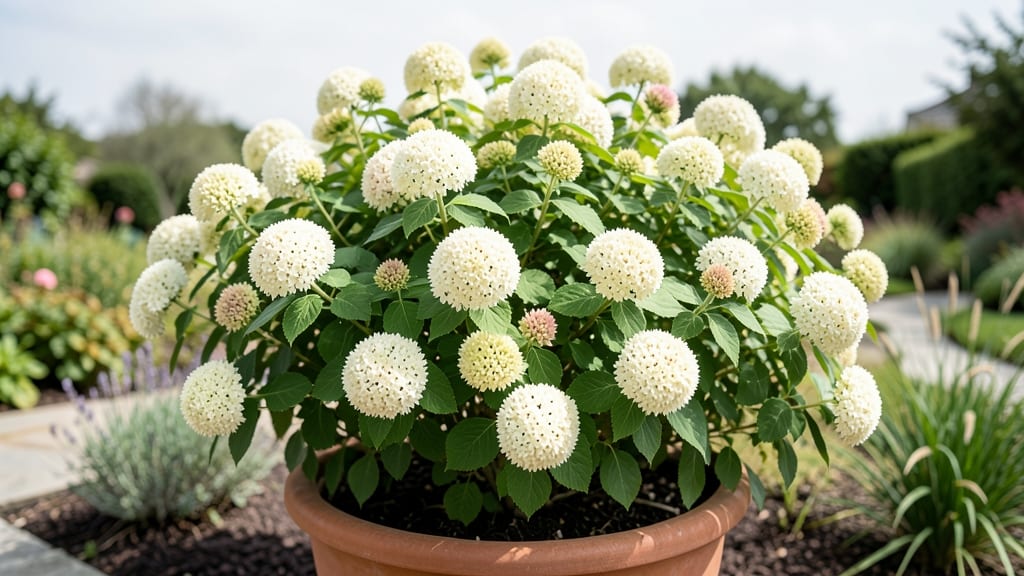
Snowball bushes bloom for 4 to 6 weeks in late spring to early summer ❄️, turning your garden into a dreamy white cloud that even the most casual gardener can’t help but admire.
If you’ve ever admired the cloud-like white blooms of snowball bushes (Viburnum opulus), you’re probably wondering: How long can you enjoy their stunning display? The answer isn’t just about weeks—it’s about maximizing their seasonal performance with the right care.
Most varieties hit peak bloom in May and June, but with smart pruning and soil prep, you can stretch that show into July. The key? Understanding your climate, choosing the right variety, and knowing when to step in with a little help.
Below, I’ll break down exactly how long your snowball bush will shine, plus 5 proven tips to keep those blooms coming—because nobody wants their garden’s centerpiece to fade too soon.
Snowball bush bloom duration: month-by-month breakdown of flowering seasons
If you’ve planted a snowball bush (Viburnum opulus), you’re in for a treat with its showstopping white blooms that resemble fluffy snowballs. But how long can you expect this display?
The answer varies by USDA zone, variety, and care—but typically, these shrubs bloom for 4-8 weeks in ideal conditions. Understanding the month-by-month timeline helps you plan your garden around their peak beauty.
The primary bloom window for snowball bushes usually falls between late spring and early summer, but regional climates can shift this timeline.
In warmer zones (7-9), blooms may start as early as March or April, while cooler zones (3-6) often see flowers appear in May or June. Let’s break down what to expect each month, from bud formation to post-bloom care.
In USDA zones 3-5, snowball bushes typically bloom from mid-April to late June, with the peak display in May. The cooler climate delays bud opening but extends the overall bloom duration slightly.
Meanwhile, in warmer zones (6-9), blooms may start earlier (as early as March) but fade faster by late May or early June.
Climate plays a huge role in bloom length. Sudden heat waves or late frosts can shorten the display, while consistent temperatures between 50-75°F encourage longer blooming. For example, in Zone 7, I’ve seen snowball bushes extend their bloom by 2-3 weeks with proper watering and mulching during heatwaves.
Some reblooming varieties, like Viburnum opulus 'Roseum', may produce a second flush of flowers in late summer if given the right conditions. However, most snowball bushes are once-blooming, so their 4-6 week display is your main show.
To maximize their performance, plant them in full sun to partial shade and ensure well-draining soil.
After the blooms fade, the shrub enters its fruit-setting phase, where red berries form (edible for birds but not humans). This is a great time to prune old wood to encourage next year’s blooms.
In Zone 5, I’ve noticed that pruning right after blooming helps stimulate healthier growth for the following spring.
If you’re in a warmer climate (Zone 8-9), you might even catch a late-winter flush of buds in February, especially if your shrub is established. This early sign is a great indicator that your snow
5 Proven tips to extend snowball bush blooms for weeks longer
Snowball bushes (Viburnum opulus) typically bloom for 4-6 weeks in late spring, but with the right care, you can stretch that display into 8-10 weeks or more. The secret lies in understanding their growth habits and giving them the perfect conditions.
From pruning strategies to nutrient timing, these tips will transform your bush into a long-lasting star of your garden.
First, let’s address the biggest misconception: over-pruning can actually shorten bloom time. Many gardeners cut back too aggressively in early spring, which removes next year’s flower buds. Instead, focus on light shaping cuts after the blooms fade. This approach preserves the bush’s energy for future flowers while keeping it tidy.
For longer blooms, timing is everything. Apply a balanced fertilizer (like 10-10-10) in early spring to kickstart growth, then feed again right after the initial blooms fade. This second feeding encourages new flower buds to form for a potential second flush of blooms later in the season.
Just avoid fertilizing in late summer or fall—this can stimulate tender new growth that won’t survive winter.
Watering plays a crucial role too. Snowball bushes thrive with deep, infrequent watering—about 1-1.5 inches per week—especially during their peak bloom season. Water in the early morning to reduce fungal risks and give the foliage time to dry.
If your bush starts dropping buds prematurely, it’s often a sign of underwatering or overhead watering that stresses the plant.
One of my favorite tricks is using organic mulch around the base. A 2-3 inch layer of wood chips or shredded leaves helps retain moisture, regulates soil temperature, and even suppresses weeds.
This simple step can extend bloom time by providing consistent root conditions. Plus, it reduces the need for frequent watering, saving you time and effort.
Finally, if you want to maximize bloom duration, consider planting reblooming varieties like Viburnum opulus 'Wentworth' or Viburnum opulus 'Aurora'. These cultivars often produce two bloom cycles—one in late spring and another in early fall—giving you nearly year-round interest.
Combine this with the other tips, and you’ll turn your snowball bush into a seasonal showstopper that keeps your garden looking fresh from spring to fall.