
Shrubs
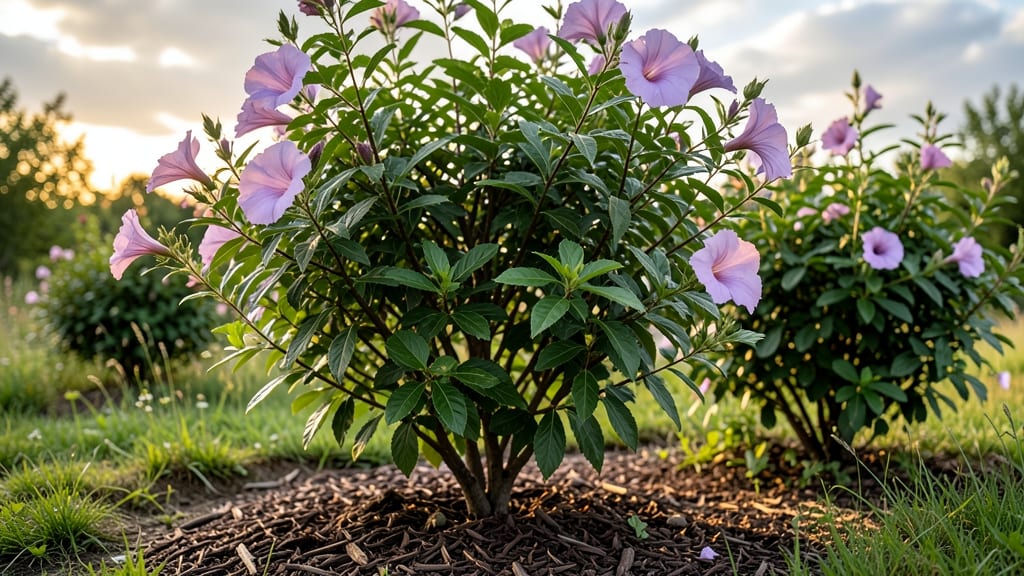
Caring for Rose of Sharon bushes (Hibiscus syriacus) is easier than you think once you grasp their effortless nature. 🌿 I’ve had mine bloom reliably for years with just a few key adjustments—no complicated pruning or constant attention required.
The secret lies in matching their natural habits to your garden’s conditions, and I’ll show you exactly how to do it without overcomplicating things.
These bushes love full sun but handle partial shade surprisingly well, making them perfect for small yards or urban gardens. They’re drought-tolerant once established, so watering becomes a non-issue after the first year.
The real magic happens in late summer when they burst into vibrant pink, purple, or white blooms that last for weeks—far longer than most roses.
Minimal pruning is the game-changer here. A quick cleanup in early spring keeps them compact and encourages healthier, fuller growth. I’ve seen bushes that were neglected for years bounce back with just a few strategic cuts.
The blooms come back bigger and more abundant every season, and pests rarely bother them.
Whether you’re dealing with overgrowth or just want to keep them looking their best, this care routine works for any climate. By the end, your Rose of Sharon will be the showstopper of your garden with almost no effort. Let’s get started!
📚 In This Guide
- What you need
- Instructions
- Tips and common mistakes
- Wrapping up and next steps
What you need
- ● Pruning shears: Sharp, bypass pruners (for clean cuts) – 1 pair (or loppers for thicker branches).
- ● Gloves: Heavy-duty gardening gloves (to protect from thorns) – 1 pair.
- ● Fertilizer: Balanced 10-10-10 granular fertilizer (spring/fall) – 1 lb per 10 sq ft.
- ○ Slow-release rose or shrub fertilizer (optional, for extra care) – as directed.
- ● Mulch: Organic mulch (shredded bark or compost) – 2–3 inches (spread in a 2–3 ft radius around the base).
- ● Watering can or hose: With a gentle spray nozzle (for deep watering).
- ○ Staking (optional): Bamboo stakes or garden ties (if young bushes need support).
- ● Sunlight: Full sun (6+ hours daily) – no compromises!
- ● Well-draining soil: Amend heavy clay with compost (1 part compost to 2 parts soil).
- ● Patience: Rose of Sharon thrives with minimal pruning—focus on shaping, not shearing!
Step-by-Step guide to caring for Rose of Sharon bushes
Here’s how I keep my Rose of Sharon thriving with simple, effective care—no complicated pruning required.
🌱 Step 1: Plant in Well-Draining Soil with Full Sun
Rose of Sharon loves full sun—at least 6-8 hours daily—so choose a spot where it gets morning light and afternoon shade if your climate runs hot. Dig a hole twice as wide as the root ball but no deeper, since these bushes hate having their crown buried. The soil should drain well; if yours is heavy clay, mix in 2-3 inches of compost to improve aeration.
Water deeply after planting to settle the soil around the roots, then let the top 2 inches dry out before watering again. Overwatering at this stage leads to root rot, which is a silent killer. You’ll know you’ve got the right balance when the soil feels like a damp sponge—not soggy, not bone-dry.
☀️ Step 2: Water Deeply but Infrequently
Once established, Rose of Sharon is drought-tolerant, but it still needs 1-1.5 inches of water weekly during dry spells. Water at the base, avoiding the foliage to prevent fungal diseases like black spot. I use a soaker hose for 20-30 minutes weekly during summer, which keeps the roots hydrated without wetting the leaves.
Check moisture by sticking your finger 2 inches deep—if it feels dry, it’s time to water. Mulch around the base with 2-3 inches of organic mulch (like shredded bark) to retain moisture and regulate soil temperature. This also suppresses weeds, which compete for nutrients and water.
✂️ Step 3: Prune Lightly in Late Winter or Early Spring
Minimal pruning is key—Rose of Sharon blooms on old wood, so avoid heavy cuts. In late winter or early spring, remove dead, diseased, or crossing branches first. Then, trim back any overly long stems by one-third to encourage bushier growth. Use clean, sharp pruners to make cuts just above a bud or outward-facing leaf.
Here’s the thing—don’t over-prune. If you cut too much, you’ll sacrifice next year’s blooms. I like to shape mine lightly, focusing on opening up the center for better airflow. You’ll see new growth emerge within 2-3 weeks, signaling the bush is happy and ready to bloom.
🌿 Step 4: Fertilize Sparingly for Healthy Growth
Rose of Sharon doesn’t need heavy feeding, but a balanced, slow-release fertilizer in early spring gives it a boost. I use a 10-10-10 formula at half-strength, applied around the drip line (the edge of the bush’s canopy). Avoid high-nitrogen fertilizers—they promote leafy growth at the expense of flowers.
After the first flush of blooms in summer, give it another light feeding with a low-nitrogen, high-phosphorus fertilizer (like 5-10-5) to encourage more flowers. Water the soil thoroughly before and after applying fertilizer to prevent root burn. You’ll notice stronger stems and more abundant blooms if the timing and type are right.
⏰ Step 5: Prepare for Winter Dormancy
In colder climates, protect your Rose of Sharon by wrapping the base with burlap or frost cloth once temperatures drop below 20°F. This shields the roots from freezing and thawing cycles, which can damage the plant. I also add a 4-inch layer of mulch around the base for extra insulation.
In milder winters, no extra care is needed—just let the bush go dormant naturally. Prune lightly in late winter to remove any dead wood, and you’re set for another season of stunning blooms. The key is consistency: minimal pruning, smart watering, and avoiding over-fertilizing. That’s all it takes for a Rose of Sharon to thrive year after year.
Tips & tricks for perfect Rose of Sharon care
These simple but game-changing strategies will help your Rose of Sharon bush thrive with minimal fuss—no green thumb required.
The Sunlight Secret: While 6-8 hours of sun is ideal, pay attention to your local climate. In hotter regions, morning sun with afternoon shade prevents leaf scorch. I've seen bushes in full afternoon sun develop crispy edges—trust me, it's not pretty. If your yard has limited sun options, choose a spot with at least 5 hours of morning light as a compromise. The key is observing how your bush reacts after a few weeks to adjust placement.
Watering Wisdom: That 20-30 minute soaker hose session might seem long, but think of it as a slow drink for your plant's roots. The goal is to wet the soil to 6 inches deep—not just the top layer. I test this by inserting a screwdriver after watering; if it goes in easily, you've hit the mark. Overwatering is the #1 killer of these bushes, so when in doubt, wait another day before watering again. The deep, infrequent approach builds stronger roots that can handle drought better.
Pruning Precision: When you're trimming those one-third cuts in Step 3, focus on creating an open center rather than just making the bush look neat. This airflow is crucial for preventing fungal diseases. I make my cuts at a 45-degree angle just above a bud that faces outward—this encourages new growth in the right direction. Remember, you're not just shaping the bush; you're setting it up for next year's blooms. The 2-3 week growth window after pruning is your best indicator that you've done it right.
Fertilizer Timing: That half-strength 10-10-10 application in early spring isn't just about quantity—it's about giving your bush a gentle nudge when it's waking up. I apply it when I see the first signs of new growth, usually when the forsythia in my yard starts blooming. The summer 5-10-5 feeding should happen right after you've removed the first flush of spent blooms. This timing ensures you're supporting new flower production rather than just leaf growth. Think of it as giving your bush a post-bloom energy boost for the next round of flowers.
Pro Tips for Caring For Rose Of Sharon Bushes
- These simple but game-changing strategies will help your Rose of Sharon bush thrive with minimal fuss—no green thumb ...
- The Sunlight Secret: While 6-8 hours of sun is ideal, pay attention to your local climate. In hotter regions, morning...
- Watering Wisdom: That 20-30 minute soaker hose session might seem long, but think of it as a slow drink for your plan...
Frequently asked questions
Got questions about keeping your Rose of Sharon bushes happy and healthy? You’re not alone! Here are some of the most common concerns—and their simple solutions.
How often should I water my Rose of Sharon bush?
Water deeply 1-2 times per week during the first growing season to establish roots. Once established, they’re drought-tolerant but thrive with 1 inch of water per week (including rainfall). Pro tip: Mulch around the base to retain moisture and reduce evaporation.
When is the best time to prune my Rose of Sharon?
Prune late winter or early spring (just before new growth starts) to shape the bush and encourage blooms. Avoid heavy pruning in fall—it can stimulate tender new growth that won’t survive winter. Fun fact: These bushes bloom on old wood, so don’t over-prune!
What pests or diseases should I watch for?
Keep an eye out for aphids, spider mites, and powdery mildew. Treat pests with neem oil or insecticidal soap, and improve airflow to prevent mildew. Prevention tip: Water early in the day so foliage dries quickly.
Can I grow Rose of Sharon in containers?
Yes! Choose a large container (at least 15 gallons) with drainage holes and use well-draining soil. They’ll need more frequent watering in pots and may require winter protection in cold climates (move indoors or wrap the pot). Bonus: Containers let you move them to catch sunlight!
Why aren’t my Rose of Sharon bushes flowering?
Lack of blooms often means too much pruning, poor sunlight, or over-fertilizing with nitrogen. Ensure they get 6+ hours of sun daily and prune lightly. Switch to a balanced bloom-boosting fertilizer in spring. Patience tip: Young bushes may take 2-3 years to flower!
Wrapping up and next steps
Caring for your Rose of Sharon bushes doesn’t have to be complicated—just consistent! With the right balance of watering, pruning, and seasonal attention, these stunning shrubs will reward you with vibrant blooms year after year. 🌸
Now that you’re armed with expert tips, roll up your sleeves and give your bushes the love they deserve. Start by scheduling your next pruning session—whether it’s shaping for spring or cleaning up after winter—and watch your garden flourish!
For extra inspiration, browse our guide on companion plants to create a show-stopping landscape.