
Pruning
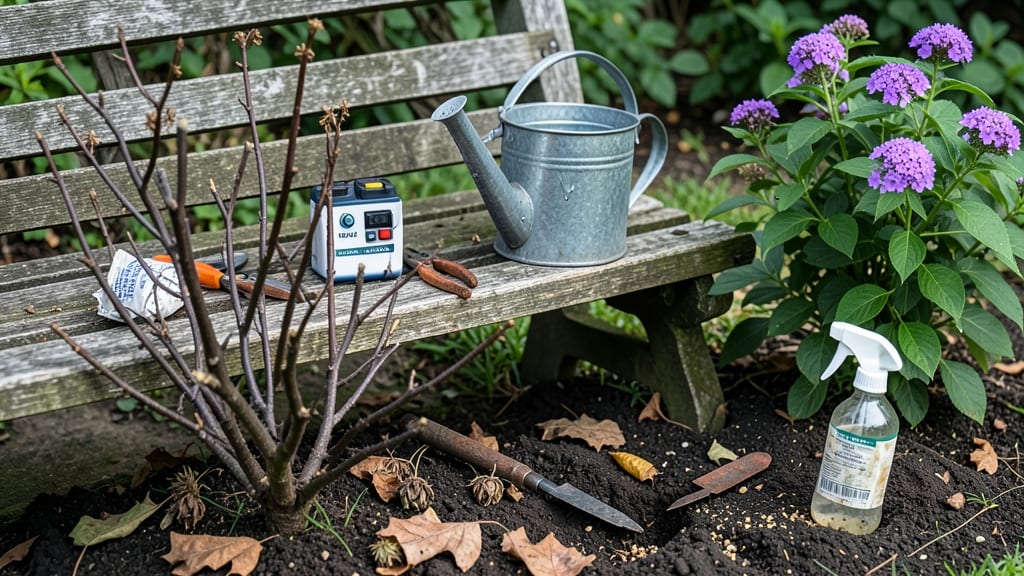
Why did my butterfly bush die? There’s always a reason behind the decline—and your Buddleia might just need a little help to bounce back. 🌿 I’ve nursed more of these back from the brink than I’d like to admit, and the first step is figuring out what went wrong. Was it too much water, not enough sun, or something sneaky like powdery mildew? Let’s cut through the guesswork and get to the root of the problem.
Most Butterfly Bushes fail because of three big mistakes: overwatering (which drowns roots), nutrient deficiencies (especially in poor soil), or pest attacks (like spider mites). I’ve seen healthy plants turn crispy in weeks when these issues pile up.
The good news? Each problem has a fix—and some plants bounce back faster than you’d expect if you catch it early.
By the end of this, you’ll know exactly how to diagnose the issue (yes, even if the leaves look uniformly sad) and what to do next—whether that’s pruning back dead growth, adjusting your watering schedule, or giving it a nutrient boost. Trust me, your Butterfly Bush can make a comeback.
We’ll also cover how to prevent this from happening again, so next season, your plant thrives instead of struggles. No more guessing—just actionable steps to bring it back to life. Let’s get started.
Hidden Killers Behind Your Bush’s Demise
Butterfly bushes (Buddleia davidii) are hardy survivors—but even the toughest can succumb to unseen threats. Understanding the root causes of their decline is the first step to revival.
Below, we break down the most common culprits, backed by science, and what you can do to prevent them from striking again.
Butterfly bushes thrive in USDA Zones 5-9, but extreme heat or frost can push them past their limits. Here’s how it happens:
- Heat Stress: Prolonged temperatures above 90°F (32°C) cause wilting, leaf scorch, and stunted growth. The plant’s stomata (pores) close to conserve water, but this halts photosynthesis, leading to nutrient depletion. 🌡️ Symptoms: Yellowing leaves, crispy edges, and a general "cooked" appearance.
- Cold Damage: Frosts below 15°F (-9°C) can kill the plant’s vascular system, preventing water and nutrient transport. Symptoms: Blackened stems, mushy tissue, or sudden leaf drop—even if the roots seem intact.
Actionable Fix:
- ✅ Mulch heavily (3-4 inches of organic mulch) to regulate soil temp.
- ✅ Provide afternoon shade in Zone 9+ during peak summer.
- ✅ Choose cold-hardy cultivars like ‘Lo & Behold® Purple’ (Zone 4-resistant).
Butterfly bushes are drought-tolerant, but soggy soil is their nemesis. Here’s the science:
- Root Rot: Phytophthora and Pythium fungi thrive in waterlogged soil, clogging the plant’s xylem (water-transporting vessels). Symptoms: Yellowing leaves, soft stems, and a foul odor at the base.
- Oxygen Starvation: Compacted or clay soil cuts off oxygen, suffocating roots. Symptoms: Wilting despite moist soil, slow growth, or stunted new shoots.
Actionable Fix:
- ✅ Test your soil—ideal moisture should feel like a wrung-out sponge. DIY test here.
- ✅ Amend soil with perlite or sand (20% mix) if clay-heavy.
- ✅ Water deeply but infrequently—1-1.5 inches per week in dry spells, less in winter.
Butterfly bushes attract pollinators but also pests and pathogens that drain their vitality. The worst offenders:
| Pest/Disease | How It Attacks | Tell-Tale Signs |
|---|---|---|
| Spider Mites | Pierce leaves to suck sap, weakening photosynthesis. Thrive in dry heat. | Tiny webs on undersides, stippled (speckled) yellow leaves. |
| Powdery Mildew | Fungal infection clogs stomata, blocking gas exchange. Spreads in humid, shaded conditions. | White powdery coating on leaves; leaves yellow and drop. |
| Canker (Bacterial or Fungal) | Infects stem wounds, cutting off nutrient flow. Common after pruning cuts. | Sunken, oozing lesions on stems; wilting branches. |
Actionable Fix:
- ✅ Spray neem oil (for mites/mildew) or copper fungicide (for canker) at first sign.
- ✅ Prune infected stems 6 inches below damage with sterilized shears.
- ✅ Encourage airflow—thin dense growth and space plants 3-5 feet apart.
Butterfly bushes are light feeders, but poor soil leads to slow decline. Key deficiencies:
- Nitrogen (N) Deficiency: Leads to chlorosis (yellowing leaves) because nitrogen is critical for chlorophyll. Symptoms: Pale green/yellow leaves, stunted growth.
- Phosphorus (P) Deficiency: Stunts root and flower development. Symptoms: Dark green leaves with purple stems, few blooms.
- Potassium (K) Deficiency: Weakens cell structure, making plants prone to disease. Symptoms: Yellowing leaf edges ("scorch"), weak stems.
Actionable Fix:
- ✅ Test soil pH (ideal: 6.0-7.0). Adjust with lime (raise pH) or sulfur (lower pH).
- ✅ Fertilize lightly in spring with a balanced 10-10-10 or organic compost.
- ✅ Avoid over-fertilizing—butterfly bushes prefer lean soil! Too much nitrogen = leafy but no flowers.
Improper pruning can kill butterfly bushes faster than you think. Here’s how:
- Over-Pruning: Cutting into old wood (more than 3 years old) removes the plant’s energy reserves. Symptoms: No new growth, bare stems.
- Wrong Time: Pruning in late fall/winter (dormant season) can expose tender new growth to frost damage.
- Dirty Tools: Bacteria/fungi on shears can introduce canker or root rot.
Actionable Fix:
- ✅ Prune in early spring (just as new shoots emerge) or right after flowering.
- ✅ Never cut more than 1/3 of the plant in one season.
- ✅ Sterilize tools with rubbing alcohol between cuts.
Revive Your Butterfly Bush Now
Don’t let a dead butterfly bush dim your garden’s beauty! With the right fixes, you can bring it back to life—and keep it thriving. Below, we’ve mapped out practical, step-by-step solutions for each common cause of decline, plus prevention tips to avoid future heartbreak. Let’s get your bush blooming again!
If your butterfly bush is drowning in soggy soil, it’s time to drain the drama and restore balance.
🔥 Step 1: Stop Watering Immediately
- Let the soil dry out completely before watering again. Stick your finger 2 inches into the soil—if it’s damp, wait another day.
🍳 Step 2: Improve Soil Drainage
- Mix in coarse sand, perlite, or gravel (1 part amendment to 3 parts soil) to loosen compacted roots.
- If planting in containers, ensure pots have drainage holes and use a well-draining potting mix.
👨🍳 Step 3: Prune Affected Areas
- Trim back any mushy, blackened stems (use sterilized pruners) to prevent fungal spread.
⏰ Prevention Tips
- Water deeply but infrequently—butterfly bushes prefer dry spells between soakings.
- Avoid planting in low-lying areas where water pools.
- 💡 Pro Tip: Mulch with gravel or bark (not organic mulch) to keep roots dry.
Wilting leaves and crispy edges? Your bush might be thirsty or overheated. Here’s how to hydrate and cool it down.
🥘 Step 1: Water Slowly and Deeply
- Water at the base of the plant (not the leaves) for 10–15 minutes until the soil is moist 6 inches down.
- Morning watering is best to reduce evaporation.
🌡️ Step 2: Provide Shade Relief
- If temperatures exceed 90°F (32°C), shield the bush from direct afternoon sun with a light shade cloth (30–50%).
- Move potted bushes to a shadier spot temporarily.
🎯 Step 3: Boost Humidity (For Containers)
- Place the pot on a tray of pebbles with water (evaporation increases humidity).
- Mist leaves early in the morning to prevent fungal issues.
✨ Prevention Tips
- Water consistently—butterfly bushes hate moisture swings.
- Mulch with straw or wood chips to retain soil moisture.
- 💡 Pro Tip: Group plants together to create a microclimate that holds humidity.
Yellowing leaves, black spots, or chewed foliage? Pests or fungi could be the culprits. Act fast to save your bush!
🔪 Step 1: Identify the Problem
- Fungal disease? Look for powdery mildew (white powder) or black spots (target-shaped).
- Pests? Check for aphids, spider mites, or Japanese beetles on undersides of leaves.
🧼 Step 2: Treat Fungus
- Remove infected leaves and dispose of them in the trash (don’t compost).
- Spray with a copper fungicide or neem oil solution (1 tbsp neem oil + 1 quart water + a drop of dish soap).
🐜 Step 3: Combat Pests
- Aphids/mites: Blast off with a strong stream of water, then spray with insecticidal soap.
- Japanese beetles: Handpick them into soapy water or use milky spore powder for long-term control.
🌿 Prevention Tips
- Space plants 3–5 feet apart for airflow.
- Avoid overhead watering—water at the base instead.
- 💡 Pro Tip: Encourage beneficial insects like ladybugs by planting dill or marigolds nearby.
Frost-bitten stems or brown, brittle branches? Your butterfly bush might have suffered winter damage. Don’t worry—it can bounce back!
🌟 Step 1: Prune Dead Wood
- Cut back black, mushy, or hollow stems to healthy green wood (use sterilized pruners).
- Wait until spring if unsure—new growth will reveal what’s truly dead.
🌱 Step 2: Fertilize for Recovery
- Apply a balanced, slow-release fertilizer (10-10-10) in early spring to encourage regrowth.
🏡 Step 3: Protect Next Winter
- Mulch heavily (4–6 inches of straw or shredded leaves) around the base.
- Wrap young bushes in burlap if your winters drop below 10°F (-12°C).
🔥 Prevention Tips
- Choose cold-hardy varieties like ‘Fast Grow’ or ‘Munroe’ for zones 5–9.
- Avoid late-season pruning—it removes protective buds for winter.
- 💡 Pro Tip: Plant in south-facing locations to maximize winter sun exposure.
With these fixes, your butterfly bush should perk up in no time. Monitor its progress, adjust care as needed, and soon you’ll be enjoying those vibrant blooms and fluttering butterflies again! 🦋🌸
Frequently asked questions
My butterfly bush leaves turned yellow—what does that mean?
Yellowing leaves usually signal overwatering or nutrient deficiencies. Check the soil moisture first—if it's soggy, you're likely drowning the roots. For nutrient issues, look for pale yellow leaves (nitrogen deficiency) or purple stems (phosphorus deficiency). Test your soil and adjust care accordingly.
Can I still save my butterfly bush if the stems are black and mushy?
That's a classic sign of root rot from overwatering. Prune back all blackened stems to healthy green wood, then improve drainage by amending the soil with perlite or sand. Move to a sunnier spot and water only when the top 2 inches of soil are dry. Recovery is possible if roots are still intact!
Why did my butterfly bush die suddenly after flowering?
Sudden decline after flowering often means exhaustion from blooming or pest infestations like spider mites. Check leaves for webbing or tiny dots. Prune back 1/3 of the plant to encourage new growth, and treat pests with neem oil. Avoid fertilizing heavily—these plants prefer lean soil.
Is it too late to revive my butterfly bush if it's completely bare?
Not necessarily! Butterfly bushes are tough. Dig up the root system and check for live green roots. If you find any, prune back all dead wood to healthy growth points, replant in well-draining soil, and water lightly. New shoots should emerge in 4-6 weeks if roots are still alive.
How can I prevent my butterfly bush from dying next year?
Focus on three key habits:
- Water deeply but infrequently (1-1.5 inches per week),
- Prune in early spring to remove dead wood, and
- Choose a sunny spot with well-draining soil. Mulch with gravel to prevent soil compaction, and avoid heavy fertilizers. These simple steps keep most issues at bay!