
Blooming
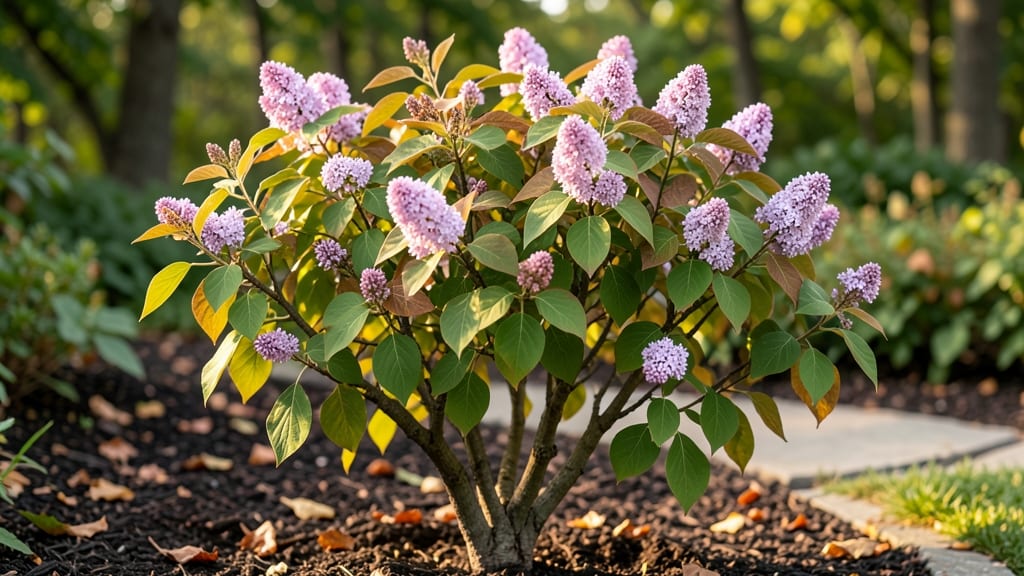
Fall-blooming lilacs aren’t just a surprise—they’re a sign your bush is thriving. 🌿 Some late-blooming varieties like 'Bloomerang' or 'Dwarf Korean' naturally produce a second flush of fragrant blossoms when days grow shorter, while others respond to smart pruning or stress.
The result? A second wave of intoxicating purple or white blooms when most gardens have gone quiet.
This isn’t just about pretty flowers—it’s your bush’s way of adapting. Cool fall nights followed by warm days trigger blooming in certain cultivars, while strategic pruning (cutting back after the first flush) can encourage reblooming.
Even stressed bushes might put on a late show, though their blooms may be smaller. The key is recognizing whether it’s a natural cycle or a sign of trouble.
You’ll end up with extended fragrance, longer pollinator visits, and a garden that stays showstopping when neighbors are packing up for winter. The trade-off? Some energy goes to late blooms instead of next year’s buds, so balance is everything.
For most gardeners, this is a win—just don’t expect the same volume as spring.
If your lilac is reblooming but looking ragged, it might need better care next season. Focus on consistent watering, mulching, and avoiding heavy pruning after Labor Day. For others, this is simply nature’s bonus round—and the scent alone makes it worth it.
Late Blooms Explained
When your lilac bush (typically Syringa vulgaris) surprises you with fragrant blooms in fall instead of its usual spring display, it’s not just a random quirk of nature—it’s a response to specific environmental and horticultural cues.
Understanding these triggers can help you encourage (or discourage) this behavior, depending on your goals. Let’s break down the science behind why lilacs sometimes bloom out of season.
Lilacs are deciduous shrubs that rely on seasonal temperature shifts to regulate their growth cycles. Normally, they bloom in spring after a period of winter dormancy, triggered by chilling hours (a minimum of 500–1,000 hours below 45°F/7°C). However, if your region experiences:
- Unusually warm winters: Mild temperatures may prevent the bush from entering full dormancy, confusing its internal clock. Without proper chilling, the plant may skip spring blooms and instead respond to heat spikes in fall as a signal to flower.
- Sudden temperature swings: A hot summer followed by a brief cold snap (like early fall frost) can shock the lilac into thinking winter is near, prompting a late bloom cycle.
- Urban heat islands: Concrete and pavement retain heat, creating microclimates where lilacs experience fewer true "winter" conditions, leading to delayed or repeated blooming.
Actionable fix: If you want to prevent fall blooms, ensure your lilac gets consistent winter chilling. In warmer climates, consider selecting cold-hardy cultivars like Syringa meyeri or Syringa oblata, which are less sensitive to temperature anomalies.
Pruning is a double-edged sword for lilacs. When done incorrectly, it can trigger late-season growth spurts, including unexpected flowers. Here’s how:
- Late-summer pruning (July–August): Lilacs bloom on old wood (last year’s growth), so pruning too late removes next year’s flower buds. However, if you prune lightly in early fall (September), you may stimulate new, weak growth that flowers prematurely as a stress response.
- Over-pruning or shearing: Aggressive cuts (especially if you shape the bush like a hedge) can shock the plant into producing multiple weak flushes of growth, including flowers, to compensate for lost energy.
- Removing spent blooms too late: If you don’t deadhead lilacs after spring blooms, the plant may redirect energy into seed production instead of dormancy. But if you do prune aggressively in fall to "clean up," you might accidentally signal the bush to grow again.
Actionable fix:
- ✅ Prune lilacs immediately after spring blooming (May–June) to avoid stimulating fall growth.
- ✅ Use sharp, clean cuts just above a bud or branch collar—never shear.
- ✅ Avoid pruning in late summer or fall unless you’re preparing for winter (e.g., removing dead wood).
Lilacs are drought-tolerant once established, but inconsistent watering or over-fertilization can disrupt their natural cycle. Here’s how:
- Excessive moisture in fall: Overwatering or poor drainage can delay dormancy, keeping the roots active. The plant may interpret this as a signal to grow, leading to late blooms.
- High-nitrogen fertilizer late in the season: Nitrogen promotes leafy growth, not flowers. If applied in summer or fall, it can trick the lilac into producing new shoots—and sometimes, flowers—as a last-ditch effort to use up excess nutrients.
- Sudden drought stress: If a lilac is watered heavily all summer but then faces a dry spell in early fall, it may panic-grow to survive, including producing flowers.
Actionable fix:
- 💡 Water deeply but infrequently in late summer/fall—aim for 1–1.5 inches per week, then taper off as winter approaches.
- 🌡️ Avoid fertilizing after July; switch to a balanced or low-nitrogen formula (like 5-10-10) in early spring only.
- 🔥 Mulch properly: Apply 2–3 inches of organic mulch (like shredded bark) in early fall to regulate soil temperature and moisture.
Lilacs, like many plants, can bloom as a survival mechanism when stressed. Common triggers include:
- Transplant shock: If you moved your lilac in late summer or early fall, the stress of uprooting and adapting can accelerate flowering as the plant tries to reproduce before winter.
- Pest or disease damage: Heavy infestations (e.g., borers, aphids) or fungal issues (like powdery mildew) can weaken the bush, causing it to bloom prematurely to conserve energy.
- Root disturbance: Construction, foot traffic, or even overly competitive neighboring plants can stress the roots, leading to erratic growth patterns.
Actionable fix:
- 🛡️ Inspect for pests regularly; treat with neem oil or insecticidal soap if needed.
- 🌱 Avoid transplanting in fall—wait until early spring for best results.
- ✨ Improve soil health with compost to reduce stress; lilacs thrive in well-draining, slightly alkaline soil (pH 6.5–7.5).
Revive Late Blooms Naturally
Late-season lilac blossoms can feel like a magical surprise—until they disrupt your garden’s rhythm. Whether your lilac is rebelling against its usual spring schedule or struggling to thrive, these practical, step-by-step solutions will help you reclaim control.
Below, we’ve mapped common causes to fixes you can apply today, plus prevention tips to keep your bush blooming on time next year.
Fix: Reset the Growth Cycle Lilacs bloom on old wood (last year’s growth), so aggressive summer pruning or cutting back too late can trick the bush into thinking winter’s already here—triggering fall blooms. Here’s how to correct it:
- 🔥 Stop Pruning Now Avoid trimming lilacs after mid-August. If you’ve already pruned this year, don’t panic—just pause further cuts.
- 🍳 Prune Correctly Next Spring
- Wait until after blooming (late spring/early summer) to prune.
- Remove only dead, crossing, or overly crowded branches—never cut into old wood.
- Use clean, sharp shears to make angled cuts just above a bud or branch collar.
- 👨🍳 Feed for Balance Apply a slow-release, balanced fertilizer (10-10-10) in early spring to encourage strong new growth without overstimulating fall blooms.
Fix: Hydrate and Shield Drought or extreme summer heat can shock lilacs into early—or late—blooming as a survival tactic. Replenish their energy with these steps:
- 💧 Deep Water Weekly Lilacs need 1–2 inches of water per week (more in extreme heat). Water deeply at the base (not overhead) to encourage root growth.
- 🌿 Mulch Like a Pro Spread 2–3 inches of organic mulch (wood chips, shredded bark) around the base, keeping it 6 inches away from the trunk. This retains moisture and regulates soil temperature.
- 🌡️ Provide Afternoon Shade If your lilac is in a hot, sunny spot, add temporary shade (like a lightweight shade cloth) during peak afternoon heat (1–4 PM).
Fix: *Test and Amend Soil Lilacs thrive in well-draining, slightly alkaline soil (pH 6.5–7.5). If your soil is compacted, depleted, or too acidic, blooms may appear erratically.
- 📊 Test Your Soil Use a DIY soil test kit (available at garden centers) or send a sample to your local cooperative extension office for a full analysis.
- 💪 Amend the Soil
- For acidic soil: Sprinkle lime (follow package rates) in early fall or spring.
- For nutrient-poor soil: Add aged compost or a slow-release granular fertilizer in early spring.
- ✨ Boost with Micronutrients Lilacs need magnesium and potassium for blooming. Apply Epsom salt (magnesium sulfate) in early spring or use a balanced bloom booster like 5-10-10.
Fix: Inspect and Treat Early Pests (like borers, aphids, or spider mites) or diseases (such as powdery mildew) can weaken lilacs, causing erratic blooming. Act fast to restore health:
- 🔍 Identify the Problem
- Holes in bark/stems? → Borer infestation (treat with beneficial nematodes or neem oil).
- White powdery coating? → Powdery mildew (spray with baking soda solution or fungicide).
- Sticky residue or curled leaves? → Aphids/spider mites (blast off with water or use insecticidal soap).
- 🌿 Prune Infected Branches Remove and dispose of (not compost) any heavily damaged branches immediately.
- 🛡️ Prevent Future Outbreaks
- Space plants properly (3–5 feet apart) for airflow.
- Water at the base (not leaves) to reduce fungal spores.
- Apply neem oil preventatively in early spring.
Want to avoid fall blooms entirely? Follow this simple checklist to keep your lilac on schedule:
- ✅ Prune at the right time (only after blooming, never in summer/fall).
- ✅ Water deeply but infrequently (encourages deep roots).
- ✅ Mulch annually to maintain soil moisture and temperature.
- ✅ Monitor for pests with regular inspections (especially after rain).
- ✅ Fertilize in early spring (avoid late-season feeding).
Pro Tip: 💡 If your lilac does bloom in fall, let it go—the flowers won’t harm the plant, and the seeds may attract wildlife. Just prune lightly after blooming to shape it for next spring!
Frequently asked questions
Are fall-blooming lilacs normal, or is something wrong with my plant?
Fall blooms aren't always a sign of trouble! Some late-season cultivars like 'Bloomerang' or 'Dwarf Korean' naturally produce second flushes. However, if your lilac isn't a known rebloomer, it may be responding to stress like transplant shock, pest damage, or temperature fluctuations. Check for pests and inspect the bush's overall health—vigorous growth with fragrant blooms is usually positive!
Can I prune my lilac after it blooms in fall to encourage spring flowers?
Yes, but do it carefully! Prune lightly after fall blooms (by November) to remove dead or damaged branches. Avoid heavy pruning—lilacs bloom on old wood, so aggressive cuts now could reduce next spring's flowers. Wait for late spring (after blooming) for major shaping if needed. Always use clean, sharp shears.
Will fall blooms affect next year's spring display?
Possibly, but not always dramatically. Late blooms draw energy from the plant, which could slightly reduce next spring's bloom size if the bush is already stressed. To maximize spring flowers: stop fertilizing after July, water consistently (1-2 inches weekly), and prune only after spring blooming. Healthy roots and balanced care help the plant recover.
Are there lilac varieties that bloom reliably in fall?
Yes! Look for these reblooming cultivars designed for extended seasons:
- 'Bloomerang' (purple, 2-3 flushes)
- 'Dwarf Korean' (compact, white/pink)
- 'Miss Kim' (dwarf, lavender)
- 'Lilac Charm' (pink, disease-resistant)
How can I tell if my lilac's fall blooms are healthy or a sign of trouble?
Healthy fall blooms will have:
- Vibrant color (no yellowing or browning)
- Strong fragrance (not musty or weak)
- Firm stems (not soft or mushy)