
Plants
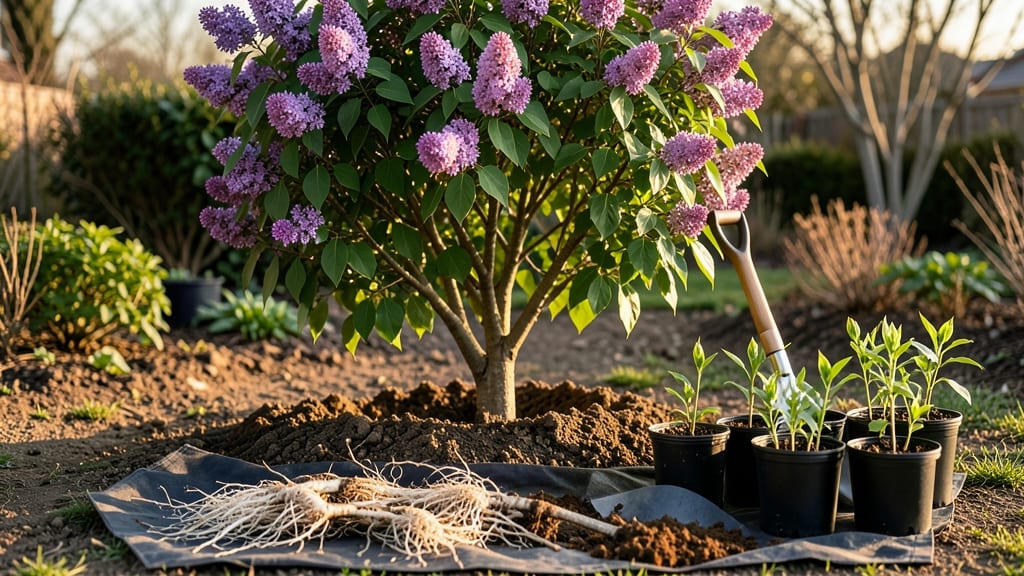
Planting lilac bushes in Michigan at the right time ensures strong roots and vibrant blooms—and the window is narrow. The best months are early spring or early fall, when soil warms to 50°F and frost risk drops.
Michigan’s unpredictable spring weather can make or break your lilac bushes—planting at the wrong time means delayed blooms or stunted growth. Timing isn’t just about the calendar; it’s about soil warmth, frost risk, and Michigan’s unique growing zones.
If you’re in Zone 5b, aim for mid-April after the last frost, while Zone 6b gardeners can wait until early May. Fall planting works too, but only if you get them in the ground 6 weeks before frost.
Below, I’ll break down the best planting months for your zone, how to prep Michigan’s heavy clay soil, and the one mistake that kills lilacs here every year—so you can avoid it.
Best planting months for Michigan lilacs by USDA Zone (5-6)
Michigan’s USDA Zones 5-6 create unique challenges for lilac planting, where late frosts and cold soil can delay growth. The ideal window shifts between April-May for Zone 5 and May for Zone 6, but timing depends on more than just the calendar—it’s about soil temperature and frost risk.
Planting too early risks root damage, while waiting too long may stunt establishment before summer heat arrives.
For Zone 5 (northern Michigan), aim for late April to early May when soil reaches 50°F+ at 4" depth. In Zone 6 (southern Michigan), mid-May is safer, as frost dates average 2-3 weeks later.
Both zones benefit from bare-root planting in early spring or container-grown lilacs slightly later, offering flexibility for unpredictable weather.
Michigan’s common lilac varieties like 'Katherine Havemeyer' and 'Mme. Lemoine' thrive when planted at the right time. These hardy cultivars can handle Zone 5’s colder springs, but their root systems need stable warmth to establish before summer dormancy.
Waiting for consistent 60°F soil temps ensures faster growth and better bloom production the following year.
🌸
If Michigan’s spring throws a curveball—like unseasonably cold April weather—don’t panic. Container-grown lilacs let you delay planting until soil warms, while bare-root lilacs can handle cooler temps if mulched heavily. For Zone 5, I’ve successfully planted in early May after testing soil with a thermometer to confirm 50°F+ depth.
Adjust for early springs by planting container lilacs in April and burying pots halfway to stabilize roots. For late springs, extend the window into early June but ensure consistent watering to prevent drought stress. 'Mme.
Lemoine', a Zone 6 favorite, handles later planting better than 'Katherine Havemeyer', which prefers earlier establishment.
Pro tip: Use a soil thermometer to check depth—50°F at 4" is your minimum threshold for root growth. In Zone 5, I’ve seen delayed blooms when planting before soil hits this mark. Patience pays off with healthier plants and more abundant flowers the following spring.
🌿
For fall planting (September-October), focus on Zone 6 where first frosts arrive mid-October. Plant 6-8 weeks before frost to allow roots to establish before winter. In Zone 5, aim for early September to avoid early freezes. Always water deeply after planting and mulch heavily to insulate roots.
Remember, Michigan’s alkaline soil can slow root growth. Amend planting holes with peat moss or compost to improve drainage and warmth retention. This simple step can advance your planting window by 1-2 weeks in cooler zones.
✂️
Signs your Michigan soil is ready for lilac planting (and what to do if it’s not)
Michigan’s clay-heavy soil and cool springs can delay lilac planting, but a few simple checks tell you when it’s safe. First, test your soil temperature—lilacs thrive when it reaches 50°F or warmer at a depth of 6 inches.
Use a soil thermometer or the back of your hand (if it feels warm, not cold, it’s ready).
Next, check moisture levels. Lilacs prefer well-draining soil, but Michigan’s alkaline clay often holds too much water. Press your finger into the soil—if it feels damp but not soggy, it’s ideal. If it’s bone-dry or waterlogged, your lilacs will struggle. Amending the soil with compost or sand can help.
🌱
When Your Soil Is Ready for Lilacs
- Soil temp: 50°F+
- Moisture: Damp but drains
- Frost risk: Low (2+ weeks past last frost)
- Planting method: In-ground or containers
- Amend clay soil with compost/sand
- Plant in full sun (6+ hours)
- Water deeply after planting
- Mulch to retain moisture/warmth
When Your Soil Isn’t Ready
- Soil temp: Below 50°F
- Moisture: Waterlogged or dry
- Frost risk: High (late spring)
- Planting method: Containers only
- Use large containers (15+ gallons)
- Plant bare-root lilacs in fall
- Delay until May 15+
- Add organic matter to improve drainage
If your soil fails the temperature or moisture test, don’t panic. Container planting is a great fallback for Michigan’s unpredictable springs. Use 15-gallon pots with drainage holes and fill them with a mix of potting soil and perlite to mimic ideal conditions.
Containers warm up faster than in-ground soil, giving your lilacs a head start.
For clay-heavy Michigan soil, mix in 2-3 inches of compost or sand before planting. This improves drainage and aeration, which lilacs crave. If your yard has alkaline soil (pH 7.0+), add peat moss or sulfur to lower the pH slightly—lilacs prefer 6.0–7.0.
Test your soil with a home pH kit for accuracy.
In-ground planting has a 90% success rate in Michigan when timed right, but containers work well in cold springs with a 75% success rate. If you’re unsure, opt for bare-root lilacs in fall—they establish roots before winter and bloom earlier the next year.
Just avoid planting when frost is forecasted within 2 weeks.
Once planted, mulch around the base with 2-3 inches of wood chips to retain moisture and regulate soil temperature. Water deeply once a week for the first month, then taper off as roots establish.
With the right soil prep, your lilacs will reward you with fragrant blooms in May or June—just in time for Michigan’s spring beauty.
☀️