
Plants
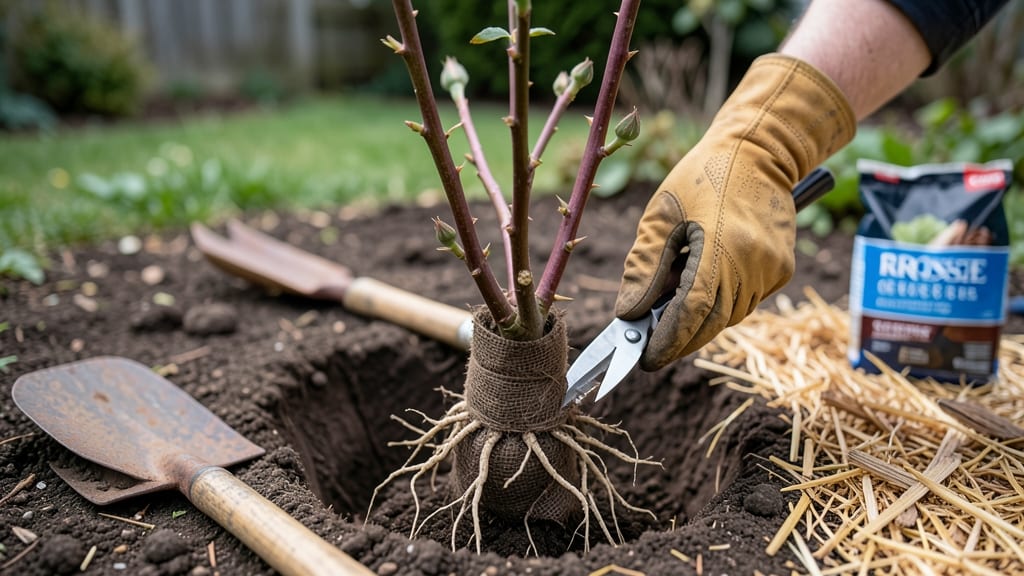
Planting rose bushes in Michigan requires precise timing—spring and fall are your best bets for thriving blooms 🌹, but a single misstep can leave your garden struggling.
Michigan gardeners know timing is everything—plant roses too early, and frost will kill them; too late, and they’ll struggle to establish roots before winter. Get it right, and you’ll enjoy vibrant blooms for years.
With USDA Zones 5-6, your window is narrow: aim for April to May or September to October, when soil is workable but frost isn’t lurking. Bare-root roses need extra care, while container-grown varieties offer more flexibility.
Below, I’ll walk you through the exact frost-free dates for your region, soil prep secrets for Michigan’s clay-heavy ground, and how to protect your roses when winter rolls around.
Best planting windows for Michigan roses (USDA Zones 5-6)
Michigan’s USDA Zones 5-6 offer two ideal windows for planting roses: early spring (April) and fall (September-October). These timings align with the last frost date (mid-April) and first frost date (mid-October), giving roots time to establish before extreme temperatures.
Bare-root roses thrive when planted in dormant season, while container-grown roses offer more flexibility.
Spring planting should begin 2-3 weeks after your last frost date, typically by mid-April in most of Michigan. Fall planting works best 6-8 weeks before the first frost, usually by early October.
Container roses can be planted year-round, but these windows still provide the best success rates for Michigan’s climate.
Timing matters because roses need 4-6 weeks of root establishment before facing freezing temperatures. Planting too early risks root damage from late frosts, while late planting leaves roses vulnerable to winter stress before they’ve built sufficient reserves.
🌹 Pro Tip: Check your local Michigan State University Extension for your specific frost-free date. Southern Michigan (Zone 6) can plant slightly later than northern areas (Zone 5).
Here’s how the two planting methods compare for Michigan gardeners:
| Planting Method | Best Time | Root Establishment Time | Michigan Specifics | Watering Needs |
|---|---|---|---|---|
| Bare-Root Roses | Early Spring (April) or Early Fall (Sept-Oct) | 4-6 weeks | Zone 5: Plant by May 1; Zone 6: Plant by May 15 | Deep watering 2x/week |
| Container-Grown Roses | Spring (April-May) or Fall (Sept-Oct) | 3-4 weeks | Can plant 2 weeks earlier than bare-root | Daily watering first week |
For spring planting, aim to get roses in the ground by mid-May in Zone 5 and late May in Zone 6. This gives them enough time to establish roots before summer heat.
In fall, plant by September 15 in northern Michigan and October 1 in southern areas to allow root growth before dormancy.
Container-grown roses are more forgiving because their root systems are already established. However, they still benefit from Michigan’s spring or fall windows. The key difference is that you can plant them 2 weeks earlier than bare-root varieties, giving you a slightly longer window.
After planting, focus on consistent moisture and mulching to protect roots. Bare-root roses need deep watering 2x/week for the first month, while container roses require daily watering for the first week to reduce transplant shock.
Michigan’s variable weather patterns mean you should always be prepared for late frosts in spring. Use frost cloth if nighttime temperatures dip below 32°F after planting. In fall, apply 3-4 inches of mulch to insulate roots before the ground freezes.
Remember that rose varieties matter. Hybrid teas and grandifloras need the full 6-month growing season, while hardy shrub roses like 'Dr. Huey' can handle Michigan’s shorter season better. Always check the USDA hardiness rating when selecting varieties.
With the right timing, your Michigan roses will thrive year after year, rewarding you with vibrant blooms from June through September—and maybe even a few late-season surprises if you’re lucky! 🌷
How to prepare Michigan soil for rose bush success
Michigan’s clay-heavy soils and cool climate create unique challenges for growing roses. Without proper preparation, your rose bushes may struggle to thrive, leading to stunted growth or poor blooms.
The key to success lies in amending soil texture, balancing pH levels, and ensuring proper drainage—all tailored to Michigan’s USDA Zones 5-6.
Start by testing your soil’s pH level. Roses prefer a slightly acidic to neutral range of 6.0 to 6.5. If your soil tests higher or lower, you’ll need to adjust it using organic amendments like sulfur (to lower pH) or lime (to raise it).
Many Michigan gardens naturally lean toward alkaline, so lowering pH is often the first step for optimal rose health.
Michigan’s clay soil can become compacted, restricting root growth and water flow. To improve drainage and aeration, mix in organic matter like compost, well-rotted manure, or peat moss.
Aim for a 25-30% organic content in your planting hole. This not only loosens the soil but also provides essential nutrients for your roses.
Step-by-Step Soil Prep for Michigan Roses
- Test soil pH (use a home pH kit or send a sample to a lab). Aim for 6.0-6.5.
- Amend alkaline soil with sulfur (follow package rates) to lower pH.
- Dig a planting hole twice as wide as the root ball but no deeper.
- Mix compost or peat moss into the native soil (50/50 ratio) for the bottom 6 inches of the hole.
- Add a drainage layer of coarse sand or gravel if your yard has poor drainage.
- Place the rose bush in the hole, ensuring the graft union is 2 inches above soil level.
- Backfill with amended soil and water deeply to settle roots.
For areas with standing water issues, consider planting roses in a raised bed or mound. This elevates the roots above the water table while still allowing proper drainage. If you’re working with heavy clay, incorporate perlite or vermiculite into the soil mix to improve aeration without compromising nutrient retention.
After planting, apply a 2-3 inch layer of mulch around the base of the rose bush, keeping it 6 inches away from the stem. Use wood chips or straw to retain moisture, regulate soil temperature, and suppress weeds.
Replenish mulch annually, as it breaks down over time and loses effectiveness.
Finally, monitor your roses for signs of stress, such as yellowing leaves (possible pH or nutrient issue) or wilting despite watering (drainage problem). Adjust care as needed, and your Michigan roses will reward you with lush foliage and stunning blooms for years to come. 🌹