
Pruning
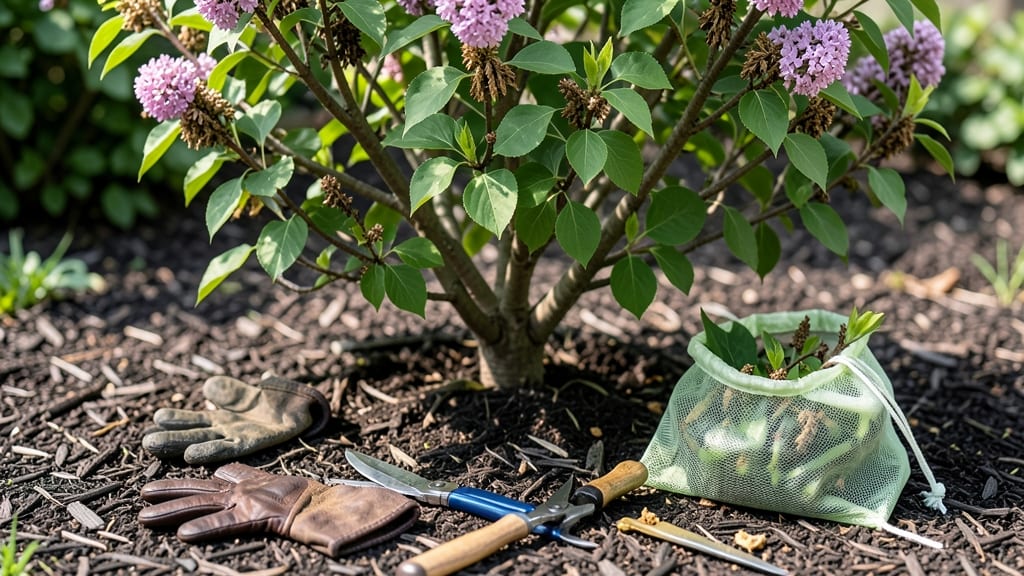
Fall is the perfect time to trim lilac bushes—cutting them back now ensures next year’s fragrant spikes will be thicker and more abundant. 🌿 I’ve pruned my lilacs for years, and the difference between a well-timed trim and skipping it is night and day: one year’s leggy, sparse blooms versus the other’s lush, perfume-filled branches.
The key is working right after flowering, when the plant’s energy shifts from blooms to next season’s growth.
You’ll need sharp bypass pruners, a small saw for thicker stems, and a clear day to avoid spreading disease. The goal is to remove about one-third of the oldest wood, cutting just above a bud or lateral branch.
This encourages new growth at the base while keeping the bush open for airflow—critical for preventing powdery mildew, which loves crowded lilacs. Start at the center and work outward to avoid over-trimming outer branches.
In cooler climates like Zones 4-6, fall trimming is essential—it gives the plant time to heal before winter. Warmer zones (7-9) can prune anytime, but fall still offers the best results. The reward? Next spring’s blooms will be more abundant and fragrant, with fewer bare stems.
Just avoid cutting into old, woody growth—it won’t regenerate, and you’ll end up with a bush that looks like it’s missing its top.
Pro tip: Snag a small bucket for clippings and mulch the area afterward—it’ll protect roots from winter’s chill. Your lilacs will thank you with bold new growth by late winter and a showstopping display come spring. Ready to transform those ragged bushes into next year’s star? Let’s get to work.
📚 In This Guide
- What you need
- Instructions
- Tips and common mistakes
- Wrapping up and next steps
What you need
- ● Pruning shears or hedge clippers – Choose bypass pruners (sharp, clean-cutting blades) for precision. A 10-12" pair works best for medium-sized lilacs.
- ● Lopping shears or pruning saw – For thicker branches (over ½ inch in diameter). A 20-24" lopper or a curved pruning saw will handle the job.
- ● Gloves – Wear heavy-duty gardening gloves (e.g., mechanized or leather) to protect against thorns and scratches.
- ○ Disinfectant (optional but recommended) – A 10% bleach solution (1 part bleach to 9 parts water) or rubbing alcohol to sterilize tools between cuts and prevent disease.
- ● Heavy-duty trash bags or bucket – For collecting pruned branches. A 30-gallon capacity should suffice for most bushes.
- ● Rake or broom – To clear debris from the base of the bush and surrounding area.
- ● Hand pruners with ratcheting mechanism – Reduces hand fatigue for larger pruning sessions.
- ● Knee pads or stool – If your lilacs are tall or you have back/knee concerns.
- ● Pruning sealant (e.g., tree wound dressing) – Only needed if cutting into large, exposed wood (controversial among gardeners—research first!).
- ● Spray bottle with water – Keeps blades sharp and clean during pruning.
Step-by-step guide to trimming lilac bushes in fall
This is the perfect time to refresh your lilacs—just a few cuts now will reward you with fuller blooms next spring.
✂️ Step 1: Gather Your Tools and Inspect the Bush
Start with clean, sharp pruning shears—dull blades tear stems and invite disease. I like to disinfect them with rubbing alcohol before and after use, especially if your lilacs have had any issues. Grab a small bucket for trimmings and a pair of gloves to protect your hands from the tiny thorns.
Walk around the bush and examine the structure. Look for any dead, crossing, or crowded branches—they’re your first targets. Lilacs bloom on last year’s growth, so never cut back into old wood unless you’re rejuvenating an overgrown bush. Healthy branches have a smooth, green bark with buds along their length.
✂️ Step 2: Remove Dead or Weak Branches First
Snip out any branches that are completely dead, broken, or rubbing against others. Cut them back to the main trunk or to a healthy outward-facing bud. This opens up the center of the bush and lets air and light circulate, which prevents fungal issues. I always remove these first—they’re the easiest and make the rest of the job cleaner.
Watch for branches growing straight up or inward. These compete with each other and weaken the bush. Angle your cuts just above a bud that’s facing outward—this encourages new growth in the right direction. If you’re unsure which way a bud faces, remember: the top of the bud points toward where the new branch will grow.
✂️ Step 3: Thin Out Crowded Areas for Better Airflow
Now focus on thinning the bush by removing about one-third of the oldest stems at the base. Lilacs naturally produce new growth from the base, so cutting back older branches stimulates fresh, vigorous shoots. Choose stems that are 3-4 inches thick—these are typically the oldest and least productive.
Make your cuts at a 45-degree angle, about ¼ inch above a bud or side branch. This prevents water from pooling on the cut and reduces the risk of rot. Avoid cutting flush with the trunk—leave a small stub to protect the branch collar. Step back often to check your progress; the goal is to create an open, vase-like shape that lets light reach the center.
✂️ Step 4: Lightly Shape the Outer Branches (Optional)
If your lilac looks too wild, you can give the outer branches a gentle trim to encourage a fuller shape. Cut back the tips of the longest branches by about one-third to promote bushier growth. Focus on branches that are growing in the wrong direction—lilacs naturally spread outward, so avoid cutting back into the center.
Here’s the thing—lilacs bloom on last year’s wood, so avoid heavy pruning now. If you cut back too aggressively, you’ll sacrifice next year’s flowers. Think of this as a light refresh rather than a dramatic overhaul. A few strategic cuts now will keep your bush healthy and blooming beautifully for years.
⏰ Step 5: Clean Up and Prepare for Winter
Rake up all the trimmings and dispose of them—never leave them on the ground, as they can harbor pests and diseases. Give your shears one last wipe with rubbing alcohol, then store them in a dry place. Water the base of the bush deeply to help it recover from the pruning and prepare for winter.
Mulch around the base with 2-3 inches of organic mulch (like shredded bark) to insulate the roots and retain moisture. Avoid piling mulch against the trunk—keep it 2-3 inches away to prevent rot. This final step protects your lilac through the cold months and sets it up for a strong start in spring.
Tips & tricks for perfect lilac pruning
Here’s what nobody tells you about pruning lilacs—these tricks will keep your bush thriving for years to come.
Tool Prep is Everything: Before you even touch a branch, disinfect your pruning shears with rubbing alcohol. I learned this the hard way after my lilacs developed fungal spots from reused tools. A quick wipe before and after pruning prevents disease transfer between bushes. And for stubborn branches, a small file can help sharpen dull blades mid-pruning—it makes all the difference for clean cuts.
The One-Third Rule: When thinning in Step 3, focus on removing about one-third of the oldest stems at the base. These are typically the 3-4 inch thick branches that have stopped producing strong blooms. Pro tip: Look for stems with sparse foliage or fewer buds—they’re the weakest links. Cutting these stimulates fresh growth from the base while preserving next year’s flower buds.
Bud Direction Matters: Always angle your cuts just above a bud that faces outward. This might seem like a small detail, but it’s what creates that perfect vase shape. If you’re unsure which way a bud faces, remember: the top of the bud points in the direction the new branch will grow. A quick visual check before each cut saves you from awkward regrowth patterns later.
Winter Prep Secrets: After pruning, don’t just water and walk away. Mulch around the base with 2-3 inches of organic material, but keep it 2-3 inches away from the trunk to prevent rot. I also add a handful of bone meal or compost to the soil at this time—it gives the roots a nutrient boost before winter. This small step makes a huge difference in spring recovery.
Pro Tips for Trimming Lilac Bushes In Fall
- Here’s what nobody tells you about pruning lilacs—these tricks will keep your bush thriving for years to come.
- Tool Prep is Everything: Before you even touch a branch, disinfect your pruning shears with rubbing alcohol.
- The One-Third Rule: When thinning in Step 3, focus on removing about one-third of the oldest stems at the base.
Frequently asked questions
Got questions about trimming your lilac bushes in the fall? You’re not alone! Here are some of the most common queries—plus straightforward answers to keep your shrubs thriving.
When is the exact best time to trim lilacs in fall?
Prune lilacs right after flowering (late spring/early summer) for best results, but if you missed that window, late fall (October–November) is the next best time—just before the first hard frost. This prevents winter dieback and encourages strong growth for next spring’s blooms.
How much can I cut back my lilac bush in fall?
For healthy lilacs, never remove more than 1/3 of the plant’s height in a single pruning. Focus on dead, diseased, or crossing branches first, then lightly shape the bush. Over-trimming can stress the plant and reduce next year’s flowers. Think of it as a haircut, not a buzz cut!
What if I see brown or mushy stems after trimming?
Brown or mushy stems could signal fungal disease (like powdery mildew) or rot. Prune infected areas immediately with sterilized tools, then dispose of clippings in the trash (not compost). Apply a copper fungicide to prevent spread. Keep the area around the bush clean and well-drained to avoid future issues.
Can I trim lilacs in fall if they didn’t bloom this year?
Yes! If your lilacs didn’t bloom, they likely need more sunlight or fertilizer—not pruning. Lightly trim only dead/diseased wood in fall, then focus on improving growing conditions (like full sun and balanced fertilizer in early spring). Patience is key—some lilacs take 2–3 years to rebloom after heavy pruning.
What’s the difference between spring and fall pruning?
| Spring Pruning | Fall Pruning |
|---|---|
| Best for shaping and removing last year’s blooms to encourage new growth. | Ideal for light cleanup and preventing pests/disease before winter. |
| Do this after flowering (late May–June). | Do this after leaves drop (October–November). |
| Encourages heavier blooms next year. | Helps strengthen roots for spring growth. |
Pro tip: Combine both for the best results—spring for blooms, fall for health!
Wrapping up and next steps
Trimming your lilac bushes in fall is a simple yet powerful way to ensure vibrant blooms and lush growth next spring!
By following the right techniques—like removing spent flowers, thinning dense branches, and avoiding drastic cuts—you’ll set the stage for healthier, fragrant bushes. Don’t wait until winter; take action now to reward yourself with stunning blooms in the coming season. 🌸
Ready to get started? Grab your pruners and head outside—your lilacs will thank you! For extra confidence, check out our FAQs or revisit the step-by-step guide before you begin.