
Shrubs
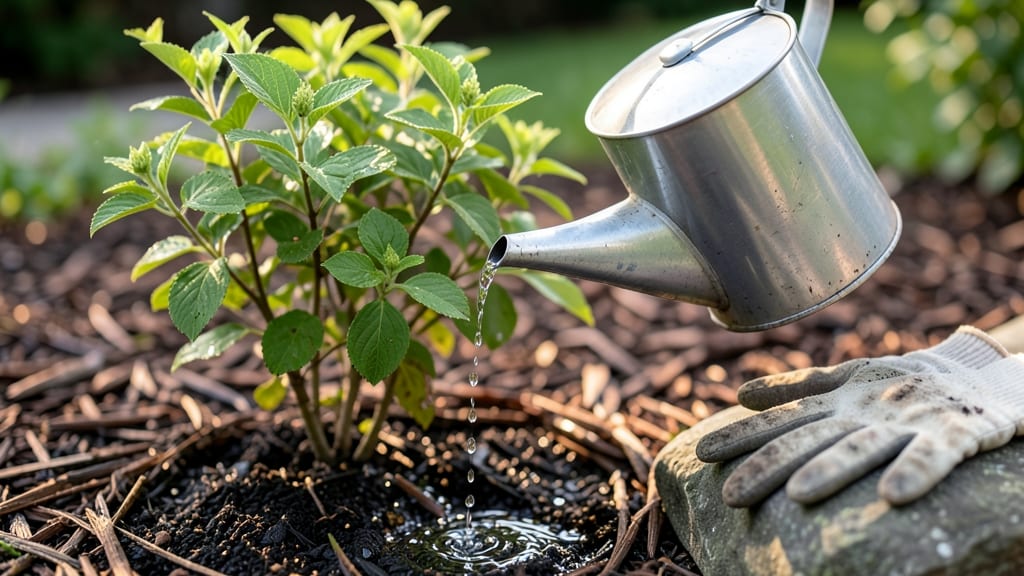
Watering new bushes correctly is the key to helping them establish strong roots and thrive in your landscape 🌱 — and getting it wrong can mean the difference between a vibrant addition and a sad, struggling plant.
New bushes need consistent watering to thrive—but overdo it, and you risk root rot; underdo it, and they’ll wilt before they even take hold. Mastering the right watering technique is the difference between a lush, healthy plant and a sad, dying one.
Most gardeners struggle with the balance: too much water drowns the roots, while too little leaves the soil dry and brittle. The secret lies in understanding your soil type, climate, and the specific needs of your bushes—whether they’re roses, ornamental varieties, or shrubs.
In this guide, I’ll walk you through the best watering methods, how often to water based on your region, and the telltale signs that your bushes are getting just the right amount of moisture—no guesswork required.


How often to water new bushes based on soil and climate
When you plant new bushes, the first few weeks are critical for root establishment. Overwatering can suffocate roots, while underwatering stresses young plants. The key is understanding how your soil type and local climate affect moisture retention.
Sandy soil drains quickly, while clay holds water for days—both require different approaches. Even the same bush needs adjustments between a hot summer and a cool spring.
Start by checking your soil type: sandy, loamy, or clay. Each behaves differently after watering. For example, a hydrangea in sandy soil might need daily watering, while the same plant in clay could drown.
Climate plays an equal role—humid coastal areas need less frequent watering than arid desert regions. Let’s break down the science so you can tailor your watering schedule like a pro.
| Soil Type | Climate | Watering Frequency (New Bushes) | Depth per Watering | Seasonal Adjustments |
|---|---|---|---|---|
| Sandy | Hot/Dry | Every 1-2 days | 6-8 inches | Summer: Daily; Winter: Weekly |
| Loamy | Hot/Dry | Every 2-3 days | 8-10 inches | Summer: Every 2 days; Winter: Bi-weekly |
| Clay | Hot/Dry | Every 3-4 days | 4-6 inches | Summer: Every 3 days; Winter: Monthly |
| Sandy | Cool/Humid | Every 3-4 days | 6-8 inches | Summer: Every 3 days; Winter: Bi-weekly |
| Loamy | Cool/Humid | Every 4-5 days | 8-10 inches | Summer: Every 4 days; Winter: Monthly |
| Clay | Cool/Humid | Every 5-7 days | 4-6 inches | Summer: Every 5 days; Winter: Monthly |
Note: Adjust based on rainfall and plant type (e.g., roses need more frequent watering than boxwoods).
For spring planting, focus on keeping the soil consistently moist but not soggy. Most bushes establish roots in the first 4-6 weeks, so aim for 1 inch of water per week, including rainfall.
Use your finger to check moisture: if the top 2 inches of soil feel dry, it’s time to water. In hot climates, morning watering reduces evaporation and fungal risks.
Summer demands the most attention. Deep watering every 2-3 days encourages roots to grow downward, making plants more drought-resistant. Avoid shallow watering, which only wets the surface and promotes surface roots that dry out quickly.
Mulch with 2-3 inches of organic material (like shredded bark) to retain moisture and regulate soil temperature.
Fall is a transition period. As temperatures drop, reduce watering frequency by 30-50%. Bushes like azaleas or camellias need less water in cool, humid climates, while drought-tolerant shrubs (e.g., lavender) may only need water every 10-14 days.
Always water in the early morning to allow foliage to dry before evening dew forms.
Winter care varies by climate. In mild winters, water lightly every 2-4 weeks to prevent soil from freezing solid. In freezing regions, hold off until spring—overwatering can lead to root rot in waterlogged, cold soil. Always check for ice buildup around mulch, which can suffocate roots.
Pro tip: Group bushes by water needs to simplify care. Place thirsty varieties (like hydrangeas) near your water source and drought-tolerant shrubs (like juniper) in less accessible spots. This way, you can water efficiently without over- or underwatering any plant.
Remember, every garden is unique. Start with these guidelines, then adjust based on your observations. If leaves yellow or wilt, it’s time to reassess your watering routine. With practice, you’ll develop a watering intuition
Signs your new bushes are overwatered or underwatered (and how to fix it)
New bushes are delicate when first planted, and their watering needs can be tricky to gauge. Too much water drowns their roots, while too little leaves them thirsty and stressed.
As someone who's nursed countless bushes back to health, I've learned to watch for subtle clues that reveal whether your plants are getting just the right amount of moisture—or not. The key is learning to read your bushes' signals before it's too late.
Start by checking the soil moisture with your fingers. Stick your index finger about 2 inches deep into the soil near the base of the bush. If it feels damp but not soggy, you're likely on track.
But if it's bone-dry or muddy, that's your first warning sign. These simple tactile checks can save your bushes from common watering mistakes that even experienced gardeners make.
⚠️ callout warning ⚠️
🚨 Overwatering vs. Underwatering: Don't Miss These Critical Signs
Overwatered bushes: Yellowing leaves, mushy stems, moldy soil, slow growth, and roots that smell foul when exposed.
Underwatered bushes: Crispy leaf edges, wilting despite watering, dry soil pulling away from pot edges, and dusty or dull foliage.
Fix it fast: For overwatered plants, reduce frequency and improve drainage. For underwatered, water deeply and mulch to retain moisture.
Yellowing leaves are one of the most common signs of watering problems. If the older leaves turn yellow first, your bush may be underwatered. But when new growth yellows and feels mushy to the touch, that's a classic sign of overwatering.
I once had a hydrangea bush where the leaves turned a sickly yellow-green, and I thought it was a nutrient issue—until I noticed the soil smelled like wet socks. That's when I knew root rot was setting in.
Don't ignore leaf texture either. Healthy leaves should feel firm and slightly resilient. If they feel limp or crispy, your bush needs water immediately. For underwatered bushes, give them a deep watering that soaks the soil to a depth of 6-12 inches.
For overwatered ones, let the top 2-3 inches of soil dry out between waterings and consider adding organic matter to improve drainage.
Another telltale sign is new growth that looks weak or stunted. If your bush isn't putting out fresh leaves or stems, it's struggling to establish roots. In this case, focus on maintaining consistent moisture rather than heavy watering.
A 3-inch layer of mulch around the base helps retain moisture and regulate soil temperature. I've found that mulching reduces my watering frequency by nearly 30% while keeping bushes healthier.
Remember, seasonal adjustments are crucial. In summer, you may need to water daily, while in cooler months, every 5-7 days might suffice. Always water in the early morning to allow foliage to dry before nightfall, reducing fungal risks.
With these visual and tactile cues, you'll quickly learn to give your new bushes exactly what they need—no more guessing, no more sad, wilted plants.