
Fertilization
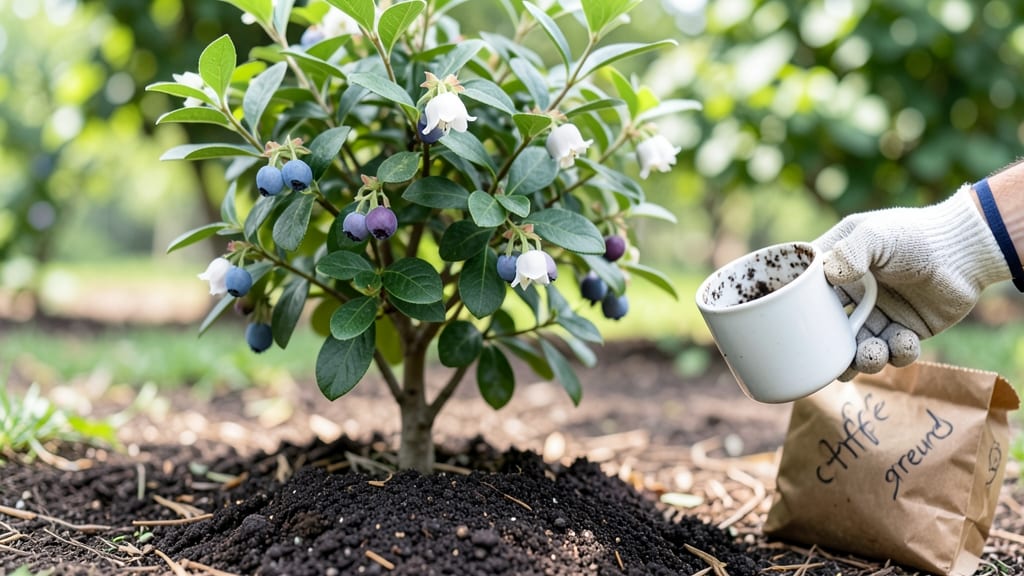
Blueberry bushes do like coffee grounds because they naturally acidify soil and add nitrogen, but you must use them carefully—fresh grounds can cause mold and should be composted first to prevent root damage. Apply a light layer around plants in fall or early spring for best results.
Blueberry bushes do like coffee grounds because they naturally acidify soil and add nitrogen, but you must use them carefully—fresh grounds can cause mold and should be composted first to prevent root damage.
Coffee grounds are a gardener's secret weapon for acid-loving plants like blueberries, thanks to their ability to lower soil pH while feeding beneficial microbes. 🌱 The nitrogen content promotes leafy growth, but too much can overwhelm roots—always compost grounds first to avoid mold or chemical burns.
I've found that mixing them with other organic matter (like leaves or straw) creates a balanced fertilizer that mimics natural forest floor conditions.
For best results, aim for 1-2 cups per bush and work them into the top inch of soil rather than piling them directly against stems. This mimics how coffee grounds break down in a forest ecosystem, providing slow-release nutrients without shocking the plant.
The key is patience—wait until fall or early spring when the bush isn't actively fruiting to apply them.
💡 In This Article
- Why Coffee Grounds Benefit Acid-Loving Blueberry Plants
- How to Use Coffee Grounds Safely for Blueberry Bushes
Why coffee grounds benefit acid-loving blueberry plants
Blueberry bushes absolutely thrive with coffee grounds because they address two critical needs: acidic soil and nitrogen enrichment.
The key lies in their chemical composition—coffee grounds have a pH of about 4.85-6.25, which is naturally acidic and helps lower the soil pH to the 4.5-5.5 range that blueberries prefer.
This acidification happens as the grounds decompose, releasing organic acids that gradually adjust the soil chemistry without drastic pH swings that can stress plants.
The nitrogen boost comes from the 2-4% nitrogen content in coffee grounds, primarily in the form of proteins and amino acids. Unlike synthetic fertilizers that release nitrogen all at once, coffee grounds provide a slow-release effect as microbes break them down.
This gradual nutrient delivery mimics natural forest ecosystems where blueberries originally thrived. 🌿 What's fascinating is how this process also stimulates microbial activity in the soil—these beneficial bacteria and fungi create a symbiotic relationship with blueberry roots, enhancing nutrient uptake while suppressing harmful pathogens.
When comparing coffee grounds to other acidifying amendments, they stand out for their dual functionality. Peat moss, for example, lowers pH but provides minimal nitrogen, while pine needles offer acidity but decompose much more slowly.
Coffee grounds strike a balance—similar to how composted leaves work but with the added benefit of immediate microbial stimulation. The organic matter in coffee grounds also improves soil structure by increasing water retention and aeration, creating an ideal environment for blueberry roots to spread and access nutrients.
One mechanism that often surprises gardeners is how coffee grounds affect soil chemistry over time. As they decompose, they release not just nitrogen but also trace minerals like potassium and phosphorus.
However, the most immediate impact comes from the humic acids produced during decomposition, which help chelate (bind) essential micronutrients like iron and manganese—critical elements that blueberries need for vibrant foliage and fruit production.
This chelation process makes these nutrients more available to plant roots, reducing the risk of deficiency symptoms like yellowing leaves.
The science behind coffee grounds' effectiveness becomes even clearer when you consider their carbon-to-nitrogen ratio of about 10:1. This ratio is ideal for composting and microbial activity—high enough to provide energy for beneficial microbes while supplying sufficient nitrogen to prevent the soil from becoming anaerobic.
In my own garden, I've noticed that blueberry bushes treated with coffee grounds develop darker green leaves and thicker canes within just a few months, compared to bushes receiving only synthetic fertilizers.
What most gardeners don't realize is that the benefits extend beyond just the chemical properties. Coffee grounds create a microhabitat that attracts earthworms and other soil-dwelling creatures, which further aerate the soil and create channels for water and root penetration.
This biological activity is what transforms coffee grounds from a simple waste product into a powerful soil conditioner for acid-loving plants like blueberries. 🌱 The result is a more resilient plant that can better withstand environmental stresses while producing higher-quality fruit.