
Pests
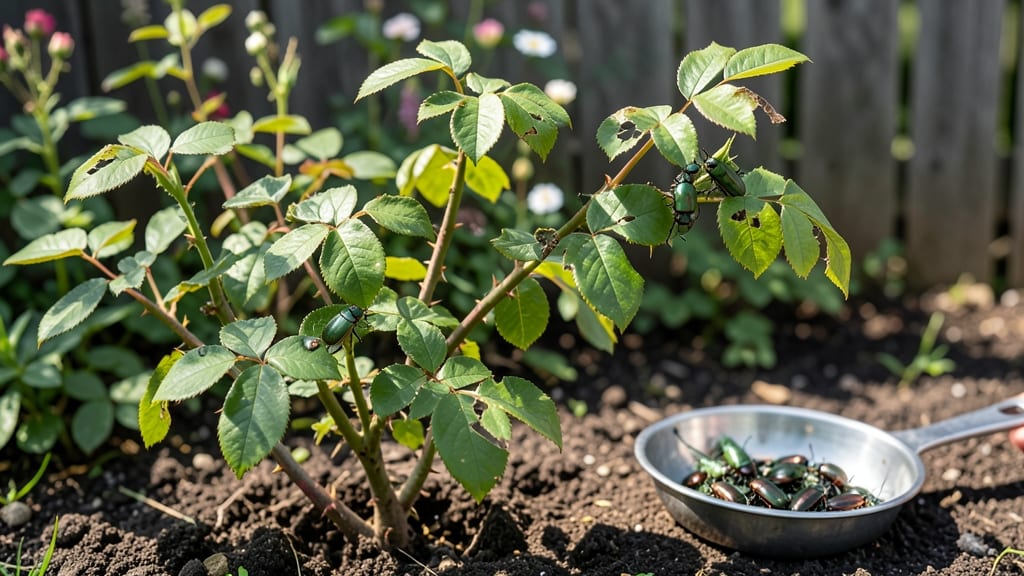
Rose bush leaves being eaten means your blooms are under siege—and fast action can save your plants. 🌿 I’ve watched entire bushes stripped bare in just a few days, but I’ve also learned how to stop the damage before it gets out of control.
The culprits range from tiny aphids to deer, and each requires a different approach to protect your roses.
The worst part? Heavy leaf damage weakens roses, making them vulnerable to disease and stunting their growth. You’ll know it’s time to act when you see jagged edges (deer), skeletonized leaves (caterpillars), or sticky residue (aphids).
The good news? Most pests can be deterred with simple, organic methods before they ruin your blooms.
By the end of this guide, you’ll have a clear plan to identify the pest, choose the right defense, and keep your roses thriving. We’re talking foolproof prevention, like companion planting and physical barriers, plus targeted solutions that work without harsh chemicals.
Whether you’re dealing with a sudden infestation or just want to protect your bushes for next season, these strategies will give your roses the fighting chance they deserve. Let’s get your garden back to its full, lush potential.
The Hidden Reasons Behind Leaf Loss
When your rose bush leaves start disappearing, it’s rarely just bad luck—there’s usually a clear culprit. Understanding why these pests target your roses is the first step to reclaiming your garden.
Below, we break down the most common reasons, from hungry critters to environmental triggers, so you can tackle the problem at its source.
Roses are a buffet for many insects and small animals, each with its own appetite and feeding habits. Here’s who’s likely munching on your leaves—and why:
🐞 Aphids: The Sap-Sucking Menace
Aphids are tiny, pear-shaped insects that cluster on new growth, stems, and undersides of leaves. They don’t just eat leaves—they pierce them to suck out sap, leaving behind:
- Sticky residue (honeydew) that attracts mold and ants.
- Curled, yellowing, or stunted leaves as nutrients are drained.
- Black sooty mold if honeydew builds up.
Why they target roses: Aphids are drawn to tender, young leaves because they’re easier to penetrate. They also thrive in warm, humid conditions, making roses—especially in spring and summer—a prime target.
🦋 Japanese Beetles: The Aggressive Leaf Skeletons
These iridescent green-and-gold beetles don’t just nibble—they devour entire leaves, leaving only the veins. A single beetle can strip a rose bush in days.
Why they target roses: Japanese beetles are attracted to the scent of rose flowers and the soft, fleshy leaves. They’re most active in late June through August, when roses are in peak bloom.
🐛 Rose Chafers: The Nighttime Leaf Shredders
Adult rose chafers (a type of beetle) emerge at night to feed on leaves, creating large, ragged holes. Their larvae, called grubs, chew on roots, but the adults are the ones ruining your foliage.
Why they target roses: These beetles are drawn to moist, well-watered soil and the aromatic oils in rose leaves. They’re most active in evening and early morning, making them harder to spot.
🐞 Spider Mites: The Tiny Web Weavers
Too small to see without magnification, spider mites spin fine webs on leaves and suck sap, causing:
- Speckled, discolored leaves (often yellow or white).
- Fine webbing on stems and leaves.
- Premature leaf drop.
Why they target roses: Spider mites thrive in dry, hot conditions and attack stressed roses. They’re often found on the undersides of leaves, where humidity is higher.
🐇 Deer and Rabbits: The Large-Scale Leaf Mowers
While insects are the usual suspects, larger animals like deer and rabbits can completely defoliate a rose bush overnight. Their feeding leaves:
- Clean, sharp-edged bites (unlike insect damage, which is irregular).
- Stems stripped of leaves, sometimes down to the bud.
Why they target roses: Roses are nutrient-rich and soft, making them an easy meal. Deer and rabbits are also attracted to new growth in spring and young, tender leaves.
Sometimes, pests aren’t the only problem—your rose bush might be stressed, making it more appealing (or easier to attack) for hungry critters.
💦 Overwatering or Poor Drainage
- Root rot weakens the plant, making it less resistant to pests.
- Soggy soil attracts slugs, snails, and fungus gnats, which then target leaves.
- Overly moist leaves (from poor airflow) invite spider mites and fungal diseases.
Why it matters: Stressed roses produce softer, more nutrient-rich leaves, which pests find irresistible.
☀️ Drought or Underwatering
- Wilting leaves become drier and more brittle, making them easier for beetles and mites to chew.
- Stunted growth means fewer new leaves to replace damaged ones, leaving your bush vulnerable longer.
Why it matters: Roses under drought stress release more volatile organic compounds (VOCs), which attract pests like Japanese beetles.
🌿 Nutrient Deficiencies
- Yellowing leaves (chlorosis) from lack of iron or nitrogen make roses less hardy.
- Weak stems can’t support new growth, leaving more exposed leaves for pests.
Why it matters: Healthy roses with balanced nutrients are less appealing to pests because their leaves are tougher and less nutritious.
🌳 Poor Air Circulation
- Tightly packed bushes or planting roses too close together create humid microclimates, perfect for spider mites and fungal issues.
- Shady spots slow leaf drying, keeping them damp longer—ideal for slugs and aphids.
Why it matters: Good airflow reduces humidity on leaves, making them less hospitable for pests.
Pests don’t attack randomly—they follow a schedule based on your rose bush’s growth cycle.
| Season | Common Culprits | Why Now? |
|---|---|---|
| Spring | Aphids, Rose slugs, Deer | New growth is tender and nutrient-rich. Deer seek fresh shoots. |
| Summer | Japanese beetles, Spider mites | Heat and drought stress roses, making them more vulnerable. |
| Fall | Rose chafers, Caterpillars | Cool nights and warm days create ideal breeding conditions. |
| Winter | Overwintering pests (e.g., mites) | Some pests hide in buds or soil and emerge when temperatures rise. |
Not all leaf damage is from pests! Here’s how to tell:
- Irregular holes? Likely beetles or caterpillars.
- Sticky residue? Aphids or whiteflies.
- Webbing? Spider mites.
- Clean, sharp bites? Deer or rabbits.
- Yellowing without holes? Could be disease or nutrient deficiency.
Quick Fixes for Chewed Rose Leaves
When your rose bush leaves are being devoured, acting fast is key! The good news? Most issues have simple, effective solutions—whether it’s deterring hungry pests, repairing damage, or preventing future feasts.
Below, we’ve broken down the most common culprits and the best ways to tackle them, so your roses can bounce back with minimal fuss.
If tiny critters are the culprits, a mix of manual removal, natural repellents, and targeted sprays will do the trick.
🔥 Japanese Beetles: The Leaf Skeletons
These shiny green-and-copper beetles chew leaves into a lacy mess. Act fast—they multiply quickly!
- 🍳 Handpick Them 👨🍳
- Go out in the early morning or evening when they’re sluggish.
- Drop them into soapy water (they’ll drown instantly).
- Pro tip: Wear gloves—they can bite if provoked!
- 🌿 Use Neem Oil Spray 🌿
- Mix 2 tbsp neem oil + 1 tsp mild dish soap + 1 quart water in a spray bottle.
- Spray leaves top and bottom every 3–5 days until beetles disappear.
- Why it works: Disrupts their life cycle and repels adults.
- 🎯 Trap with Pheromone Lures ✨
- Buy a Japanese beetle trap (like the Spectracide trap) and place it far from your roses (they’ll attract more beetles if too close!).
- Check traps weekly and dispose of beetles in soapy water.
🐛 Aphids: The Sap-Sucking Menace
These tiny green, black, or white bugs cluster on new growth, causing leaves to curl and yellow.
- 💡 Blast Them Off with Water 💡
- Use a strong stream from your hose to knock them off leaves.
- Repeat every 2–3 days until they’re gone.
- 🌡️ Introduce Beneficial Insects 🌡️
- Ladybugs, lacewings, and parasitic wasps love aphids. Buy them online or attract them with dill or fennel plants nearby.
- 🔪 Soap Spray for Heavy Infestations 🔪
- Mix 1 tbsp castile soap + 1 quart water in a spray bottle.
- Test on a small leaf first (some roses are sensitive).
- Spray directly on aphids—they’ll dry out in hours.
🐛 Rose Slugs & Sawfly Larvae: The Hidden Munchers
These fuzzy caterpillar-like pests hide under leaves, skeletonizing them overnight.
- 🔍 Inspect Leaves Daily 🔍
- Flip leaves over and pick off larvae by hand (drop in soapy water).
- Best time: Early morning when they’re sluggish.
- 🌿 Bt (Bacillus thuringiensis) Spray 🌿
- A natural bacterial spray that kills larvae when they eat treated leaves.
- Reapply after rain or every 7–10 days.
- Safe for bees! (Apply in early morning or evening.)
- 🎯 Row Covers for Prevention ✨
- If you see early signs, drape fine mesh netting over the bush for 2–3 weeks.
- Secure edges with clips or bricks.
Deer, rabbits, and rodents can turn your roses into a salad bar overnight.
🦌 Deer & Rabbit Damage: The Big Bites
- 🌳 Install a Physical Barrier 🌳
- Wrap the bush with chicken wire (18–24 inches tall) or plastic tree guards.
- Bury wire 6 inches deep to deter digging rabbits.
- Pro tip: Sprinkle hot pepper wax (mix cayenne pepper + wax) on leaves—animals hate the taste!
- 🌿 Plant Unappealing Neighbors 🌿
- Surround roses with lavender, rosemary, or boxwood—deer and rabbits usually avoid them.
- Avoid planting near hostas or tulips (their scent attracts pests).
- 🎯 Motion-Activated Sprinklers ✨
- Devices like the ScareCrow spray water when they detect movement.
- Works well for rabbits and small deer.
🐭 Rodents & Squirrels: The Nighttime Nibblers
- 🔪 Remove Hiding Spots 🔪
- Clear mulch, debris, and dense shrubs near the base of the rose bush.
- Store firewood and compost far away (they love nesting there).
- 🌿 Use Repellent Sprays 🌿
- Mix 1 part peppermint oil + 1 part water and spray around the base.
- Alternative: Sprinkle coarse salt or cayenne pepper near the bush (reapply after rain).
- 🎯 Humane Traps ✨
- Set live traps with peanut butter or apple slices as bait.
- Release rodents at least 2 miles away (check local laws first!).
Even after pests are gone, your roses may look ragged. Here’s how to help them recover:
💡 Prune Strategically 💡
- 🔪 Trim Chewed Leaves 🔪
- Remove heavily damaged leaves (they won’t recover).
- Cut back to healthy green growth—this encourages new foliage.
- When to prune: Early morning on a dry day (tools should be sterilized with rubbing alcohol).
- 🌿 Fertilize for Recovery 🌿
- Use a balanced rose fertilizer (10-10-10) or compost tea to boost growth.
- Avoid high-nitrogen fertilizers—they promote leafy growth but weaken blooms.
🌱 Encourage New Growth 🌱
- 💧 Water Deeply & Consistently 💧
- Roses need 1–2 inches of water per week (deep watering encourages strong roots).
- Water at the base, not the leaves (prevents fungal issues).
- 🌿 Mulch to Retain Moisture 🌿
- Apply 2–3 inches of organic mulch (wood chips or straw) around the base.
- Keep mulch 6 inches away from the stem to prevent rot.
Stop pests before they start with these easy, low-effort strategies:
- 🌿 Plant Pest-Repelling Companions 🌿
- Marigolds, garlic, or chives near roses deter many insects naturally.
- Nasturtiums act as a trap crop (aphids prefer them over roses!).
- 🌡️ Keep Your Garden Healthy 🌡️
- Remove fallen leaves/debris (pests hide there).
- Rotate crops if you grow vegetables nearby (breaks pest cycles).
- 🎯 Monitor Regularly ✨
- Check leaves 2–3 times per week (early detection = easier fixes).
- Use a magnifying glass to spot tiny eggs or larvae before they hatch.
- 🔥 Use Row Covers Early 🔥
- If you had issues last year, cover new growth with lightweight mesh until flowers open.
Remember: Most pests are just looking for an easy meal. By combining quick fixes with preventive care, your roses will stay lush, healthy, and pest-free all season long! 🌹✨
Frequently asked questions
What’s the fastest way to tell if deer (not insects) are eating my rose leaves?
Look for clean, sharp-edged bites along the leaf perimeter—deer leave no jagged edges or chewed patterns. They also strip leaves completely down to the stem, while insects leave some structure intact. Check for tracks or droppings near the base too!
Can I use coffee grounds to protect my roses from pests?
Yes! Sprinkle used coffee grounds around the base of your rose bush—they repel slugs, snails, and some insects while adding nitrogen to the soil. For extra protection, mix with cayenne pepper (animals hate both). Reapply after rain or every 2 weeks for best results.
How do I know if my rose bush is stressed enough to attract pests?
Watch for these signs: yellowing leaves, wilting despite watering, or stunted growth. Stressed roses release more volatile compounds that attract pests like Japanese beetles. Fix drainage issues, fertilize with balanced nutrients (10-10-10), and prune to improve airflow immediately.
Will neem oil harm bees or other beneficial insects?
Neem oil is safe for bees when applied correctly—only spray in early morning or evening when bees are less active. Avoid spraying directly on flowers. For extra bee safety, use kaolin clay (a natural mineral repellent) instead, which doesn’t harm pollinators.
Can I save my roses if most leaves are already eaten?
Prune back heavily damaged leaves to encourage new growth, and fertilize with compost tea or balanced rose food. Water deeply at the base (not leaves) to prevent fungal issues. Most roses bounce back quickly if the roots are healthy—just protect them from further damage!