
Pruning
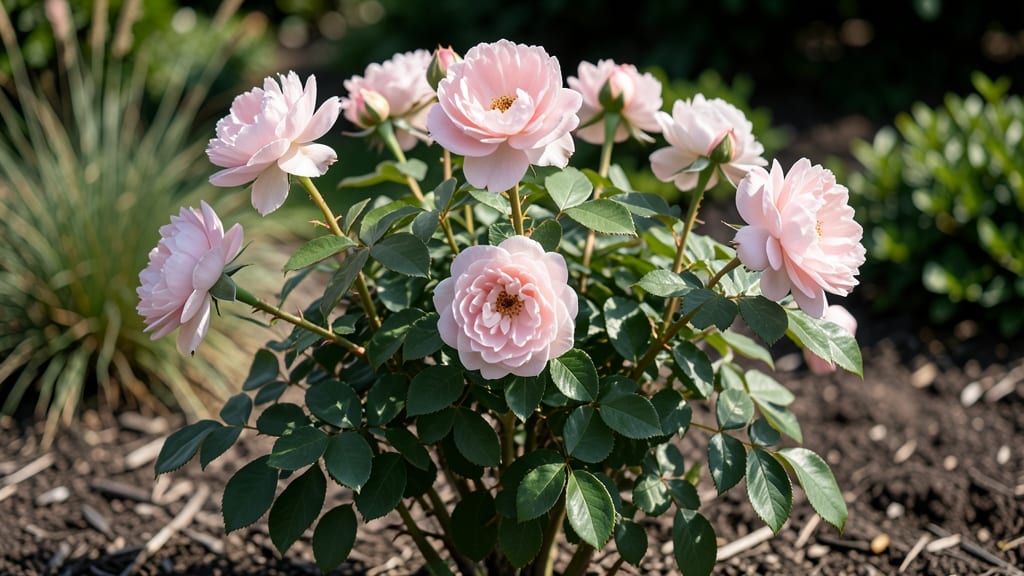
That first flush of peony rose bush blooms in May feels like a reward for winter patience. ✨ I’ve pruned these heavy bloomers for years, and the secret to their dramatic displays lies in just three strategic cuts—done at the right time, not the "usual" late winter timing everyone recommends.
The magic happens when you wait until late winter or early spring when buds begin swelling but before new growth starts. Most gardeners rush and cut too early, sacrificing next year’s blooms.
I learned this the hard way after pruning my bushes in January and watching them produce half as many flowers. The goal is to shape the plant while preserving next season’s flower buds, which form on last year’s growth.
You’ll end up with a bush that bursts into 5-7 inch blooms all summer long, each stem supporting multiple flowers. The foliage stays lush and disease-resistant, and you’ll avoid the common mistake of over-pruning that turns peonies into leggy shadows of their former selves.
This method works for both herbaceous peonies (which die back in winter) and tree peonies (which stay evergreen).
Grab your pruners—we’re talking 15-20 minutes of work that pays off for years. The key is timing, technique, and knowing exactly where to make those cuts. Ready to transform your bush into a blooming powerhouse?
📚 In This Guide
- What you need
- Instructions
- Tips and common mistakes
- Wrapping up and next steps
What you need
- ● Pruning shears or secateurs: Sharp, clean, and disinfected (75% isopropyl alcohol or bleach solution). Choose bypass pruners (not anvil) for clean cuts.
- ● Gloves: Heavy-duty gardening gloves (long sleeves recommended to protect from thorns).
- ● Disinfectant: 1 part bleach to 9 parts water (for sterilizing tools between cuts).
- ○ Pruning saw (optional but helpful): For thicker stems (½ inch or larger). A curved-blade pruning saw works best.
- ● Garden twine or tape: To tie up stems if needed (for support or training).
- ● Rake or leaf blower: For clearing debris after pruning.
- ○ Markers or flags (optional): To label stems you’ve pruned (helpful for large bushes).
- ● Hand pruners (for smaller cuts): For precision trimming of delicate stems.
- ● Knee pads or stool: If your peony bush is tall or you prefer to sit while working.
- ● Compost bin or bag: For collecting pruned stems (they’ll break down into nutrient-rich compost!).
- ● Plant food or fertilizer: A balanced 10-10-10 or rose-specific fertilizer to nourish your bush post-pruning.
- ● Sunhat and sunscreen: Because spring pruning can mean long hours in the sun! ☀️
How to prune a peony rose bush for maximum blooms
Here's the simple, three-cut method I use every spring to keep my peony roses thriving.
✂️ Step 1: Remove Last Year's Dead Canes
Start by identifying last year's dead or damaged canes—they're the ones that look completely brown and brittle when you bend them. I like to do this in early spring, just as new growth begins to swell but before any leaves appear. Grab a cane and snap it—if it breaks cleanly with no green inside, it's dead and needs to go.
Use clean, sharp pruners to cut these canes all the way down to the ground. Don't leave any stubs—peony roses don't need them. This first cut opens up the center of the bush, letting sunlight and air reach the heart where next year's buds form. Real talk: if you skip this step, your center gets crowded and blooms suffer.
✂️ Step 2: Trim Back Overgrown Canes
Now focus on the healthy canes that still have green inside when you bend them. These are the ones that will produce blooms this season. Look for canes that are thicker than a pencil—those are your strongest growers. You'll want to trim these back by about one-third of their height, cutting just above a bud that faces outward from the center of the bush.
Here's the thing—peony roses bloom on old wood, so you're not removing flower buds. Instead, you're shaping the bush and encouraging stronger growth from the base. Make your cuts at a 45-degree angle about ¼ inch above the bud. This prevents water from pooling on the cut and causing rot.
✂️ Step 3: Thin Out Crowded Growth
The final cut is about creating space. Look for canes that are growing too close together—you should be able to fit at least 3 fingers between them. Remove the weakest canes first, keeping only the strongest 3-5 canes per bush. This might seem drastic, but peony roses reward you for this pruning style with bigger, healthier blooms.
Watch for any canes that are crossing or rubbing against each other. These create wounds that can invite disease. Trim one of the crossing canes back to the point where they no longer touch. You'll know you've done it right when you can see light and air moving through the center of the bush.
🌱 Step 4: Clean Up and Mulch
After pruning, gather all the cuttings and remove them from the area. Don't leave them on the ground where they can harbor pests or diseases. I like to sterilize my pruners between cuts by wiping them with rubbing alcohol—this prevents spreading any potential infections.
Spread a 2-3 inch layer of mulch around the base of the bush, keeping it 6 inches away from the trunk**. This helps retain moisture and regulate soil temperature. Water deeply after pruning to help the plant recover and encourage new growth. You'll see fresh green leaves emerging within 2-3 weeks—that's your signal everything is working.
Tips & tricks for perfect peony rose bush pruning
Here's what nobody tells you about pruning peony roses—and how to avoid the mistakes that ruin blooms.
Timing is Everything: The key to successful pruning is catching that sweet spot in early spring when new growth begins to swell but before leaves appear. This window is usually around late February to early March in most climates, but watch your local forecast. If you prune too early, you risk damaging dormant buds; too late, and you'll be cutting off potential blooms. I learned this the hard way after accidentally pruning too late and seeing my blooms suffer.
The Three-Finger Rule: When thinning crowded growth in Step 3, use your fingers as a guide—you should be able to fit at least three fingers between canes. This spacing is crucial because it allows air circulation, which prevents fungal diseases and encourages stronger growth. Between us, I've seen peony bushes with crowded centers that produced half the blooms of properly spaced bushes.
Angle Matters: Always make your cuts at a 45-degree angle about ¼ inch above the bud. This angle helps water run off the cut instead of pooling, which prevents rot. I've seen so many gardeners make straight cuts right above the bud, and those cuts often fail to heal properly. That small angle makes a big difference in plant health.
Clean Tools Prevent Disease: Sterilizing your pruners between cuts with rubbing alcohol is one of those small details that makes a huge difference. I've seen entire peony bushes decline because infected tools spread disease from one cut to the next. It takes just a few seconds per cut, and it's worth it to keep your roses healthy and thriving.
Pro Tips for Peony Rose Bush
- Here's what nobody tells you about pruning peony roses—and how to avoid the mistakes that ruin blooms.
- Timing is Everything: The key to successful pruning is catching that sweet spot in early spring when new growth begins to swell but before leaves appear.
- The Three-Finger Rule: When thinning crowded growth in Step 3, use your fingers as a guide—you should be able to fit at least three fingers between canes.
Frequently asked questions
Got questions about your peony rose bush? You’re not alone! Whether you're a first-time gardener or a seasoned pruner, these FAQs will help you navigate the world of peony rose care with confidence. Let’s dive in!
When is the best time to prune a peony rose bush?
The ideal time to prune your peony rose bush is in early spring, right after the first signs of new growth appear (usually February–March in most climates). Avoid pruning in fall or winter, as this can damage dormant buds. If you missed spring, wait until late spring after blooming—but never prune after July 4th, as this can reduce next year’s flowers. Pro tip: Check your local frost dates to time it perfectly!
How much should I cut back my peony rose bush?
Peony roses thrive on minimal pruning. Aim to remove only dead, diseased, or crossing branches, and trim back last year’s blooms to just above a set of healthy buds (about 1–2 inches above the ground). Avoid heavy pruning—over-cutting can weaken the plant and reduce flowering. Never cut into the "crown" (the base where leaves emerge), as this can kill the plant.
Why aren’t my peony roses blooming this year?
If your peony roses are skipping blooms, it’s often due to over-pruning, poor sunlight, or nutrient deficiencies. Peonies need 6+ hours of sun daily and well-draining soil. If you pruned too late (after July 4th), the buds may not develop. Try fertilizing with low-nitrogen, high-phosphorus food in early spring, and avoid heavy mulch around the crown. Pro tip: If the plant is young, give it 1–2 more years to establish before expecting full blooms!
What pests or diseases should I watch for on peony rose bushes?
Peony roses are generally hardy, but they can fall prey to aphids, spider mites, or botrytis blight (a fungal disease). Aphids appear as tiny green/black bugs on new growth—blast them off with water or use neem oil. Botrytis blight causes brown, mushy spots on buds and leaves; improve airflow and avoid overhead watering. Japanese beetles may chew leaves, but they rarely kill the plant. Pro tip: Inspect leaves weekly in spring and remove affected parts immediately to prevent spread.
Can I grow peony roses in containers, or do they need to be planted in the ground?
While peony roses prefer in-ground planting (they dislike being root-bound), you can grow them in large containers (2+ feet wide/deep) if you live in a warm climate or have limited space. Use well-draining potting mix and a container with drainage holes. However, container-grown peonies may bloom less vigorously and require annual repotting to refresh the soil. Pro tip: If container-growing, place them in full sun and water consistently—peonies hate soggy roots!
Wrapping up and next steps
Your peony rose bush is now primed for a stunning spring bloom—thanks to those strategic cuts! Remember, the key is patience and precision: wait until after the first bloom, cut back to the first healthy bud, and avoid over-pruning.
With these three cuts, you’ll encourage lush foliage and vibrant flowers year after year.
Ready to see your garden thrive? Grab your pruners and schedule a quick session this week—your peonies will thank you with showstopping blooms! 🌸✂️