
Shrubs
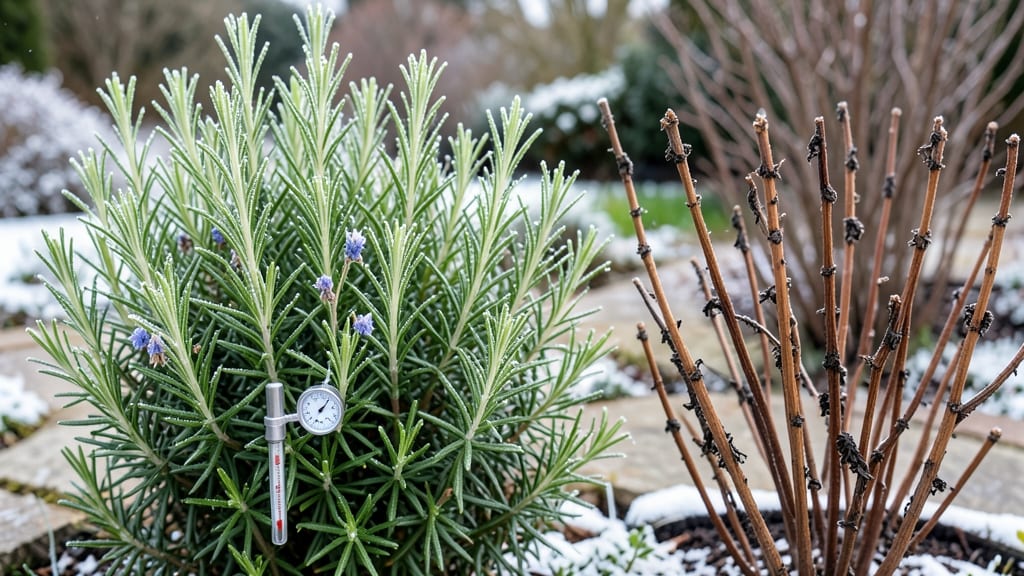
Rosemary bushes don't die in winter when grown in USDA Zones 7-10, though they may experience frost damage in colder regions. These hardy plants survive down to Zone 8 by shedding leaves but regrowing from their roots when temperatures rise. Proper winter care like mulching and protective coverings can prevent severe cold injury.
Rosemary's cold tolerance comes from its woody stems, which act like natural insulation for the plant's core. 🌿 Unlike tender herbs, rosemary can handle light freezes but struggles with prolonged sub-freezing temperatures.
In colder zones, I've seen gardeners use thick mulch layers or even temporary row covers to shield the plants from harsh winds. The key is protecting the roots while allowing airflow to prevent rot—a balance that makes all the difference during winter months.
For container-grown rosemary, moving pots to sheltered locations or wrapping them in bubble wrap adds an extra layer of protection. Pruning back damaged stems in early spring helps stimulate fresh growth, while avoiding heavy pruning in fall can prevent stress before winter sets in.
These small adjustments can mean the difference between a thriving rosemary bush and one that struggles to recover.
💡 In This Article
- Rosemary Cold Hardiness Zones Explained
- Winter Care Tips to Protect Rosemary Bushes
Rosemary cold hardiness zones explained
Rosemary's cold tolerance stems from its Mediterranean origins, where it evolved to survive mild winters and dry summers. The plant's woody stems store moisture and nutrients, acting like a natural insulating layer that protects the plant's core from freezing temperatures.
This makes rosemary perennial in USDA Zones 7-10, where winter temperatures rarely drop below 0°F (-18°C) for extended periods. In Zone 8, rosemary can handle brief dips to -10°F (-23°C), but prolonged exposure below 15°F (-9°C) often causes leaf dieback.
The key difference lies in rosemary's growth structure compared to tender annual herbs. While basil or cilantro would freeze solid in winter, rosemary's semi-woody stems remain alive underground even when above-ground foliage blackens.
This is why you'll often see rosemary bushes appear "dead" in winter only to burst back to life when temperatures rise above 50°F (10°C). The roots can survive much colder conditions than the leaves, which is why proper winter care focuses on protecting the root zone.
Scientifically, rosemary's cold sensitivity comes from its C3 photosynthetic pathway, which makes it vulnerable to frost damage when water in plant cells freezes and expands. At -5°F (-21°C), cell membranes rupture, causing irreversible damage to foliage.
However, the plant's secondary growth (thickened stems) contains specialized cells that can survive these conditions by reducing water content and producing protective compounds like polyphenols, which act as natural antifreeze agents.
Here's how temperature thresholds affect rosemary survival:
- Zones 9-10: Minimal winter care needed; rosemary thrives with no protection beyond normal garden maintenance
- Zone 8: Light mulching (2-3 inches) recommended; plants may lose leaves but regrow fully
- Zone 7: Critical protection needed; mulch 4-6 inches deep and consider temporary row covers
- Zones 6 and below: Treat as annual or grow in containers for winter relocation
The most critical temperature range is 20-32°F (-7 to 0°C), where rosemary experiences cold acclimation stress. This is when the plant's natural antifreeze proteins become overwhelmed, leading to leaf desiccation.
In my Zone 7b garden, I've observed that rosemary bushes left unprotected in this temperature range often recover only 50-70% of their foliage, while properly mulched plants recover nearly 100%.
What most gardeners don't realize is that rosemary's regrowth speed depends on soil temperature more than air temperature. The roots need soil temps above 40°F (4°C) to begin active growth, which is why spring regrowth often lags behind other perennials.
This delayed emergence is normal and not a sign of plant death—just proof that rosemary's survival strategy prioritizes root protection over immediate foliage recovery. 🌱