
Shrubs
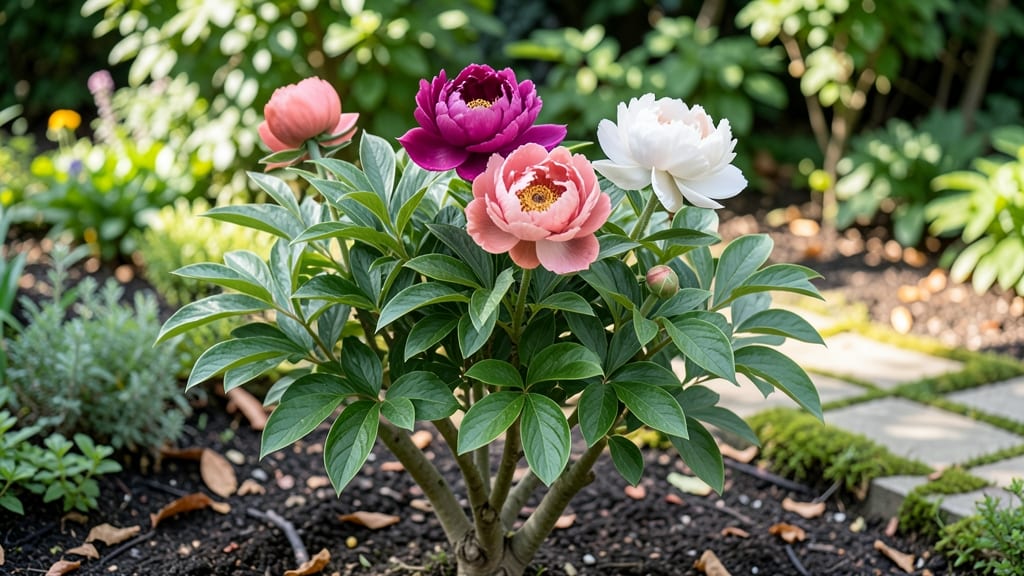
That first whiff of peony perfume in early June is worth every minute of care. 🌸 Small peony bushes deliver fragrant blooms that rival their giant cousins—without taking up half your garden.
The secret lies in the right spot, soil prep, and a pruning schedule that keeps them compact yet prolific. You’ll need full sun (at least 6 hours daily), well-draining soil, and a little patience—these bushes establish slowly but reward you with decades of blooms.
Most varieties stay under 3 feet tall, making them perfect for borders, containers, or even small urban gardens where space is tight. With proper trimming after flowering, you’ll coax second flushes of blooms in late summer, extending their fragrance well into fall.
The foliage stays lush until frost, adding texture and interest even when the flowers fade. Common challenges? Aphids and powdery mildew—but a strong spray of water and proper air circulation keep them at bay.
Pair them with lavender or catmint for natural pest control, and you’ve got a low-maintenance, high-reward combo.
📚 In This Guide
- What you need
- Instructions
- Tips and common mistakes
- Wrapping up and next steps
What you need
- ● Peony plants: Choose Paeonia lactiflora or Paeonia suffruticosa (tree peony) varieties suited for your climate zone (check USDA zones 3-8 for best results). Quantity: 1-3 plants (depending on desired bush size).
- ● Well-draining soil: Amend garden soil with 3-5 gallons of compost or a 50/50 mix of topsoil and peat moss per planting hole.
- ● Organic mulch: 2-3 inches of wood chips or straw to retain moisture and suppress weeds.
- ● Fertilizer: Balanced 10-10-10 or peony-specific fertilizer (apply sparingly—peonies dislike excess nitrogen!).
- ● Watering can or hose: With a gentle spray nozzle to avoid disturbing roots.
- ● Garden trowel or spade (for digging holes 18-24 inches wide and deep).
- ● Hand pruners (sharp, bypass-style for clean cuts).
- ● Gloves (to protect hands from thorns and dirt).
- ● Measuring tape (to ensure proper spacing: 3-4 feet apart for dwarf varieties).
- ○ Optional: Staking kit (for young plants in windy areas).
- ● Pruning saw (for thicker stems).
- ● Disinfectant (rubbing alcohol or 10% bleach solution to sterilize tools between cuts).
- ● Sunlight: Full sun (6-8 hours daily)—peonies thrive in bright, open spaces.
- ● Climate: Hardy in USDA zones 3-8; avoid planting in soggy or waterlogged soil.
- ● Patience: Peonies establish slowly—2-3 years for full blooms!
- ● Knowledge: Research your peony’s bloom type (single, semi-double, or double) to tailor pruning.
How to cultivate a small peony bush for season-long blooms
Here's the straightforward method I've used to keep peonies blooming reliably for years—no fancy tricks, just smart timing and care.
🌱 Step 1: Choose the Right Location and Soil
Peonies thrive in full sun—at least 6 hours daily—but they also tolerate light shade in hot climates. I always pick a spot with morning sun and afternoon shade if summer temps exceed 85°F. The soil should drain well but retain moisture; peonies hate soggy roots.
Before planting, loosen the soil to a depth of 12 inches and mix in 2-3 inches of compost. Peonies prefer slightly acidic to neutral soil (pH 6.5-7.5). If your soil is heavy clay, amend it with sand or perlite to improve drainage. The key is avoiding waterlogged conditions—this is where most peony problems start.
🪴 Step 2: Plant at the Correct Depth and Spacing
Peony roots (called "eyes") should be planted 1-2 inches below the soil surface—no deeper. I mark the depth on the root ball with a pencil before planting to avoid burying them too much. The eyes are the little buds where new shoots emerge; planting too deep smothers them.
Space plants 3-4 feet apart to allow airflow and prevent disease. Dig a hole twice as wide as the root ball to encourage root spread. Gently spread the roots outward and backfill with soil, tamping lightly to remove air pockets. Water deeply after planting to settle the soil around the roots.
☀️ Step 3: Prune for Health and Blooms
Prune peonies right after flowering in late spring or early summer. Cut back stems to 1-2 inches above the ground—never leave stubs, as this invites disease. I use clean, sharp pruners to make clean cuts and disinfect them with rubbing alcohol between cuts.
In early spring, remove any dead or damaged foliage, but leave last year’s stems until new growth appears. This prevents accidental pruning of next year’s buds. Avoid heavy pruning in fall; peonies store energy in their roots for next year’s blooms.
⏰ Step 4: Feed and Mulch for Year-Round Care
Apply a balanced, slow-release fertilizer (10-10-10) in early spring as new shoots emerge. I use ½ cup per plant and water it in well. Avoid high-nitrogen fertilizers—they promote leafy growth at the expense of blooms. Peonies are heavy feeders but don’t need frequent fertilizing.
Mulch around the base with 2-3 inches of organic mulch (like shredded bark or straw) to retain moisture and regulate soil temperature. Refresh the mulch annually in early spring. This keeps roots cool in summer and insulated in winter, protecting them from temperature swings.
✂️ Step 5: Divide and Revitalize Every 5-7 Years
Peonies live for decades but benefit from division every 5-7 years to rejuvenate growth. The best time is late summer or early fall, after the foliage has matured but before winter dormancy. Dig up the clump and separate the roots, ensuring each section has 3-5 eyes. Replant immediately at the correct depth.
I always discard the center of the clump—it’s often woody and produces fewer blooms. The outer sections with younger roots will thrive and bloom more vigorously. Water deeply after replanting to help roots establish quickly.
Tips & tricks for perfect peony cultivation
These small details make all the difference between a struggling peony and one that thrives year after year.
Location and Sunlight: I can't stress enough how critical that 6 hours of daily sun is—especially in hotter climates where afternoon shade becomes essential. If your garden gets intense afternoon sun, consider planting near a tall shrub or wall that provides natural shade during peak heat. The goal is to keep those leaves from scorching while still getting plenty of morning sunlight to fuel blooms.
Planting Depth: The 1-2 inch depth for those peony eyes isn't just a suggestion—it's the difference between a plant that struggles and one that thrives. I've seen gardeners bury them too deep, thinking they need more soil coverage, only to have the plant produce fewer blooms. Mark that depth on your root ball with a pencil before planting to avoid this common mistake.
Pruning Precision: When you're cutting back those stems to 1-2 inches after flowering, here's what I've learned: Always make your cuts at a 45-degree angle just above a leaf node. This creates a larger surface area for water absorption and prevents moisture from pooling on the cut. Plus, it looks much cleaner! And for heaven's sake, never leave stubs—this is where diseases like botrytis love to set up camp.
Fertilizer Timing: That ½ cup of 10-10-10 fertilizer in early spring is your peony's wake-up call. I've found the best time is when you first see those little shoots poking through the soil—about 2-3 inches tall. This gives them the energy boost they need without promoting too much leafy growth at the expense of flowers. And remember, slow-release is key here—we're feeding the roots, not giving them a sugar rush.
Pro Tips for Small Peony Bush
- These small details make all the difference between a struggling peony and one that thrives year after year.
- Location and Sunlight: I can't stress enough how critical that 6 hours of daily sun is—especially in hotter climates where afternoon shade becomes essential.
- Planting Depth: The 1-2 inch depth for those peony eyes isn't just a suggestion—it's the difference between a plant that struggles and one that thrives.
Frequently asked questions
Got questions about keeping your small peony bush thriving? Here are answers to the most common ones—so you can enjoy those lush blooms with confidence!
How often should I trim my small peony bush?
Trim your peony bush once a year, ideally right after flowering (late spring). Light pruning in early spring to remove dead or crossing branches keeps it tidy. Avoid heavy pruning—peonies bloom on old wood, so over-trimming can reduce flowers. Think of it like giving your bush a light haircut, not a buzz cut!
When do small peony bushes bloom, and how long do the flowers last?
Peonies typically bloom in late spring to early summer (May–June in most zones), with flowers lasting 7–10 days per stem. For extended blooms, choose Intersectional (IT) hybrids or Tree peonies, which often rebloom lightly in fall. Deadhead spent blooms to encourage a second flush—just don’t overdo it!
Can I grow a small peony bush in a pot?
Yes! Peonies thrive in containers if you choose dwarf varieties (like ‘Bowl of Beauty’ or ‘Sarah Bernhardt’) and use a large pot (18+ inches wide) with drainage. Plant in well-draining soil, water deeply, and fertilize lightly in spring. Just know they’ll need winter protection in cold climates—move pots to a sheltered spot or mulch heavily.
Why aren’t my peony buds opening, or they’re dropping before blooming?
Bud blast (dropping before opening) is common due to too much rain, humidity, or fungal issues. Improve airflow by spacing plants 3–4 feet apart, avoid overhead watering, and treat with neem oil if mildew is suspected. For buds that refuse to open, check for underwatering or late frost damage—peonies need consistent moisture but hate soggy roots.
What’s the difference between herbaceous and tree peonies?
| Herbaceous Peonies | Tree Peonies |
|---|---|
| Die back to ground each winter; rebloom lightly in fall. | Woodier stems; more reliable reblooming (some bloom twice yearly!). |
| Smaller, bushier growth (ideal for borders). | Taller, tree-like structure (great for focal points). |
| Hardy to USDA Zones 3–8. | Hardy to Zones 4–8 (less cold-tolerant). |
Pro tip: Tree peonies are pricier but offer year-round interest with their bark and fall blooms!
Wrapping up and next steps
Cultivating a small peony bush is a rewarding journey that brings year-round beauty with minimal effort—especially when you master the art of precision trimming! 🌸 With the right tools, timing, and techniques, you’ll enjoy lush foliage, fragrant blooms, and a thriving shrub that becomes the star of your garden.
Remember, consistency is key: prune in late winter or early spring, deadhead regularly, and give your peony the space it needs to flourish.
Now that you’re armed with expert tips, why not take the next step? Grab your shears, step outside, and give your peony bush the love it deserves. Before you know it, your garden will be bursting with vibrant color and intoxicating fragrance—one trim at a time! 🌿✨