
Pruning
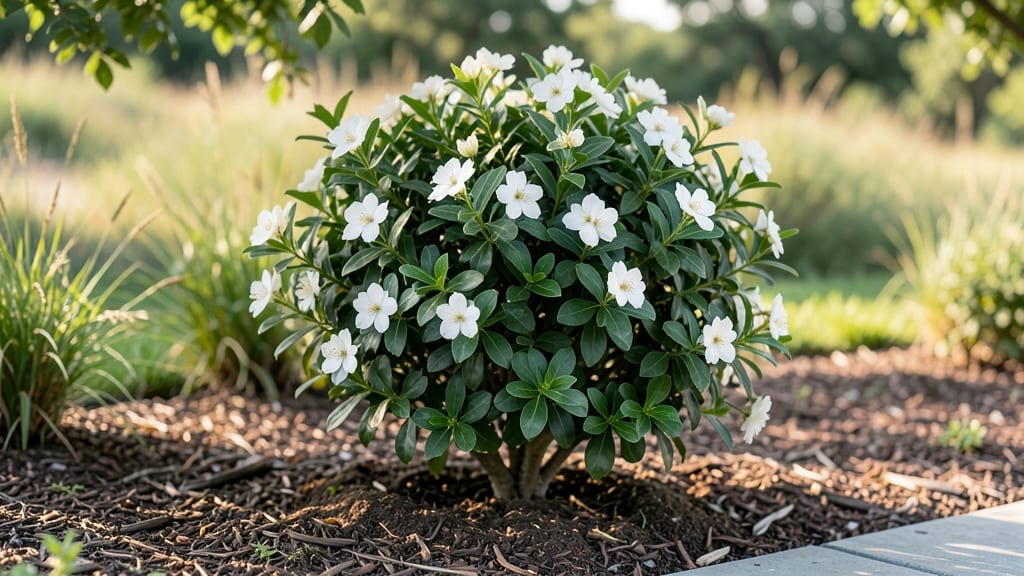
This fragrant miniature mock orange bush (Philadelphus microphyllus) packs all the sweet, intoxicating scent of its larger cousins into a compact package perfect for small spaces. 🌿 I fell in love with it after struggling to fit full-sized shrubs into my tiny courtyard—this little powerhouse thrives in containers and delivers year-round blooms with almost no fuss.
The secret to its success lies in three simple pruning tricks that keep it bushy, encourage more flowers, and prevent leggy growth. Unlike its high-maintenance relatives, this dwarf variety handles pruning like a champ—just time it right, and you'll have fragrant blossoms from spring through fall.
Even in my partially shaded corner, it puts on a show with delicate white flowers that smell like orange blossoms. You'll end up with a neighborhood-scented garden corner that attracts pollinators and fills your space with natural perfume.
The glossy foliage stays lush year-round, and with proper care, it grows 3-5 feet tall—just enough to frame a doorway or spill beautifully over a pot's edge. Works equally well in ground beds, large containers, or even as a privacy screen along a fence.
Here's how to keep yours thriving without the work of traditional mock orange varieties.
📚 In This Guide
- What you need
- Instructions
- Tips and common mistakes
- Wrapping up and next steps
What you need
- ● Miniature mock orange plant: 1 nursery-grown bush (3–4 feet tall at maturity) or 1-gallon container plant for smaller spaces.
- ● Well-draining potting mix: 1 bag (10–15 cubic feet) of high-quality, organic mix (e.g., Miracle-Gro Potting Mix or FoxFarm Ocean Forest).
- ○ Container (optional for potted plants): 1 large ceramic or fabric pot (12–18 inches in diameter) with drainage holes, or
- ● 1 in-ground planting site with loose, fertile soil (pH 6.0–7.0).
- ● Slow-release fertilizer: 1 packet (e.g., Osmocote Smart-Release Flower & Vegetable for 3–4 months of nutrients).
- ● Pruning tools: 1 pair of bypass pruners (sharp, clean, and sterilized with rubbing alcohol).
- ● 1 pair of hand pruners (for smaller stems).
- ● 1 loppers (for thicker branches, if needed).
- ● Mulch: 2–3 bags of organic mulch (e.g., pine bark fines or shredded cedar) to retain moisture.
- ● Garden gloves (nitrile-coated for grip and protection).
- ● Knee pad (for comfort during pruning or planting).
- ● Hose or watering can with a gentle spray nozzle (for post-pruning hydration).
- ● Plant support (e.g., 1–2 small stakes or a tomato cage if training the bush vertically).
- ● Pruning sealant (e.g., Tanglefoot Tree Wound Pruning Sealer) to prevent disease on larger cuts.
- ● Garden twine (for tying branches to supports).
- ● pH test kit (to check soil acidity before planting).
How to grow a fragrant miniature mock orange bush
This compact, fragrant shrub thrives with minimal fuss and rewards you with intoxicating blooms all season long.
🌱 Step 1: Choose the Right Location and Soil
Miniature mock orange (Philadelphus microphyllus) loves full sun to partial shade—at least 6 hours of direct sunlight daily for best flowering. I plant mine where morning sun warms the foliage but afternoon shade prevents wilting during summer heat. The soil should drain well but retain moisture; amending heavy clay with compost or sand improves drainage dramatically.
Dig a hole twice as wide as the root ball but only as deep—planting too deep suffocates roots. Loosen the soil at the bottom of the hole with your fingers to encourage root spread. The shrub tolerates a range of soil types but performs best in slightly acidic to neutral pH (6.0-7.0). Test your soil before planting; lime or sulfur can adjust pH if needed.
☀️ Step 2: Plant and Water for Immediate Establishment
Gently remove the plant from its container and tease the roots outward if they're circling. Place it in the hole so the top of the root ball sits 1 inch above soil level—settling will occur after watering. Backfill with native soil, tamping lightly every 2 inches to eliminate air pockets without compacting roots.
Water deeply right after planting—soak the root zone until water runs out the bottom of the hole. This encourages roots to grow outward instead of staying clustered. Mulch with 2-3 inches of organic mulch (like shredded bark) to retain moisture and suppress weeds, but keep mulch 3 inches away from the stem to prevent rot.
✂️ Step 3: Prune for Shape and Blooms
Prune immediately after flowering to maintain shape and encourage next year's blooms. Remove dead, crossing, or weak branches first—these compete with healthy growth for resources. Cut just above a bud or outward-facing leaf to promote bushier growth. I never prune more than 25% of the plant in one season; aggressive cuts reduce flowering.
For year-round blooms, I do a light shaping trim in late winter (before buds swell) to remove any deadwood and open the center for airflow. Avoid heavy pruning in fall—this shrub sets next year's flower buds in late summer, and cutting back too much removes potential blooms.
💧 Step 4: Maintain Through the Seasons
Water deeply once a week during the first growing season to establish roots, then taper to every 10-14 days once established—mock orange is surprisingly drought-tolerant once mature. You'll know it's thirsty when leaves start curling at the edges; that's your cue to water slowly at the base (never overhead) to avoid fungal issues.
Fertilize lightly in early spring with a balanced, slow-release fertilizer (10-10-10). Too much nitrogen produces lush foliage at the expense of flowers. I skip fall fertilization—this shrub stores enough energy in its roots to fuel next year's blooms without extra help.
🌿 Step 5: Protect and Enjoy Year-Round
Mock orange handles cold well but may need winter mulch in harsh climates (below Zone 5). Apply 4-6 inches of mulch after the ground freezes to insulate roots, then remove it in early spring. The shrub's glossy leaves stay attractive year-round, and its highly fragrant white flowers bloom from late spring to summer, with occasional fall reblooms.
Watch for aphids on new growth—spray with neem oil if you see sticky residue on leaves. Otherwise, this shrub is pest-resistant and disease-free with proper care. The real magic? Snipping a few blooms and inhaling their intense orange-blossom scent—it's why I grow this instead of roses.
Tips & tricks for perfect miniature mock orange bush growth
These simple tricks will help you coax the most fragrance and blooms from your compact mock orange shrub.
Location Intelligence: That 6 hours of sunlight is non-negotiable for maximum blooms, but here's the secret: position your shrub where it gets morning sun and afternoon shade. This prevents afternoon wilting while still giving it enough light to fuel those intoxicating flowers. I've noticed my bushes in full afternoon sun get stressed during summer heat waves—watch for leaf curling as a warning sign.
Planting Precision: When placing your shrub in the hole, resist the urge to bury it too deeply. That 1 inch above soil level recommendation isn't just arbitrary—it prevents root suffocation while allowing room for soil settling. I learned this the hard way after seeing a neighbor's mock orange struggle with poor drainage from being planted too deep.
Pruning Strategy: The 25% pruning limit in one season is crucial—this shrub produces flowers on old wood, so aggressive cuts remove next year's blooms. I mark my pruning cuts with a piece of twine to remind myself of the 25% rule. For that late winter shaping trim, focus on opening the center for airflow while preserving the natural shape that makes this shrub so charming.
Seasonal Care: That 4-6 inches of winter mulch in Zone 5 or colder is your insurance policy against winter dieback. I apply it after the ground freezes to prevent temperature fluctuations that can stress the roots. In milder climates, a 2-3 inch layer of mulch is plenty—just remember to keep it away from the stem to prevent rot.
Pro Tips for Miniature Mock Orange Bush
- These simple tricks will help you coax the most fragrance and blooms from your compact mock orange shrub.
- Location Intelligence: That 6 hours of sunlight is non-negotiable for maximum blooms, but here's the secret: position your shrub where it gets morning sun and afternoon shade.
- Planting Precision: When placing your shrub in the hole, resist the urge to bury it too deeply.
Frequently asked questions
How do I know when to prune my miniature mock orange bush?
Prune your mock orange after flowering (late spring to early summer) to encourage more blooms. Lightly shape it in early spring if needed, but avoid heavy cuts—these shrubs bloom on old wood. Think of it like giving your bush a haircut after a party—neat but not drastic!
Can miniature mock orange bushes survive winter in cold climates?
Yes! These hardy shrubs tolerate USDA Zones 6-9. In colder areas, mulch the base with 3-4 inches of organic mulch (like shredded bark) to protect roots. A light frost cloth can shield new growth if temps drop below 15°F. Think of it like tucking your bush into a cozy blanket!
Why isn’t my miniature mock orange bush blooming?
Common culprits: over-pruning (cutting back too much), poor sunlight (they need 6+ hours of sun), or nutrient deficiencies. Feed with balanced fertilizer in early spring and ensure it’s not crowded by other plants. Patience helps—some bushes take 2-3 years to mature!
What’s a good alternative if I can’t grow miniature mock orange?
Try these fragrant, low-maintenance shrubs:
- Dwarf Gardenia (creamy blooms, loves shade)
- Lavender (drought-tolerant, purple spikes)
- Dwarf Lilac (compact, spring fragrance)
- Abelia (year-round interest, pink blooms)
How do I keep pests away from my mock orange bush?
Mock orange bushes are generally pest-resistant, but watch for aphids or scale insects. Spray with neem oil or insecticidal soap if needed. Encourage beneficial insects (like ladybugs) by planting nearby herbs like rosemary or thyme. A little prevention = happy blooms!
Wrapping up and next steps
Your miniature mock orange bush is now ready to reward you with its intoxicating fragrance and stunning blooms year after year! 🌸 With the right pruning techniques—early spring shaping, post-bloom cleanup, and seasonal maintenance—you’ll keep this beauty thriving and lush.
The key? Consistency and patience—soon, your garden will be the envy of the neighborhood with its delicate, citrusy scent.
Ready to take it further? Experiment with companion plants like lavender or roses to create a fragrant, low-maintenance garden oasis. Happy gardening! 🌿