
Pruning
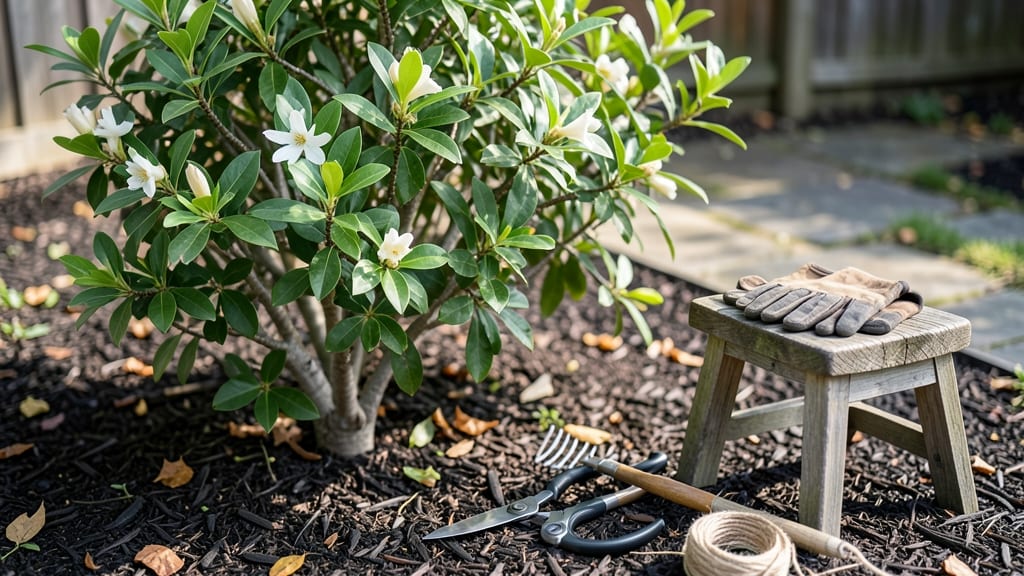
Pruning your mock orange bush (Philadelphus) at the wrong time means fewer blooms next spring—here’s how to time those cuts for year-round revival. ✨ The secret lies in three strategic cuts: removing dead wood, shaping for airflow, and thinning crowded branches.
I’ve pruned mine for five years now, and the difference between a neglected bush and one bursting with fragrant white blooms is all in the timing and technique.
Start with clean, sharp pruners and gloves—mock orange branches can be thorny, and you’ll want to avoid spreading disease. The best time to prune is late winter or early spring, just as new growth begins but before buds swell.
If you’re light-pruning to shape, you can do it after flowering too, but never cut back into old, bare wood—those branches won’t regrow. A pair of hand pruners and a small saw for thicker stems are all you’ll need.
You’ll end up with a bush that flowers heavier and longer, with branches spaced just right for sunlight and airflow. The blooms stay fragrant for weeks, and the shape stays lush without looking overcrowded.
After pruning, give it a light watering and a slow-release fertilizer to encourage fresh growth. Monitor for pests like aphids, which love new shoots—neem oil spray keeps them at bay.
Here’s the kicker: skip the heavy-handed cuts, and you’ll avoid stressing the plant. Mock orange bushes are tough, but they’ll sulk if you over-prune. Stick to one-third of the plant’s height max, and you’ll keep it thriving for decades. Now grab those shears—your bush is waiting.
📚 In This Guide
- What you need
- Instructions
- Tips and common mistakes
- Wrapping up and next steps
What you need
- ● Bypass pruners – Sharp, high-quality (e.g., Felco F-2 or Corona bypass pruners). 1 pair is all you need for small to medium stems (up to ½ inch thick).
- ● Loppers – For thicker branches (½ to 1½ inches). 1 pair with a long handle for reach.
- ● Pruning saw – For thick, woody stems (1½+ inches). 1 saw with a curved blade for precision.
- ● Gloves – Heavy-duty, cut-resistant (e.g., Mechanix or leather gardening gloves). 1 pair to protect from thorns and sap.
- ● Disinfectant – Rubbing alcohol (70%+) or pruning sealant. Small bottle to sterilize tools between cuts and prevent disease.
- ● Extension pole – For high branches. 1 pole with a pruner attachment.
- ● Plant tie or twine – To secure branches after pruning. Small roll (¼ inch wide).
- ● Trash bags – For cleaning up pruned debris. 2-3 bags (heavy-duty if branches are large).
- ○ Hand lens or magnifier – To spot pests or disease up close. 1 small lens (optional but handy!).
- ● Check the weather forecast – Prune on a dry, overcast day to avoid stressing the plant.
- ● Identify dead, diseased, or crossing branches before starting.
- ● Have a clear workspace – Remove weeds, rocks, or obstacles around the bush.
Instructions for pruning mock orange bushes
Reviving your mock orange bush's blooms starts with these three strategic cuts—timed perfectly for maximum flowers.
✂️ Step 1: Prune Immediately After Flowering
Once your mock orange bush finishes blooming—usually in late spring or early summer—grab your pruners and cut back any spent flowers. This removes seed pods before they form, redirecting the plant's energy toward next year's blooms instead of seed production. Look for clusters where the flowers have faded and small green pods begin to swell; those are your targets.
Make clean cuts just above a leaf node or outward-facing bud, angling the cut slightly downward to prevent water from pooling. I like to step back after each cut to check the plant's shape—mock orange bushes naturally grow in a rounded form, so avoid creating a flat top. This first pruning is all about cleanup and preparing for summer's heat.
✂️ Step 2: Light Summer Pruning for Airflow
In mid-summer, when new growth appears but before fall, do a second pass with your pruners. Focus on removing any crossing branches or stems growing inward toward the center of the bush. These crowded branches compete for sunlight and nutrients, producing fewer flowers. You'll know you're doing it right when you see more light reaching the inner leaves.
This is also the time to thin out any overly long or leggy branches by cutting them back to a strong lateral branch. Never remove more than one-third of the plant's foliage in a single session—mock orange bushes are tough but not invincible. After pruning, give the bush a deep watering to help it recover from the stress.
✂️ Step 3: Late Winter Renewal Cut
In late winter, before new growth begins, do your most aggressive pruning. Mock orange bushes bloom on old wood, so this cut encourages fresh, vigorous growth for next season's flowers. Start by removing any dead, diseased, or weak branches—these are easy to spot as they're often brown, brittle, or lack leaves.
Next, cut back about one-third of the oldest stems to the ground. This might sound drastic, but trust me—it rejuvenates the bush. Focus on the thickest, oldest branches first. Afterward, shape the bush by trimming back any remaining branches that are too long or out of place. Finish with a fresh layer of mulch around the base to protect new growth as temperatures warm.
Tips & tricks for perfect mock orange bush pruning
Real talk: Pruning mock orange bushes isn't just about cutting branches—it's about strategic timing and precision that makes all the difference for those fragrant blooms.
Timing is Everything: The instructions mention pruning after flowering, but here's what nobody tells you—if you miss that late spring/early summer window, you risk encouraging seed production instead of next year's flowers. I've seen people prune too late in summer and end up with fewer blooms the following spring. Mark your calendar for when those fragrant flowers fade, and don't delay!
Tool Selection Matters: While the instructions don't specify, I can't emphasize enough how important sharp, clean pruners are. Dull blades crush stems instead of making clean cuts, which can damage the plant and invite disease. I keep a pair of bypass pruners specifically for my mock orange bushes, and I sharpen them annually. For thicker branches, I use loppers—never hedge shears, as they can tear the bark.
Shape Matters More Than You Think: The instructions mention maintaining a rounded shape, but here's the secret—mock orange bushes naturally grow in a vase-like form. When pruning in Step 2, focus on opening up the center while maintaining that natural taper. Think of it like styling a topiary: you want to encourage outward growth rather than creating a flat, umbrella-like shape. This airflow strategy isn't just about looks—it prevents fungal issues that can plague dense foliage.
Winter Prep Secret: That late winter renewal cut might feel drastic, but there's a method to the madness. When you cut back one-third of the oldest stems, you're not just removing dead wood—you're creating space for new growth that will produce next year's flowers. Pro tip: After your aggressive winter pruning, apply a 2-3 inch layer of organic mulch around the base. This protects new shoots from temperature fluctuations and retains moisture during spring's dry spells.
Pro Tips for Mock Orange Bush Pruning
- Real talk: Pruning mock orange bushes isn't just about cutting branches—it's about strategic timing and precision tha...
- Timing is Everything: The instructions mention pruning after flowering, but here's what nobody tells you—if you miss ...
- Tool Selection Matters: While the instructions don't specify, I can't emphasize enough how important sharp, clean pru...
Frequently asked questions
about mock orange bush pruning—because even pros need a little guidance! Here are answers to the most common questions to keep your shrub thriving and blooming.When is the best time to prune a mock orange bush?
The ideal time is late winter or early spring (just before new growth starts) for general shaping. For light deadheading, prune after blooms fade in late spring or summer to encourage more flowers. Avoid heavy pruning in fall—it can stimulate tender growth that won’t survive winter.
How much can I prune my mock orange bush?
Mock orange bushes are tough! You can lightly prune up to 1/3 of the plant annually without harm. For rejuvenation, prune back older stems by 1/2 to 1/3 in late winter. Just avoid over-pruning—these shrubs bloom on old wood, so don’t cut back too aggressively.
What if my mock orange bush isn’t blooming?
Check these fixes:
- Prune too late (after summer)? Blooms may be cut off.
- Not enough sun? Mock orange needs full sun (6+ hours/day).
- Over-fertilizing? Too much nitrogen reduces flowers.
- Old stems? Prune back 1/3 of oldest stems to rejuvenate.
Can I prune mock orange bushes in fall?
Light pruning (like removing dead branches) is fine in early fall, but avoid heavy cuts. Fall pruning can stimulate new growth that won’t harden off before winter, leaving your bush vulnerable to frost damage. Save major pruning for late winter!
What if my mock orange bush looks leggy?
Leggy growth often means too little light or overcrowding. Thin out competing branches to improve airflow, and prune back overly long stems by 1/3 to encourage bushier growth. If space is tight, consider transplanting to a sunnier spot!
What should I do if I accidentally prune too much?
Don’t panic! Mock orange bushes are resilient. Water deeply after pruning and apply a balanced fertilizer (like 10-10-10) to support recovery. If you cut back too many old stems, you might see fewer blooms that year—but new growth should fill in over time.
Wrapping up and next steps
Pruning your mock orange bush doesn’t have to be intimidating—it’s all about timing, technique, and a little TLC! 🌿 With just three strategic cuts—spring shaping, post-bloom cleanup, and late-winter renewal—you’ll keep your bush thriving and blooming year after year.
Remember, sharp tools and patience are your best friends, and soon, you’ll be rewarded with fragrant blooms that’ll make your garden the envy of the neighborhood.
Ready to take the next step? Grab those shears and give your mock orange bush the fresh start it deserves! For extra confidence, bookmark this guide or snap a photo of your progress—before-and-after transformations are always satisfying! 🌸