
Shrubs
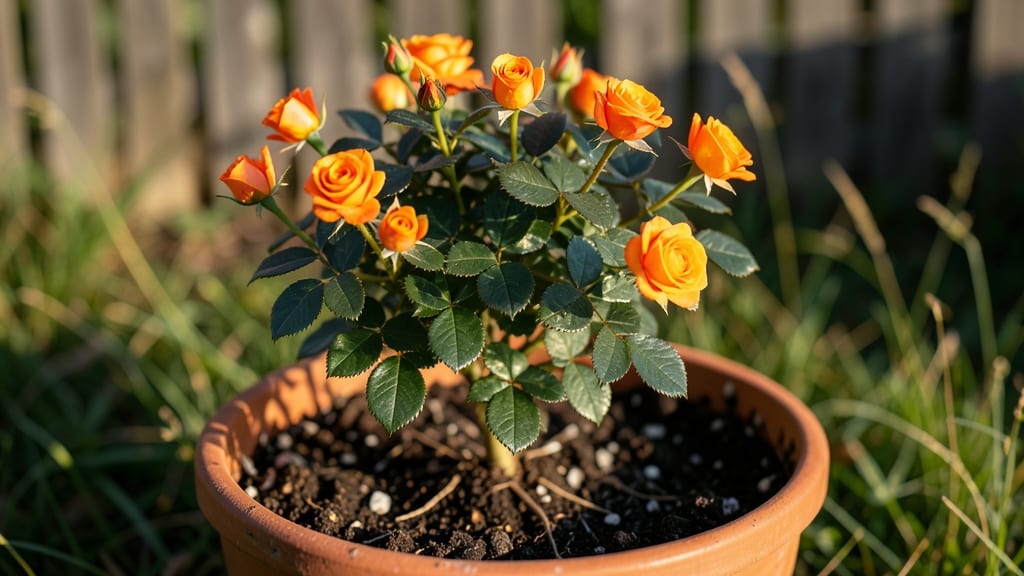
Growing a miniature orange rose bush is like bringing a burst of sunshine to your garden—compact, vibrant, and impossible to ignore. 🌸 I’ve nurtured these little powerhouses for years, and they never fail to deliver those cheerful, velvety blooms that last for weeks.
The secret lies in mimicking their natural habitat: full sun, well-draining soil, and just enough water to keep their roots happy without drowning them.
These roses thrive in partial to full sun, so pick a spot where they’ll get at least 6 hours of sunlight daily. The soil should be rich, loamy, and amended with compost—think of it as giving them a fluffy, nutrient-packed bed to stretch their roots into.
Watering is key: keep the soil moist but not soggy, especially during their first year when they’re establishing themselves.
Pruning might sound intimidating, but it’s all about shaping and encouraging new growth. After the first flush of blooms fades, trim back leggy stems to promote bushier growth and more flowers. A light feeding with rose-specific fertilizer every 4-6 weeks during growing season keeps those blooms bold and bright.
Winter can be tricky, but a thick layer of mulch and a cozy burlap wrap around the bush will protect it from frost. With the right care, your miniature orange rose will reward you with season-after-season blooms that turn heads and fill your garden with that intoxicating rose perfume.
📚 In This Guide
- What you need
- Instructions
- Tips and common mistakes
- Wrapping up and next steps
What you need
- ● Miniature Orange Rose Bush: Choose a healthy, disease-resistant variety (e.g., 'Fairy Rose' or 'Orange Crush').
- ● Pot or Garden Bed: Container: 12–15" diameter pot with drainage holes (terracotta or ceramic preferred).
- ● Garden: Well-draining soil in a sunny spot (6+ hours of light daily).
- ● Potting Mix: 1 bag (5–10 lbs) of high-quality, well-draining soil blend (e.g., 60% garden soil, 30% perlite, 10% compost).
- ● Fertilizer: Balanced fertilizer (10-10-10) or rose-specific formula (1 lb).
- ○ Slow-release granules (optional but recommended for steady growth).
- ● Watering Can or Hose: With a gentle spray nozzle for hydration.
- ● Pruning Shears: Sharp, sterilized shears (for shaping and deadheading).
- ● Mulch: Organic mulch (e.g., shredded bark or straw) to retain moisture.
- ● Epsom Salt: 1 tbsp monthly for magnesium boost (promotes vibrant blooms).
- ● Rose Tone Fertilizer: Liquid feed for extra color intensity.
- ● Support Stake: 1–2 small stakes (for training vines if needed).
- ● Pest Control: Neem oil or insecticidal soap (preventative measure).
- ● Decorative Elements: Gravel, pebbles, or garden markers for aesthetic flair.
Step-by-step instructions for cultivating a miniature orange rose bush
Here’s how to coax vibrant orange blooms from a compact rose bush—no green thumb required.
☀️ Step 1: Select the Perfect Planting Spot
Miniature orange roses thrive in full sun—at least 6-8 hours of direct sunlight daily. I always check the sunniest spot in my yard, even if it means sacrificing a shadier corner for the roses. South-facing walls or patios work beautifully, but avoid areas where afternoon shade cuts sunlight short.
Test your spot for a few days before planting. If the ground stays dry and warm to the touch, it’s ideal. These roses hate soggy roots, so well-draining soil is non-negotiable. Amend heavy clay with 2-3 inches of compost to improve aeration—this prevents root rot and encourages robust growth.
🪴 Step 2: Prepare the Soil and Plant with Care
Dig a hole twice as wide as the rose’s root ball but only as deep as the container it came in. Loosen the roots gently if they’re circling—this prevents girdling as the plant matures. Place the rose in the hole so the graft union (the swollen bump near the base) sits 1-2 inches above soil level. This protects against moisture damage.
Backfill with the amended soil, pressing lightly to remove air pockets. Water deeply until the soil settles—you’ll see it sink about an inch. Mulch around the base with 2-3 inches of organic mulch (like shredded bark) to retain moisture and regulate temperature. Keep mulch 3 inches away from the stem to avoid rot.
💧 Step 3: Water and Fertilize for Strong Growth
Water deeply 2-3 times per week during the first month, ensuring the soil is moist 6 inches down. You’ll know it’s right when water drains through the bottom of the hole—no puddles, no bone-dry soil. After establishment, water once a week unless it’s unusually hot or dry. Overwatering is the #1 killer of miniature roses.
Feed with a balanced rose fertilizer (10-10-10 or similar) every 4-6 weeks starting in spring. I mix it into the soil around the drip line—never directly on the roots. Stop fertilizing 6-8 weeks before the first frost to encourage dormancy. Yellow leaves? You’re overdoing it—flush the soil with water and cut back.
✂️ Step 4: Prune for Bushier Blooms and Seasonal Health
Prune early spring (just as new growth starts) to shape the bush and encourage branching. Remove dead, crossing, or inward-growing stems first—these compete for energy. Cut back last year’s blooms to the first outward-facing bud below the bloom cluster. This redirects energy to new growth, not spent flowers.
Deadhead spent blooms weekly by pinching off the faded flower and the first set of leaves below it. This triggers more blooms and keeps the plant tidy. In fall, prune again to half the plant’s height, removing any weak or diseased stems. A sharp pair of bypass pruners (not hedge clippers) ensures clean cuts that heal faster.
🌿 Step 5: Overwinter for Next Year’s Color
Before the first frost, apply 4-6 inches of mulch around the base to insulate roots. I wrap the bush in burlap or a rose cone if temperatures dip below 20°F, but most miniature roses survive mild winters with just mulch. Water sparingly in winter—only if the ground is frozen solid.
In early spring, remove winter protection and prune out any dead wood. Watch for new growth in 2-3 weeks—that’s your cue to resume regular care. With consistent attention, your miniature orange rose will reward you with continuous blooms from spring to fall.
Tips & tricks for perfect miniature orange rose bush cultivation
Common pitfalls—and how to sidestep every one—when growing these vibrant little powerhouses.
Sunlight Strategy: Those 6-8 hours of direct sunlight are non-negotiable, but here's the thing: morning sun with afternoon shade works better than harsh afternoon rays in hot climates. I've seen miniature roses scorch in full afternoon sun—look for a spot where the leaves stay cool and crisp, not crispy. If your yard lacks ideal sunlight, consider a south-facing window or a portable grow light for supplemental exposure during cloudy days.
Soil Preparation Secret: The 2-3 inches of compost recommendation is just the beginning. For heavy clay soils, mix in 1 part perlite or coarse sand to 3 parts soil to create a proper drainage system. I learned this the hard way after watching roots drown in compacted clay—now I always do a "percolation test" by digging a hole, filling it with water, and timing how quickly it drains. If it takes more than 30 minutes, you need to amend that soil.
Watering Wisdom: That 6 inches deep moisture check during the first month is crucial, but timing matters just as much. Water in the early morning so leaves have all day to dry—this prevents fungal diseases that love damp foliage. I use a rain gauge to track weekly rainfall and adjust my watering schedule accordingly. If you get 1 inch of rain, skip your scheduled watering that week entirely.
Pruning Precision: When deadheading those spent blooms weekly, always cut just above a set of healthy leaves or an outward-facing bud. This encourages branching and more blooms. I keep a small pair of bypass pruners in my gardening apron for quick touch-ups—never use hedge clippers, as they crush stems and create jagged cuts that invite disease. For the early spring pruning, aim to remove about one-third of the plant's height to maintain that compact shape while encouraging new growth.
Pro Tips for Miniature Orange Rose Bush
- Common pitfalls—and how to sidestep every one—when growing these vibrant little powerhouses.
- Sunlight Strategy: Those 6-8 hours of direct sunlight are non-negotiable, but here's the thing: morning sun with afte...
- Soil Preparation Secret: The 2-3 inches of compost recommendation is just the beginning. For heavy clay soils, mix in...
Frequently asked questions
Got questions about your miniature orange rose bush? You’re not alone! Whether you're a first-time grower or a seasoned gardener, these answers will help you nurture vibrant blooms with ease.
How much sunlight does a miniature orange rose bush need?
A miniature orange rose bush thrives in full sun (6–8 hours daily). While it can tolerate partial shade (4–6 hours), expect fewer blooms and leggy growth. If your garden lacks direct sunlight, consider a south-facing window or a grow light for container plants.
How often should I water my miniature orange rose bush?
Water when the top 1–2 inches of soil feel dry—typically 2–3 times per week in warm weather, less in cooler months. Overwatering is risky, so ensure pots have drainage holes and mulch to retain moisture. Morning watering prevents fungal issues.
When and how should I prune my miniature orange rose bush?
Prune in early spring (before new growth) or after blooming to shape the plant. Use clean, sharp shears to cut back dead or weak stems by ⅓ of their length. Remove spent blooms regularly to encourage more flowers. Avoid heavy pruning in fall—it can stress the plant.
What pests should I watch for, and how do I treat them?
Common pests include aphids, spider mites, and rose slugs. Treat mild infestations with a soapy water spray or neem oil. For severe cases, use insecticidal soap or introduce ladybugs. Inspect leaves weekly and remove affected foliage promptly.
Can I grow a miniature orange rose bush in a container?
Use a container at least 12–15 inches deep with well-draining soil. Choose a pot with holes for drainage and repot every 2–3 years to refresh the soil. Dwarf varieties like ‘Fairyland’ or ‘Iceberg’ are perfect for containers. Place it where it gets bright, indirect light if indoors.
Wrapping up and next steps
A miniature orange rose bush brings vibrant charm and low-maintenance beauty to any garden or patio—proving that big impact doesn’t require big space! 🌸 With the right care, these sun-loving shrubs reward you with months of cheerful blooms, effortlessly brightening up containers, borders, or even indoor spots with natural light.
Ready to transform your space? Start by picking your favorite variety, gather your supplies, and follow the simple steps to plant and nurture your new rosy companion. Watch those tiny buds grow into a burst of sunshine—your garden (and your neighbors!) will thank you. 🌞