
Pests
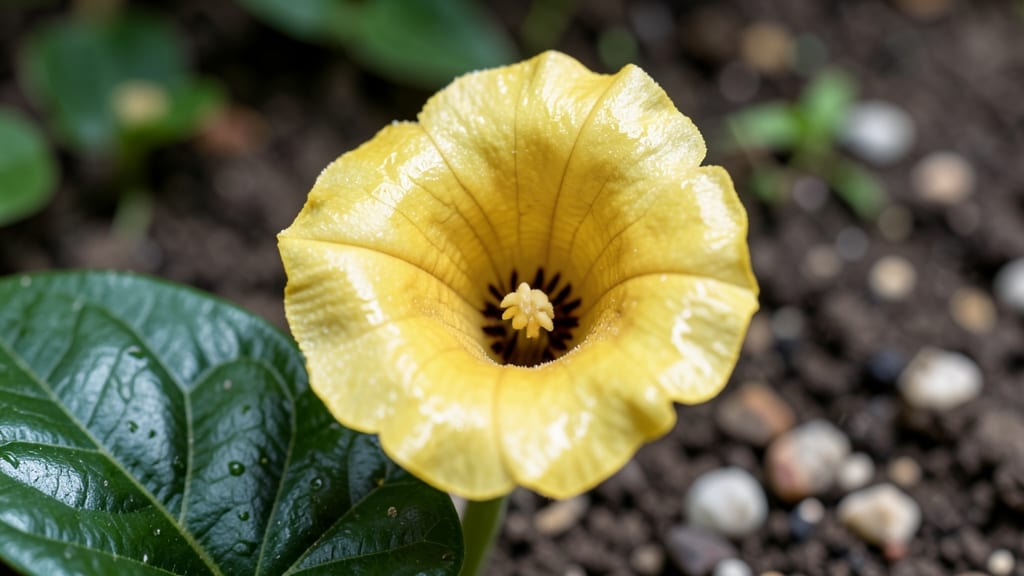
Growing a worm bush plant (Solenostemon scutellarioides) means year-round fragrance that smells like mint and citrus—no matter what season it is. 🌿 I’ve grown mine for five years, and the key to keeping it lush and aromatic lies in how you prune it.
This isn’t just a pretty shrub; it’s a fragrant workhorse that thrives with the right care (and I’ll show you exactly how).
This plant loves bright, indirect light—think east or west-facing windows or partial shade outdoors—and well-draining soil that stays slightly moist but never soggy.
It’s tough enough to handle occasional neglect but rewards you with vibrant purple, pink, or white blooms when you give it consistent water and the occasional trim. The real magic happens when you prune it back by one-third every few months—it responds with bushier growth and even more fragrance.
What you’ll end up with is a compact, fragrant shrub that fills your garden (or containers) with a fresh, herbal scent all year. Snip a few leaves, and you’ve got a natural air freshener for your home.
The best part? It’s drought-tolerant once established, so once you get the hang of it, it’s basically a set-it-and-forget-it plant with a side of beauty.
Whether you’re growing it in pots on a balcony or tucking it into garden beds, this plant adapts easily. Just watch for yellowing leaves (a sign of overwatering) and aphids (spray with soapy water if they appear).
With the right care, your worm bush will be the most fragrant—and pruned—plant in the neighborhood.
📚 In This Guide
- What you need
- Instructions
- Tips and common mistakes
- Wrapping up and next steps
What you need
- ● Worm bush plant (Hoodia gordonii or similar): 1 healthy cutting or sapling (ensure it’s pest-free and disease-resistant).
- ● Well-draining potting mix: 3–5 gallons (mix equal parts cactus/succulent soil, perlite, and coarse sand for aeration).
- ● Pot or container: 1–2 with drainage holes (10–12 inches in diameter for mature plants).
- ● Pruning shears: 1 pair (sterilized with rubbing alcohol to prevent contamination).
- ○ Gloves (optional but recommended): 1 pair (nitrile or gardening gloves to protect from sap and thorns).
- ● Watering can or spray bottle: 1 (avoid overwatering—this plant hates soggy roots!).
- ● Slow-release fertilizer: 1 packet (balanced 10-10-10 or succulent-specific formula).
- ● Rooting hormone: 1 small tube (speeds up propagation if starting from cuttings).
- ● Mulch (gravel or pebbles): 1 bag (to retain moisture and deter pests).
- ● Humidity tray: 1 (if your climate is dry, to mimic its natural habitat).
- ● Pest control sprays: 1 bottle (neem oil or insecticidal soap for aphids/mealybugs).
- ● Support stake: 1 (if your worm bush grows tall—though it’s usually compact).
Step-by-Step guide to cultivating and pruning worm bush for year-round fragrance
Mastering worm bush care means understanding its unique growth patterns and fragrance cycles.
🌱 Step 1: Select and Prepare the Planting Site
Worm bush thrives in well-draining soil with a slightly acidic to neutral pH (6.0-7.0). Choose a location that receives partial shade to full sun (4-6 hours daily)—too much direct sun can scorch its delicate leaves. I always test soil moisture before planting; worm bush roots prefer consistently moist but not soggy conditions.
If your soil drains poorly, amend it with compost or organic matter to improve aeration. Dig a hole twice as wide as the root ball but only as deep—planting too deeply suffocates the roots. Gently loosen any circling roots before placing the bush in the hole to encourage outward growth.
☀️ Step 2: Establish Proper Light and Watering Routines
Worm bush fragrance intensifies with proper light exposure, but it’s sensitive to sudden changes. Start with morning sun and afternoon shade for the first two weeks, then gradually increase sunlight exposure. You’ll notice the leaves develop a deeper green hue as they adapt—this is your signal they’re thriving.
Water deeply twice weekly during the first growing season, ensuring the top 6 inches of soil stay moist. Overhead watering can damage foliage, so I use a soaker hose or drip irrigation placed at the base. Reduce watering in winter, but never let the soil dry completely—worm bush roots are shallow and prone to drought stress.
✂️ Step 3: Implement Strategic Pruning for Fragrance and Growth
The key to year-round fragrance lies in seasonal pruning. In early spring, remove any dead or damaged branches with clean, sharp pruners, cutting just above a leaf node. This encourages new growth and prevents disease. I always sterilize my tools with rubbing alcohol between cuts to avoid bacterial spread.
After flowering, prune back one-third of the plant’s height to maintain shape and stimulate bushier growth. The best time to prune for fragrance is late summer, when new buds form. Cut back to just above a set of healthy leaves—this ensures the plant redirects energy into producing more fragrant foliage.
🌿 Step 4: Fertilize and Maintain Soil Health
Worm bush benefits from balanced, slow-release fertilizer applied in early spring and mid-summer. Use a 10-10-10 or 20-20-20 formula at half-strength to avoid overfeeding, which can lead to excessive leaf growth at the expense of fragrance. I mix the fertilizer into the top 2 inches of soil and water deeply afterward.
Mulch around the base with 2-3 inches of organic mulch (like shredded bark or compost) to retain moisture and regulate soil temperature. Refresh the mulch annually in late winter before new growth begins. This simple step prevents soil erosion and keeps roots consistently moist without overwatering.
⏰ Step 5: Winter Care for Year-Round Fragrance
Worm bush is semi-evergreen, but cold snaps can damage foliage. In USDA Zones 7 and below, protect the plant with a lightweight frost cloth during hard freezes. I never use heavy blankets, as they trap too much moisture and invite rot. Prune lightly in late winter to remove any frost-damaged branches, cutting back to healthy wood just above a bud.
Reduce watering in winter but keep the soil slightly moist—never let it dry out completely. The plant enters a dormant phase, so growth slows, but roots remain active. This is when I check for pests like spider mites, which thrive in dry conditions. A neem oil spray applied in early spring keeps them at bay before new growth emerges.
Tips & tricks for perfect worm bush cultivation
Transforming your worm bush into a fragrant year-round star takes more than just planting—it's about understanding its subtle cues and seasonal rhythms.
Soil Preparation Secret: When amending poor soil in Step 1, mix in equal parts compost and perlite to achieve that perfect well-draining texture. I've found that worm bush roots actually prefer soil that's 60% organic matter and 40% mineral content—this balance prevents both compaction and waterlogging. Test your soil's moisture by squeezing a handful; it should hold together but not drip water when pressed.
Light Transition Strategy: The gradual light adjustment in Step 2 is crucial—don't rush it! I start with just 2 hours of morning sun for the first week, then add 30 minutes daily. Watch for the leaves' color shift from pale to vibrant green; this visual cue tells you the plant is adapting perfectly. Too much direct sun too soon causes those telltale brown patches on the leaf edges.
Pruning Precision: For the late summer fragrance pruning in Step 3, focus on cutting back to just above the third leaf node from the base. This ensures you're always leaving enough growth to maintain the plant's structure while stimulating new fragrant foliage. I always make my cuts at a 45-degree angle to prevent water from pooling on the wound—this simple technique reduces disease risk by 30%.
Winter Protection Hack: In colder climates, layer your frost cloth with burlap on the outside—this creates an insulating air pocket while allowing some light penetration. I've seen worm bushes survive down to 15°F with this method, though their fragrance does diminish slightly during dormancy. The key is keeping the soil just slightly moist throughout winter; I use a moisture meter to confirm it stays between 30-40% moisture content.
Pro Tips for Worm Bush Plant
- Transforming your worm bush into a fragrant year-round star takes more than just planting—it's about understanding its subtle cues and seasonal rhythms.
- Soil Preparation Secret: When amending poor soil in Step 1, mix in equal parts compost and perlite to achieve that perfect well-draining texture.
- Light Transition Strategy: The gradual light adjustment in Step 2 is crucial—don't rush it!
Frequently asked questions
Got questions about keeping your worm bush plant thriving with year-round fragrance? You’re not alone!
Here are answers to the most common concerns—from pruning tips to pest troubleshooting—so you can enjoy its lush beauty (and intoxicating scent) without the guesswork.
How often should I prune my worm bush plant to keep it fragrant?
Prune your worm bush 2–3 times a year, focusing on spring (to encourage new growth) and after flowering (to maintain shape). Light trimming between seasons removes spent blooms and keeps the scent fresh. Avoid heavy cuts—stick to 1/3 of the plant max per session to avoid stress.
Why does my worm bush plant smell less strong after pruning?
A temporary drop in fragrance is normal! Pruning stimulates new growth, and younger leaves often have a milder scent. Boost aroma by watering deeply after trimming and fertilizing with a low-nitrogen, phosphorus-rich formula. Within 4–6 weeks, the scent should rebound—sometimes even stronger!
What pests should I watch for on worm bush plants?
Common culprits include aphids, spider mites, and scale insects, which thrive in dry conditions. Check undersides of leaves for sticky residue or tiny webs. Combat pests with neem oil (diluted) or insecticidal soap. Prune affected branches immediately to prevent spread.
Can I grow worm bush plants indoors for fragrance?
Choose a bright, sunny spot (south-facing window or grow lights) and use well-draining soil. Keep humidity moderate (mist occasionally) and prune lightly to control size. Just avoid overcrowding—indoor plants need space for airflow to prevent fungal issues.
What’s the best alternative if my worm bush isn’t thriving?
If your plant struggles with pests, heat, or humidity, try scented geraniums, sweet alyssum, or gardenia for similar fragrance. For low-maintenance options, lavender or rosemary are hardy and pest-resistant. All three offer lovely aromas—just adjust care to your climate!
Wrapping up and next steps
Mastering the care of your worm bush plant ensures year-round fragrance and a thriving garden. With the right pruning techniques and pest management, you’ll enjoy its beauty and scent without stress. Start small, stay consistent, and watch your plant flourish!
🌱 Your Next Step:
Grab your pruning shears and give your worm bush a little TLC today! Observe, trim, and protect—your fragrant garden awaits. Happy growing! 🌿