
Pruning
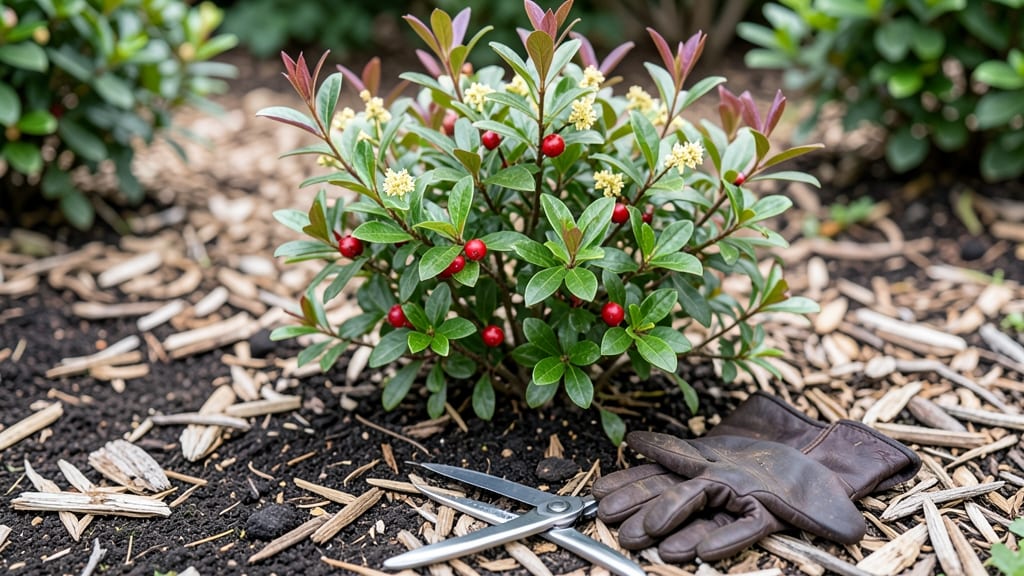
My barberry bush care routine starts with pruning at the right time—late winter or early spring—when the plant is still dormant but ready to burst into new growth. 🌿 I’ve learned the hard way that cutting too late can leave it vulnerable to winter damage, while pruning too early risks exposing tender new shoots to frost.
The key is timing: wait until the threat of hard freezes has passed, but don’t delay past early spring when the buds begin to swell.
Beyond pruning, barberries thrive with well-draining soil and full sun to partial shade, though they tolerate a bit of shade in hotter climates. Water deeply after planting, then let the soil dry slightly between waterings—overwatering is the fastest way to kill these tough shrubs.
A light fertilization in early spring with a balanced 10-10-10 mix keeps them vigorous, but skip the heavy hand—they’re not hungry plants.
What you’ll end up with is a neat, dense bush with glossy leaves and those signature red berries (or yellow, depending on the variety) that birds adore.
Mine stays disease-resistant and pest-free with minimal effort—just a quick check for spider mites in dry summers and an occasional prune to shape it up. The best part? Once established, they’re nearly maintenance-free while still looking polished.
Works for landscape borders, foundation plantings, or even as a privacy screen—just give it space to spread. Here’s how to keep yours looking its best all year long.
📚 In This Guide
- What you need
- Instructions
- Tips and common mistakes
- Wrapping up and next steps
What you need
- ● Pruning shears: Bypass pruners (sharp, 5-7 inch blades) for clean cuts on small stems.
- ● Loppers: Bypass or anvil type (8-12 inch blades) for thicker branches (½–1 inch diameter).
- ● Pruning saw: Hand saw with fine teeth for branches over 1 inch thick.
- ● Gloves: Heavy-duty, cut-resistant (barberry thorns are no joke!).
- ● Disinfectant: 70% isopropyl alcohol or bleach solution (1 part bleach to 9 parts water) to sterilize tools between cuts.
- ● Rake or broom: For clearing fallen leaves/debris post-pruning.
- ○ Pruning sealant (optional): Tree wound dressing (only if cutting large branches; otherwise, let cuts heal naturally).
- ● Weather check: Prune on a dry, overcast day (avoid wet or windy conditions).
- ● Safety gear: Sunglasses and long sleeves to protect from thorns and debris.
- ● Compost bin or bag: For collecting pruned branches (great for mulch or compost!).
- ○ Plant food (optional): Balanced fertilizer (10-10-10) to apply after heavy pruning for a growth boost.
Step-by-Step pruning guide for a healthy barberry bush
Here’s my foolproof approach to keeping your barberry bush thriving through every season.
✂️ Step 1: Late Winter Cleanup (Before Bud Break)
Start your pruning in late winter—just as buds swell but before new growth begins. This is the most critical time because it sets the stage for the entire growing season. I always grab my bypass pruners and remove any dead, diseased, or crossing branches first. These are easy to spot—they’ll be brown, brittle, or growing inward toward the center of the bush.
Cut back to a healthy outward-facing bud or branch. You’ll notice the remaining branches have smooth, green bark and small, tight buds. This ensures your barberry keeps its natural shape and airflow. Avoid heavy pruning now—just remove no more than 25% of the plant to prevent stress. If you’re unsure which branches to cut, imagine the bush’s natural form and prune to maintain that silhouette.
✂️ Step 2: Summer Light Pruning (After Flowering)
Once your barberry finishes flowering in early summer, it’s time for a lighter touch. This is when I focus on shaping and encouraging bushier growth. Look for branches that are growing too long, leggy, or crowded. I like to trim these back by one-third to promote branching and a fuller appearance.
Pay attention to the new growth—it’s softer and lighter green compared to older wood. Cut just above a leaf node or bud that faces outward. This encourages the bush to fill in rather than grow tall and sparse. Avoid pruning after mid-summer, as this can stimulate tender new growth that won’t harden off before winter.
✂️ Step 3: Fall Maintenance (Preparing for Winter)
In fall, your goal is to tidy up and prepare the bush for dormancy. Remove any remaining dead or weak branches, but keep cuts minimal. This is also the time to thin out overly dense areas to improve airflow and reduce disease risk. I usually do this in October, just before the first hard frost.
Watch for any branches that look stressed or diseased—these are prime candidates for removal. If you see yellowing leaves or blackened stems, prune those immediately and sterilize your tools with rubbing alcohol to prevent spreading issues. Avoid heavy pruning now, as the bush needs time to recover before winter. A light trim keeps it healthy without overstressing the plant.
⏰ Step 4: Year-Round Monitoring (Adjust as Needed)
Between scheduled pruning sessions, keep an eye on your barberry for signs of trouble. If you notice unusual growth patterns—like branches growing straight up instead of outward—it’s a sign the bush needs a little shaping. I like to do a quick check every 4-6 weeks during the growing season to catch problems early.
Also, watch for pests or disease like spider mites or powdery mildew. If you spot these, prune affected areas immediately and treat with neem oil or horticultural soap. Regular monitoring means you catch issues before they become major problems. A healthy barberry bush should have vibrant green leaves, smooth bark, and no signs of stress throughout the year.
Tips & tricks for perfect barberry bush pruning
Pruning isn't just about cutting—it's about sculpting your barberry's future. Here's what I've learned after years of perfecting this seasonal routine.
Timing is Everything: Late winter cleanup is your foundation. That 25% rule for removing only dead/diseased branches in Step 1 prevents shock while keeping airflow optimal. I've seen barberries stressed beyond recovery when people pruned too aggressively—stick to this limit, even if the bush looks messy. The goal is to shape, not strip.
Summer Pruning Secret: When you trim those leggy branches by one-third in Step 2, always cut just above an outward-facing bud. This isn't just random cutting—it's directing growth where you want it. I use a small white flag marker on my pruners to remind myself which direction the bud faces before making each cut. The bush will thank you with fuller growth next season.
Fall Preparation Wisdom: October's light trim in Step 3 is about cleanup, not renovation. Focus on removing only what's clearly dead or diseased—your barberry needs time to harden off before winter. I sterilize my pruners between cuts in fall with rubbing alcohol (keep a small bottle in your tool pouch) to prevent spreading any hidden pathogens. This simple step has saved me from losing entire branches to fungal infections.
Year-Round Monitoring: Those 4-6 week checks in Step 4 are your early warning system. I've caught spider mite infestations in their early stages because I was watching for unusual growth patterns. Look for the three telltale signs of a healthy barberry: vibrant green leaves, smooth bark, and no signs of stress. If you see yellowing leaves or blackened stems between scheduled prunings, act immediately—don't wait for your next scheduled session.
Pro Tips for Barberry Bush Care
- Pruning isn't just about cutting—it's about sculpting your barberry's future. Here's what I've learned after years of...
- Timing is Everything: Late winter cleanup is your foundation. That 25% rule for removing only dead/diseased branches ...
- Summer Pruning Secret: When you trim those leggy branches by one-third in Step 2, always cut just above an outward-fa...
Frequently asked questions
Got questions about keeping your barberry bush thriving? Here are some of the most common concerns—and straightforward answers to help you care for this tough, ornamental plant with ease.
When is the best time to prune my barberry bush?
Prune your barberry bush in late winter or early spring (before new growth starts) to encourage vigorous blooms and dense foliage. Light shaping can also be done in summer after flowering, but avoid heavy pruning then—it may stress the plant.
How much can I trim back my barberry bush?
For most varieties, you can safely prune up to one-third of the plant’s height in a single session. If your barberry is overgrown, spread trimming over 2-3 years to avoid shock. Always use clean, sharp tools to prevent disease.
Why are my barberry leaves turning yellow or brown?
Yellowing leaves often signal overwatering or poor drainage, while brown edges may mean underwatering or cold stress. Check soil moisture (it should be damp but not soggy) and ensure your barberry gets full sun to partial shade. Fungal issues? Prune affected branches and apply fungicide if needed.
Can I grow barberry in containers?
Yes! Dwarf varieties like Berberis thunbergii thrive in containers with well-draining soil and a pot at least 12–18 inches wide. Repot every 2–3 years and prune lightly to maintain shape. Just avoid overcrowding—barberries hate soggy roots!
Do barberry bushes need winter protection?
Most barberries are hardy to USDA Zones 4–8, but young plants or tender varieties may need mulch (2–3 inches) around the base to insulate roots. In extreme cold (<10°F), wrap the plant in burlap to prevent winter burn.
Wrapping up and next steps
Caring for your barberry bush doesn’t have to be complicated—just follow the right pruning timeline to keep it thriving year-round! 🌿 Whether you’re trimming for shape, health, or berry production, consistency is key.
With the right tools, timing, and techniques, your barberry will reward you with vibrant foliage, sturdy branches, and even delicious berries.
Ready to give your bush the TLC it deserves? Grab your pruners and start planning your next pruning session! 🌱 Check out our seasonal pruning guide for a step-by-step breakdown tailored to your climate.