
Pests and Diseases
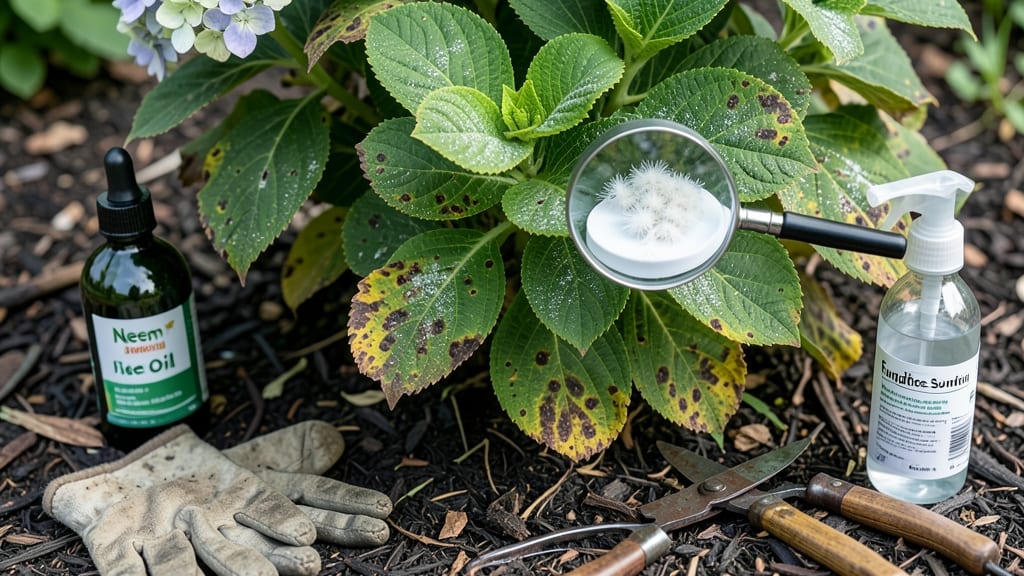
Those white spots on your bush leaves aren’t just unsightly—they’re a sign your plants are fighting an invisible battle. 🌿 I’ve battled powdery mildew, spider mites, and environmental stress on my own bushes, and I’ve learned which fixes actually work. The key? Identifying the real cause before treating it.
Most white spots stem from three culprits: fungal infections (like powdery mildew), tiny pests (such as spider mites), or stress from overwatering or poor airflow. My roses once looked like they’d been dusted with flour—until I realized it was mildew thriving in the shade.
A simple spray of neem oil turned them around in days. You’ll walk away with a step-by-step plan to revive your bushes—organic remedies that work, not just band-aids. Think lush, healthy leaves that stay spot-free, no matter the season. Let’s tackle this head-on.
First, grab a magnifying glass (or just your phone’s camera) to inspect the spots up close. Powdery mildew leaves a chalky, dusty residue, while spider mites cause tiny white webbing between leaves. Environmental stress? Look for yellowing edges or wilting stems.
My biggest mistake? Assuming all white spots were mildew—turns out, my boxwood had a pest problem entirely. For fungal issues, a mix of baking soda (1 tsp), water (1 quart), and a drop of dish soap sprayed weekly does the trick.
Pests? Neem oil or insecticidal soap knocks them out in 2-3 applications. The secret? Consistency. I’ve seen bushes bounce back in as little as 10 days with the right care.
Prevention is where real progress happens. Space your bushes for airflow, water at the base (not overhead), and prune for sunlight. I now rotate my plants seasonally to keep them thriving—no more mystery white spots. The payoff? Bushes that stay vibrant, disease-resistant, and ready for years of growth.
Understanding Leaf Spot Triggers
White spots on bush leaves are rarely a sign of good health—they’re usually a red flag from nature’s warning system. 🚨 These blemishes can appear suddenly, spreading like a silent epidemic if left unchecked.
But what’s really causing them? Let’s break down the science behind the most common culprits, so you can diagnose—and fix—the problem before it worsens.
Fungi are the #1 cause of white spots on bush leaves, thriving in damp, humid conditions. These microscopic organisms release spores that land on leaves, germinate, and form colonies. Common fungal culprits include:
- Powdery Mildew – Creates white, powdery patches (like dust) on leaf surfaces. It’s not just unsightly; it blocks sunlight, weakening photosynthesis.
- Leaf Spot Fungi (e.g., Cercospora, Septoria) – Produces small, circular white or gray spots with dark borders, often surrounded by yellow halos.
- White Rust (Albugo spp.) – Forms white, pustule-like spots that can burst open, releasing more spores. Common in brassicas and other susceptible plants.
💡 Pro Tip: Fungi spread faster in stagnant, moist air. Overhead watering or poor airflow (like crowded plants) creates the perfect breeding ground. If you see white fuzz or spots after rain, fungi are likely the villain.
Not all white spots are fungal—some are physical damage from pests. Here’s how insects turn leaves into their personal buffet:
- Spider Mites – These microscopic arachnids suck sap, leaving behind stippled white or yellow speckles (often on the undersides of leaves). Heavy infestations cause leaves to look like they’ve been dusted with flour.
- Whiteflies – Adults lay eggs on leaves, and their nymphs excrete sticky honeydew, which fosters sooty mold—a black, fuzzy film that can cover white spots.
- Mealybugs – These cotton-like pests cluster in leaf crevices, leaving behind white, waxy residue and sticky honeydew.
🔍 Key Difference: Pest damage often comes with visible bugs or webbing. Shake leaves over a white sheet—if tiny creatures or eggs appear, you’ve found your culprit.
Sometimes, white spots aren’t caused by pathogens or pests at all—they’re a stress response from harsh conditions. Here’s what’s hurting your bush:
| Stressor | How It Shows Up | Why It Happens |
|---|---|---|
| Excessive Sunlight (Sun Scorch) | Pale, white or yellow patches on leaf edges, often on south-facing sides. | Direct UV rays bleach chlorophyll in delicate leaves, especially after sudden heatwaves. |
| Chemical Burn (Fertilizer or Herbicide Drift) | Irregular white or brown spots, often with crispy edges. | Over-application of salts or pesticides disrupts cell membranes, causing necrosis (dead tissue). |
| Nutrient Deficiency (Magnesium or Calcium) | Interveinal white or yellow chlorosis (spots between veins). | Plants can’t produce enough chlorophyll without these minerals, leading to bleached patches. |
✨ Quick Fix: Move plants to partial shade if sunburn is suspected. For chemical burns, flush soil with water and avoid fertilizing until new growth appears.
While less common, viruses and bacteria can also cause white spots, often accompanied by other symptoms like:
- Bacterial Leaf Spot (e.g., Xanthomonas) – Tiny, water-soaked white spots that turn yellow/brown with raised edges.
- Tobacco Mosaic Virus (TMV) – White or yellow mosaic patterns (light/dark patches) on leaves, often with stunted growth.
🚨 Warning: Viral infections are usually incurable. Remove infected plants immediately to prevent spread—these pathogens often hitchhike on tools, hands, or insects.
Fixing White Spots on Leaves Naturally
Now that you’ve identified the cause of those pesky white spots on your bush leaves—whether it’s powdery mildew, rust fungus, or another culprit—it’s time to take action! The good news? Most of these issues can be tackled with organic, plant-safe solutions that won’t harm your garden or the environment.
Below, we break down targeted fixes for each common cause, along with prevention tips to keep your bush thriving.
Powdery mildew may look like a dusting of flour, but it’s a fungal nightmare that spreads fast. Here’s how to banish it for good:
🔥 Step 1: Prune and Clean (The First Line of Defense)
- Remove infected leaves (don’t compost them—toss in the trash to prevent reinfection).
- Trim overcrowded branches to improve airflow (fungus loves humidity and tight spaces).
- Wipe down leaves with a damp cloth or hose them off gently to remove spores.
🍳 Step 2: Organic Fungicide Sprays (DIY or Store-Bought)
Mix one of these effective, non-toxic sprays and apply in the early morning or evening (when the sun isn’t scorching):
- Baking Soda Spray (1 tsp baking soda + 1 tsp horticultural oil + 1 tsp soap + 1 gallon water)
- Neem Oil Solution (1 tbsp neem oil + 1 tsp soap + 1 quart water—shake well!)
- Milk Spray (1 part milk to 9 parts water—yes, really!
The lactic acid fights fungus.)
Spray thoroughly on both sides of leaves and repeat every 7–10 days until the mildew disappears.
🌡️ Step 3: Adjust Growing Conditions
Powdery mildew thrives in shady, damp spots.
To prevent recurrence: - Space plants properly (follow spacing guidelines for your bush type). - Water at the base (never overhead—wet leaves = fungus party). - Improve sunlight exposure (if possible, move the bush to a sunnier spot).
Rust fungus shows up as orange or brown pustules on leaves, but the white spots? Those are often secondary infections or powdery mildew hitchhiking on the same plant. Here’s how to stop the rust and protect your bush:
👨🍳 Step 1: Copper Fungicide (The Heavy Hitter)
- Use copper-based sprays (like Copper Soap or Cheshunt Compound)—these disrupt fungal spores.
- Apply every 7–14 days until new growth is rust-free.
- Pro Tip: Mix with garlic tea (blend 1 chopped garlic bulb + 1 quart water, steep 24 hours, strain) for extra antifungal power.
🔪 Step 2: Remove and Destroy Infected Debris
- Burn or trash heavily rusted leaves (don’t compost them).
- Disinfect pruners with rubbing alcohol between cuts to avoid spreading spores.
⏰ Step 3: Rotate Plant Care for Long-Term Health
Rust-loving plants (like roses, azaleas, or hollies) need preventive care:
- Avoid overhead watering (use drip irrigation or soaker hoses).
- Mulch properly (2–3 inches of organic mulch keeps soil moist but prevents splashing spores).
- Plant resistant varieties (if rust is recurrent, swap for a rust-resistant bush).
If sap-sucking pests (like aphids, spider mites, or whiteflies) are causing white spots (from honeydew or leaf damage), here’s how to evict them:
🥘 Step 1: Blast Them Off (Literally)
- Spray with water (a strong jet from the hose dislodges soft-bodied pests).
- Use insecticidal soap (1 tbsp mild soap + 1 quart water—test on a small leaf first).
🎯 Step 2: Smother and Trap
- Sticky traps (yellow or blue) catch flying pests like whiteflies.
- Neem oil spray (1 tsp neem oil + 1 tsp soap + 1 quart water) suffocates eggs and adults.
- Introduce beneficial insects (ladybugs, lacewings, or parasitic wasps) for natural pest control.
✨ Step 3: Prevent Future Infestations
- Inspect new plants before bringing them home (quarantine for a week).
- Encourage biodiversity (healthy soil = strong plants that repel pests).
- Avoid over-fertilizing (soft, sappy growth attracts pests).
No matter the culprit, these proactive steps will keep your bush’s leaves spot-free and happy:
- Test your soil (pH imbalances weaken plants—aim for 6.0–7.0 for most bushes).
- Water deeply but less often (deep roots = drought-resistant, pest-resistant plants).
- Rotate sprays (fungus and pests build resistance—switch between neem, copper, and baking soda).
- Monitor regularly (check undersides of leaves weekly for early signs).
White spots might seem like a lost cause, but with consistent care, your bush can bounce back—and stay healthy. Start with one fix (like pruning or a baking soda spray), then layer in prevention strategies.
Before you know it, those leaves will be glossy, green, and spotless again!
Need a quick cheat sheet? Bookmark this table for fast fixes by symptom:
| Symptom | Likely Cause | Fast Fix |
|---|---|---|
| White powdery coating | Powdery mildew | Baking soda spray + prune for airflow |
| Orange/brown pustules + white spots | Rust fungus | Copper spray + remove debris |
| Sticky residue + whitefly clusters | Sap-sucking pests | Insecticidal soap + sticky traps |
Frequently asked questions
How can I tell if white spots are from powdery mildew vs. spider mites?
Look closely: powdery mildew appears as a chalky white dust on leaf surfaces, while spider mites create tiny stippled speckles (often with webbing underneath). Shake leaves over white paper—if you see tiny moving creatures or eggs, it’s mites. Mildew leaves no visible pests, just fuzzy white patches.
Will pruning infected leaves really help stop the spread?
Removing infected leaves stops spores from spreading to healthy foliage. Always prune in dry conditions (not after rain) and disinfect your tools with rubbing alcohol between cuts. For severe cases, remove up to 30% of infected growth to restore airflow.
How often should I spray neem oil for fungal issues?
Apply neem oil every 7–10 days until the problem clears. Mix 1 tablespoon neem oil + 1 teaspoon soap + 1 quart water and spray early morning or evening to avoid sunburn. Stop spraying 2 weeks before harvest if growing edible plants.
Can I use the same baking soda spray for all fungal problems?
Yes! The baking soda spray (1 tsp baking soda + 1 quart water + drop of soap) works on powdery mildew, rust, and even early leaf spots. For stubborn rust, add 1 teaspoon copper fungicide to boost effectiveness. Reapply weekly until symptoms disappear.