
Pests and Diseases
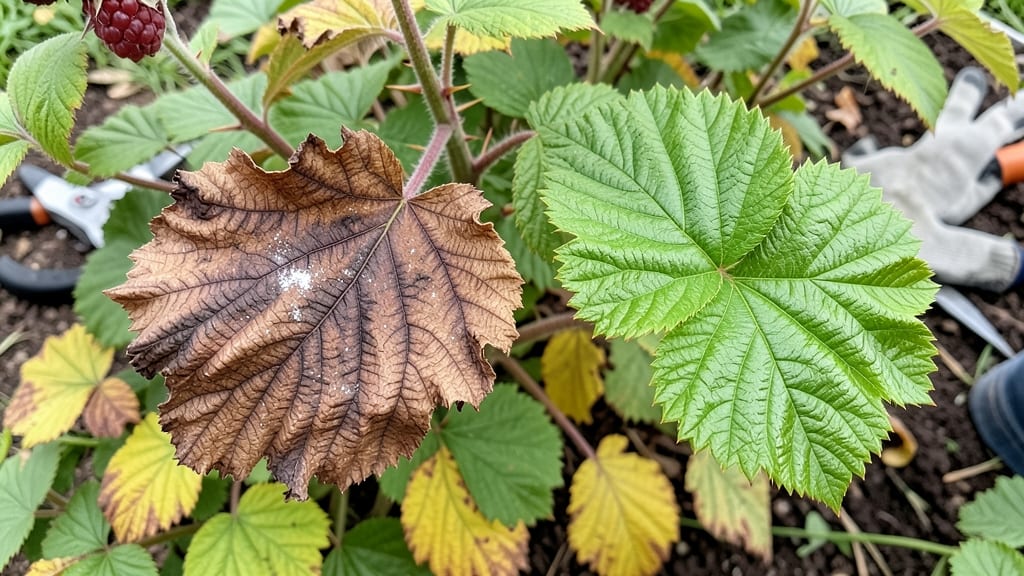
Your raspberry bush leaves turning brown could mean fungal blight—or something simpler to fix. 🌿 I’ve seen this happen after a wet spring, and the good news is that most causes have straightforward solutions once you know what to look for.
Start by checking the pattern: crispy brown edges often mean underwatering or heat stress, while fuzzy brown spots signal fungal infections like botrytis. My bushes recovered fully after I adjusted watering and applied a simple baking soda spray—no harsh chemicals needed. The key is acting fast.
Prune affected leaves, improve air circulation, and treat with organic fungicides if needed. Within weeks, your plants will bounce back with fresh, vibrant foliage ready for another harvest. This works for both summer-bearing and ever-bearing varieties, so don’t wait—your raspberries are counting on you!
Root Causes Of Browning Leaves
Understanding why your raspberry bush leaves are turning brown starts with identifying the primary stressors at play. These issues often overlap, so examining multiple factors will help pinpoint the exact problem. Below are the most common culprits, explained in scientific detail with actionable insights.
Brown leaves on raspberry bushes are often a direct response to extreme or inconsistent environmental conditions. Raspberries thrive in moderate climates (USDA Zones 4–9), and deviations from ideal conditions trigger stress responses like chlorosis (yellowing) and necrosis (browning).
🔥 Heat & Drought Stress
- Why it happens: Raspberries prefer consistent moisture and struggle in prolonged heatwaves (above 90°F/32°C). High temperatures increase transpiration rates, causing water loss and oxidative stress in leaves.
The edges and tips brown first as cells desiccate (dry out). - Key signs: - Crispy, papery leaf edges - Wilting even when soil is moist (indicating root stress) - Brown patches spreading from leaf margins inward - Actionable fix: - Mulch heavily (3–4 inches of organic mulch like straw or wood chips) to retain soil moisture. - Water deeply (1–1.5 inches per week) at the base of the plant, avoiding overhead irrigation to prevent fungal spores from splashing. - Provide afternoon shade (using shade cloth) if temperatures consistently exceed 85°F (29°C).
❄️ Cold & Frost Damage
- Why it happens: Raspberries are semi-hardy, but sudden freezes (below 20°F/-7°C) or late spring frosts can cause cellular rupture in leaves.
Cold stress disrupts photosynthesis enzymes, leading to browning and dieback. - Key signs: - Black or dark brown patches (not just yellowing) - Leaves feel mushy or water-soaked (indicating ice crystal damage) - New growth wilts or fails to emerge after frost - Actionable fix: - Protect young canes with frost cloth or row covers during late spring frosts. - Avoid overhead watering before freezing—wet leaves conduct cold more efficiently. - Prune damaged canes in early spring to encourage new, healthy growth.
🌧️ Overwatering & Poor Drainage
- Why it happens: Raspberries hate soggy roots. Excess moisture depletes oxygen in the soil, leading to root rot (caused by Phytophthora or Pythium fungi).
As roots suffocate, the plant can’t absorb nutrients, causing generalized browning and leaf drop. - Key signs: - Yellowing between veins (iron deficiency from poor uptake) - Mushy, black stems at the base - Foul-smelling soil (indicating anaerobic bacteria) - Actionable fix: - Test soil drainage: Dig a hole near the plant, fill it with water, and time how long it takes to drain.
If it takes >4 hours, amend soil with sand or perlite. - Raise beds if planting in heavy clay—raspberries prefer well-draining, slightly acidic soil (pH 5.5–6.5). - Space plants 2–3 feet apart to improve airflow and reduce humidity around roots.
Fungi and bacteria thrive in moist, warm conditions, and raspberries are particularly susceptible to blights, mildews, and canker diseases. These pathogens clog stomata (leaf pores), disrupting gas exchange and causing browning, spots, or entire leaf collapse.
🍅 Raspberry Leaf Spot (Didymella applanata)
- Why it happens: This fungal disease spreads via splashing water or wind, infecting leaves through stomata. It thrives in humid conditions (75–85% humidity) and warm nights (60–75°F/15–24°C).
The fungus produces spores that create dark brown, circular lesions with yellow halos. - Key signs: - Target-like spots (dark centers with yellow rings) - Premature leaf drop in severe cases - Black fruiting bodies (fungal spores) on undersides of leaves - Actionable fix: - Remove and destroy infected leaves (do not compost—burn or bag them). - Apply copper fungicide (e.g., Bordeaux mixture) preventively in spring and after rain. - Space plants for airflow and avoid overhead watering.
🍓 Anthracnose (Colletotrichum spp.)
- Why it happens: This fungus infects through wounds (e.g., pruning cuts, hail damage) and spreads rapidly in wet conditions.
It causes sunken, brown lesions that oozes pinkish spores in humid weather. - Key signs: - Dark brown, sunken patches on leaves and canes - Premature defoliation (leaves turn brown and drop quickly) - Cankers on stems (sunken, discolored areas) - Actionable fix: - Prune infected canes 1 inch below the lesion and sterilize tools with 70% isopropyl alcohol. - Apply neem oil or sulfur fungicide as a preventive spray every 2–3 weeks. - Improve drainage to reduce soil-borne spores.
🍒 Bacterial Leaf Spot (Xanthomonas fragariae)
- Why it happens: Bacteria enter through leaf wounds and multiply in wet conditions, causing water-soaked spots that turn brown and crispy.
Unlike fungi, bacteria cannot be treated with fungicides—only managed. - Key signs: - Small, greasy-looking spots that turn brown and papery - Yellow halos around spots - Bacterial ooze (clear or yellow) when spots are squeezed - Actionable fix: - Remove and destroy infected leaves immediately. - Use copper bactericide (e.g., Copper Soap) every 7–10 days during wet seasons. - Rotate crops—avoid planting raspberries in the same spot for 3+ years.
While less common than fungal issues, pests and deficiencies can also trigger browning. Unlike environmental stress, these problems often start with specific symptoms (e.g., holes, webbing, or stunted growth).
🐜 Spider Mites & Aphids
- Why it happens: These sap-sucking pests pierce leaf cells, causing chlorosis (yellowing) and necrosis (browning) as the leaf loses turgor pressure.
Heavy infestations lead to premature leaf drop. - Key signs: - Fine webbing (spider mites) or sticky residue (honeydew) (aphids) - Curled, brittle leaves - White or yellow speckling (from mites feeding) - Actionable fix: - Blast plants with water to dislodge pests (do this early morning). - Apply insecticidal soap or neem oil (repeat every 5–7 days). - Introduce predator insects (e.g., ladybugs, lacewings) for biological control.
🌱 Nutrient Deficiencies (Iron, Magnesium, Potassium)
- Why it happens: Browning can signal micronutrient deficiencies, especially in alkaline or compacted soils.
Common issues: - Iron deficiency (chlorosis + brown edges): Soil pH >7.0 locks out iron. - Magnesium deficiency (interveinal browning): Often seen in old leaves first. - Potassium deficiency (scorched leaf edges): Common in drought-stressed plants. - Key signs: - Yellowing between veins (iron/magnesium) - Brown, dead patches on leaf margins (potassium) - Stunted growth despite green leaves - Actionable fix: - Test soil pH—adjust
Quick Fixes for Browning Raspberry Leaves
Revitalizing your raspberry bush starts with identifying the root cause—whether it’s fungal blight, environmental stress, or nutrient deficiencies. Below are practical, step-by-step solutions tailored to each issue, plus prevention tips to keep your plants thriving. Let’s turn those brown leaves green again!
Fungal infections like cane blight or leaf spot thrive in damp conditions, turning leaves brown and crispy. Here’s how to stop the spread:
🔪 Step 1: Remove Infected Leaves and Canes
- Cut away any leaves with brown spots, blackened edges, or powdery growth using sterilized pruners (wipe with rubbing alcohol between cuts).
- Dispose of infected debris in the trash—never compost it, as spores can survive.
- Prune back any canes showing dark streaks or lesions (a sign of cane blight).
💧 Step 2: Improve Airflow and Reduce Moisture
Fungi love humidity! Boost circulation to dry leaves faster:
- Thin out crowded canes—remove 20-30% of the thickest growth to allow sunlight and air to reach the center.
- Space plants 3–4 feet apart if replanting.
- Water at the base (avoid overhead sprinkling) and water early in the day so leaves dry by evening.
🛡️ Step 3: Apply Fungicide (Organic or Chemical)
- Baking soda spray: Mix 1 tsp baking soda + 1 tbsp vegetable oil + 1 tsp mild soap per quart of water.
Spray every 7–10 days until new growth appears. - Neem oil: A natural fungicide that also deters pests. Spray weekly (follow label instructions). - Copper fungicide: For severe cases, use fixed copper spray (like Copper Soap) every 2–3 weeks.
🌡️ Prevention Tip: Stay Ahead of Fungus
- Mulch properly: Use straw or pine needles (not wood chips) to keep soil dry.
- Avoid overhead watering—drip irrigation is your best friend.
- Rotate crops: If possible, don’t plant raspberries in the same spot year after year (fungi build up in the soil).
If leaves are crispy, dry, and brown (not mushy or spotted), your raspberry bush may be sunburned or dehydrated.
☀️ Step 1: Provide Afternoon Shade
- Temporary fix: Use shade cloth (30–50%) on the west or south side of the bush during peak summer heat (10 AM–4 PM).
- Permanent fix: Plant near taller shade trees (like apple or pear) that provide dappled sunlight.
💦 Step 2: Deep Watering Schedule
- Water deeply 1–2 times per week (1–2 inches per week), morning or early evening.
- Check soil moisture: Stick your finger 2 inches deep—if dry, water immediately.
- Mulch heavily: Apply 3–4 inches of organic mulch (straw, leaves) to retain moisture.
🌱 Prevention Tip: Choose the Right Spot
- Raspberry bushes need 6+ hours of sun but suffer in extreme heat (above 90°F).
- Test your location: If leaves scorch quickly, consider white or silver mulch to reflect sunlight.
Brown, yellowing leaves with brown edges often signal lack of nitrogen, potassium, or magnesium.
📊 Step 1: Test Your Soil
- Grab a DIY soil test kit (or send a sample to your local Cooperative Extension).
- Common deficiencies in raspberries:
- Nitrogen (N): Leaves turn pale green or yellow (fix with compost or blood meal).
- Potassium (K): Brown leaf edges (fix with wood ash or banana peels).
- Magnesium (Mg): Yellow patches between veins (fix with Epsom salt spray).
🌿 Step 2: Fertilize Correctly
- Spring boost: Apply balanced fertilizer (10-10-10) or organic compost around the base.
- Mid-season feed: Use potassium-rich fertilizer (like greensand) to prevent brown edges.
- Epsom salt spray: Mix 1 tbsp Epsom salt per gallon of water, spray leaves monthly for magnesium.
💡 Prevention Tip: Feed Before Problems Start
- Amend soil in fall with compost and aged manure (raspberries love organic matter).
- Avoid over-fertilizing—too much nitrogen causes soft, weak canes prone to disease.
If leaves have holes, chewed edges, or sticky residue, pests like Japanese beetles, spider mites, or aphids may be the culprit.
🔍 Step 1: Identify the Pest
- Japanese beetles: Skeletons of leaves, chewed flowers.
- Spider mites: Tiny webs on undersides, leaves turn bronze-brown.
- Aphids: Sticky honeydew, curled leaves.
🛡️ Step 2: Natural Pest Control
- Neem oil spray: Effective against aphids, mites, and beetles.
Spray every 5–7 days. - Soap spray: Mix 1 tbsp castile soap per quart of water, spray directly on pests. - Handpick beetles: Drop them in soapy water (works best in the morning). - Beneficial insects: Release ladybugs or lacewings to eat aphids naturally.
🌱 Prevention Tip: Break the Pest Cycle
- Remove fallen leaves (pests hide in debris).
- Plant companion plants: Chives, garlic, or marigolds repel beetles.
- Use row covers in early summer to block beetles before they lay eggs.
If more than 50% of canes show black streaks (cane blight) or leaves are completely dead, it may be time to dig up and replace the bush.
- Solarize the soil: Cover the area with clear plastic for 4–6 weeks to kill fungi.
- Plant disease-resistant varieties like ‘Heritage’ or ‘Boyne’ raspberries next time.
Final Pro Tip: 🌱 Monitor weekly—catching issues early (before leaves turn fully brown) makes treatment 10x easier. A healthy raspberry bush should have vibrant green leaves by late summer!
Frequently asked questions
Why are my raspberry leaves turning brown only on the edges?
This usually indicates underwatering or heat stress. Raspberry leaves brown at the edges when they're losing moisture faster than the roots can supply it. Check soil moisture by sticking your finger 2 inches deep—if dry, water deeply at the base. Mulch with 3-4 inches of straw to retain moisture and protect roots.
How can I tell if my raspberry leaves are turning brown from fungus vs. pests?
Fungal issues show as spots with yellow halos or fuzzy growth, while pests create holes, webbing, or sticky residue. Examine leaves closely: fungus often appears mushy or powdery, while pests leave physical damage like chewed edges. For fungus, use copper spray; for pests, try neem oil.
Can I save my raspberry bush if most leaves are already brown?
Yes, but act fast! Prune all brown leaves (don't compost them), then focus on watering deeply 2-3 times per week and improving airflow. Apply Epsom salt spray (1 tbsp per gallon) for magnesium if leaves show yellow between veins. New growth should appear in 2-3 weeks if roots are healthy.
Is it safe to use regular dish soap to treat my raspberry leaves?
Only use mild, biodegradable castile soap (like Dr. Bronner's) mixed with water (1 tbsp per quart). Regular dish soap can burn leaves. For pests, spray undersides of leaves where they hide. Test on one leaf first to check for sensitivity. Repeat every 5-7 days until pests are gone.
How often should I fertilize raspberry bushes to prevent browning?
Feed once in early spring with balanced fertilizer (10-10-10) and again in mid-summer with potassium-rich fertilizer. Over-fertilizing causes weak growth prone to disease. For organic options, use compost or aged manure instead. Always water after fertilizing to prevent root burn.