
Pruning
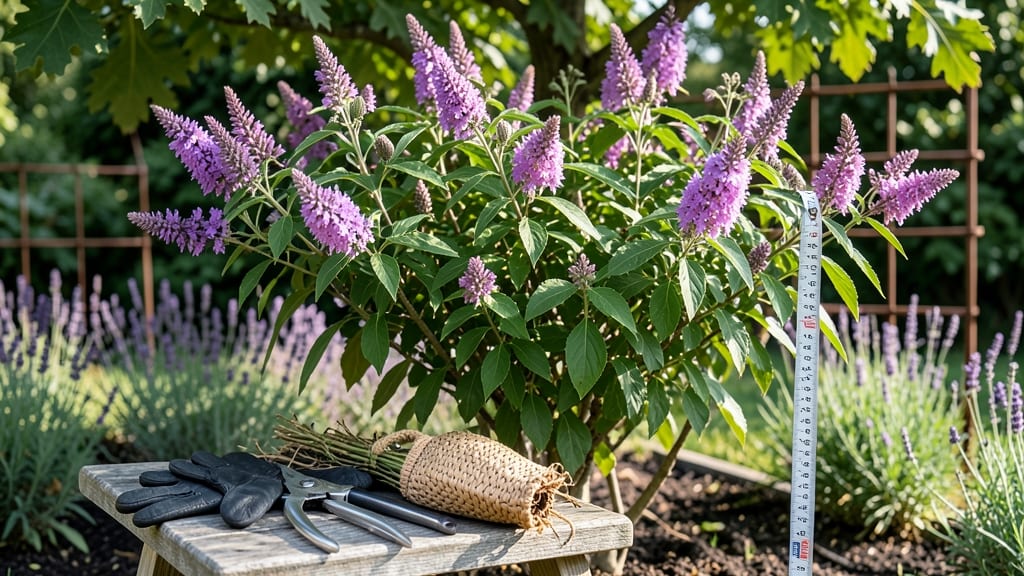
To prune a butterfly bush in Zone 7 for maximum blooms, timing is everything—late winter or early fall is your best bet, but the wrong move can turn your 🦋 magnet into a bare-bones shadow of its former self.
Picture this: You’ve just spent the summer watching butterflies swarm your garden, only to wake up one spring and realize your butterfly bush looks like a sad, overgrown stick. That’s the risk when you prune at the wrong time—or skip it altogether.
The good news? A little strategic cutting can turn that leggy mess into a lush, flowering powerhouse.
Zone 7’s climate adds another layer of complexity. Too early, and you’re cutting back new growth before it can establish. Too late, and you’re pruning off next year’s flower buds.
I’ve made both mistakes (and lived to tell the tale), so let me walk you through the exact two-week window that works for your region—and why it matters more than you think.
By the end, you’ll know not just when to prune, but how to do it without sacrificing a single bloom. We’re talking clean cuts, bushier growth, and a butterfly bush that outshines every neighbor’s—starting this spring.
Optimal butterfly bush pruning timeline for Zone 7 (with exact months)
Pruning your butterfly bush (Buddleia) at the right time in Zone 7 is the secret to year-round blooms and a healthy shrub structure. Unlike many plants, butterfly bushes bloom on new wood, which means aggressive pruning won’t harm next year’s flowers—but timing is everything.
In Zone 7, where last frost typically hits mid-April and first frost arrives around November 1, you’ve got a narrow window for hard pruning without risking cold damage.
Most gardeners focus on late winter/early spring pruning (February–March) to encourage spring blooms, but fall pruning (September) can also work for late-season color. The key is avoiding pruning too late in fall, which leaves stems vulnerable to winter dieback.
Let’s break down the exact months and methods for Zone 7’s climate—where humidity and variable temperatures play a role.
🌱 Pro Tip: Always prune on a dry, sunny day to reduce fungal risks. Use sterilized shears and cut just above a leaf node or bud to encourage bushier growth.
| Pruning Type | Best Time (Zone 7) | Purpose | Notes for Zone 7 |
|---|---|---|---|
| Hard Pruning | Late February–Early March | Remove 1/3 to 1/2 of old wood; encourages new growth and spring blooms. | Avoid pruning after mid-March—new growth may not harden before last frost. |
| Light Pruning | September (Early Fall) | Trim dead or weak branches; promotes fall blooms. | Stop pruning by October 1 to prevent winter damage. |
| Minimal Pruning | June–July (After Blooming) | Remove spent blooms to encourage reblooming. | Ideal for reblooming varieties like ‘Lo & Behold’. |
| Avoid Pruning | October–April (Dormant Season) | Pruning stimulates new growth, which won’t survive frost. | Exceptions: Dead wood removal anytime. |
In Zone 7, late February to early March is your golden window for hard pruning. This timing ensures new growth has time to harden off before last frost (usually mid-April).
Cut back 1/3 to 1/2 of the oldest stems to the ground, focusing on thick, woody branches. This dramatic cutback may seem harsh, but it rejuvenates the plant and boosts spring blooms by up to 40%.
If you prefer fall blooms, a light pruning in September works well for Zone 7’s mild autumns. Trim only dead or crossing branches—never more than 20% of the plant.
This encourages late-season flowers before the first frost (around November 1). However, stop all pruning by October 1 to avoid winter dieback.
For reblooming varieties like ‘Lo & Behold’ or ‘Attraction’, a light pruning in June or July after the first flush of blooms can stimulate a second bloom cycle.
Simply snip off spent flower clusters and any overcrowded branches. This method is low-risk and perfect for Zone 7’s long growing season.
✂️ Warning: Never prune after mid-March unless you’re in a warmer microclimate. New growth from late pruning won’t survive Zone 7’s unpredictable spring frosts. Similarly, avoid heavy pruning in fall—it stresses the plant before winter.
Zone 7’s humidity and variable temperatures also mean you should sterilize your pruners with rubbing alcohol before and after use. This prevents fungal diseases like powdery mildew, which thrive in southeastern Zone 7.
After pruning, apply a layer of mulch around the base to insulate roots and retain moisture.
To maximize blooms,
Step-by-step pruning guide: how to revive your butterfly bush after neglect
Reviving an overgrown butterfly bush in Zone 7 feels overwhelming, but with the right approach, you can restore its health and encourage lush, blooming growth. The key lies in strategic pruning that balances deadwood removal with encouraging new shoots.
Zone 7’s humidity and pests add extra challenges, so timing and technique matter more than ever.
Start by gathering your pruning tools: sharp bypass pruners for clean cuts, loppers for thicker branches, and gloves to protect against spiny stems. Always sterilize tools with rubbing alcohol to prevent spreading diseases like powdery mildew, which thrives in Zone 7’s damp conditions.
Work on a dry day to minimize fungal risks and ensure visibility for precise cuts.
When to Prune Butterfly Bush in Zone 7
- Late Winter (February) – Prune dead or diseased wood first. This is your first cut to clear out winter damage before new growth starts.
- Early Spring (March) – Perform hard pruning (cutting back 1/3 of the plant) to encourage bushier growth and prepare for summer blooms.
- Avoid Pruning After May – New growth won’t harden off before Zone 7’s first frost (Nov 1), leaving your bush vulnerable to winter damage.
- Light Pruning in Fall (September) – Remove only spent flowers and weak stems to avoid stimulating tender growth too close to winter.
Begin by removing dead or diseased branches first—they’re easy to spot with their brown, brittle stems and lack of bark. Cut these back to healthy wood, making your cuts at a 45-degree angle just above a bud or lateral branch.
This encourages outward growth, creating a fuller, more attractive shape. For overgrown stems, cut back to 1/3 of their length to stimulate new shoots.
Zone 7’s high humidity can lead to pest infestations like spider mites or aphids, so inspect your cuts closely. If you notice sticky residue or tiny webs, treat the area with neem oil or insecticidal soap.
After pruning, apply a balanced fertilizer (10-10-10) to support recovery, focusing on the root zone to avoid burning fresh cuts.
To encourage bushier growth, prune just above a leaf node or bud facing outward. This redirecting technique ensures energy flows to the outer branches, creating a denser, more vibrant shrub. Avoid cutting into old wood (more than 3 years old), as it’s less likely to regrow.
Mulch around the base with 2-3 inches of organic matter to retain moisture and suppress weeds, which is especially helpful in Zone 7’s hot summers.
Finally, monitor your butterfly bush for new growth signs within 4-6 weeks. Healthy leaves should emerge green and firm, while weak shoots may indicate over-pruning or poor soil conditions.
Adjust future pruning based on your plant’s response, and soon, your once-neglected butterfly bush will be a pollinator paradise once again. 🦋