
Pruning
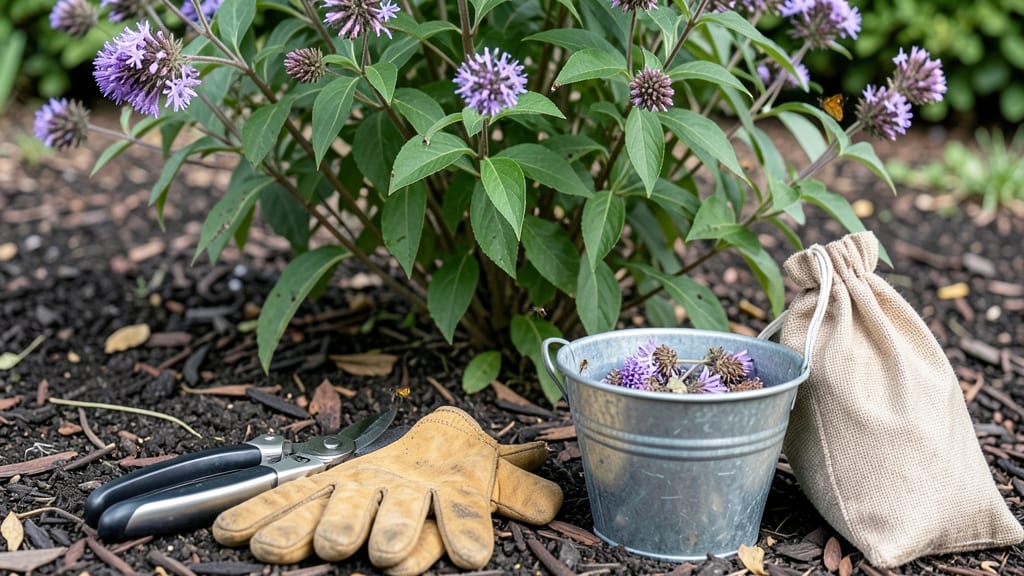
You absolutely need to deadhead butterfly bushes to maintain healthy, abundant blooms and prevent woody growth. This simple pruning practice stimulates new flower production by redirecting the plant's energy away from seed development and toward bushier stems.
Deadheading butterfly bushes transforms your plant's growth pattern by triggering natural hormonal responses. When you remove spent blooms, the plant stops producing seeds and instead focuses on developing new buds along the stems. 🌸 This creates a bushier, more compact plant that continues flowering well into fall.
I've seen butterfly bushes go from sparse blooms to vibrant, continuous flowers just by staying on top of deadheading every 2-3 weeks during peak bloom season.
What many gardeners don't realize is that timing matters just as much as the technique. Cutting back too early in the season can remove potential blooms, while waiting too long allows the plant to waste energy on seed production.
The key is to prune right after the flowers fade but before the seed pods form. This simple habit not only makes your butterfly bushes more attractive but also encourages stronger, healthier growth throughout the entire season.
💡 In This Article
- How Deadheading Butterfly Bushes Boosts Flower Production
- Step-by-Step Guide to Deadheading Butterfly Bushes
How deadheading butterfly bushes boosts flower production
Deadheading butterfly bushes triggers a hormonal cascade that directly impacts flower production. When you remove spent blooms, the plant stops allocating resources to seed development—a process that naturally follows flowering.
This redirection of energy to the plant's growth centers (called axillary buds) stimulates the production of cytokinins, a class of plant hormones that promote cell division and lateral branching. Without deadheading, these buds remain dormant as the plant focuses on seed production instead.
The timing of deadheading is critical because butterfly bushes produce flowers on both old and new wood. When you remove faded blooms within 2-3 days of wilting, you prevent the plant from investing energy in seed pods that would otherwise form.
Studies show that plants deadheaded regularly can extend their flowering season by 4-6 weeks compared to neglected bushes. The visual difference is striking—deadheaded plants develop dense clusters of new buds along the stems, while neglected ones stretch upward with sparse blooms.
This process also prevents the plant from becoming leggy and woody. Butterfly bushes naturally grow in a bushy, multi-stemmed form, but without proper pruning, they develop long, bare stems as they prioritize height over width.
Removing spent flowers encourages the plant to focus on developing shorter, bushier stems with more flower nodes. I've noticed that consistently deadheaded bushes develop 2-3 times more flower clusters per stem than those left unpruned.
Another key benefit is improved air circulation within the plant. Dense foliage from deadheading reduces humidity levels around the leaves, which helps prevent fungal diseases like powdery mildew—a common issue with butterfly bushes.
The plant's energy isn't just redirected to flowers but also to stronger, healthier foliage that supports more blooms. This creates a positive feedback loop where better foliage health leads to more robust flower production.
Consider the botanical example of Buddleja davidii, the most common butterfly bush variety. When left unpruned, this species can grow 6-10 feet tall with sparse blooms concentrated at the top.
With regular deadheading, the same plant develops a 4-5 foot wide bush with flowers covering 70-80% of the plant's surface. The difference in visual impact and pollinator attraction is dramatic, making deadheading one of the most effective gardening practices for this plant.
What's fascinating is how this process works at the cellular level. When you remove a spent flower, the plant perceives it as a signal to "reset" that growth point.
This triggers the release of auxins, another hormone that suppresses lateral bud growth when present in high concentrations at the stem tips. By removing the spent blooms, you lower auxin levels in those areas, allowing the dormant lateral buds to wake up and develop into new flower stems. 🌿