
Plants
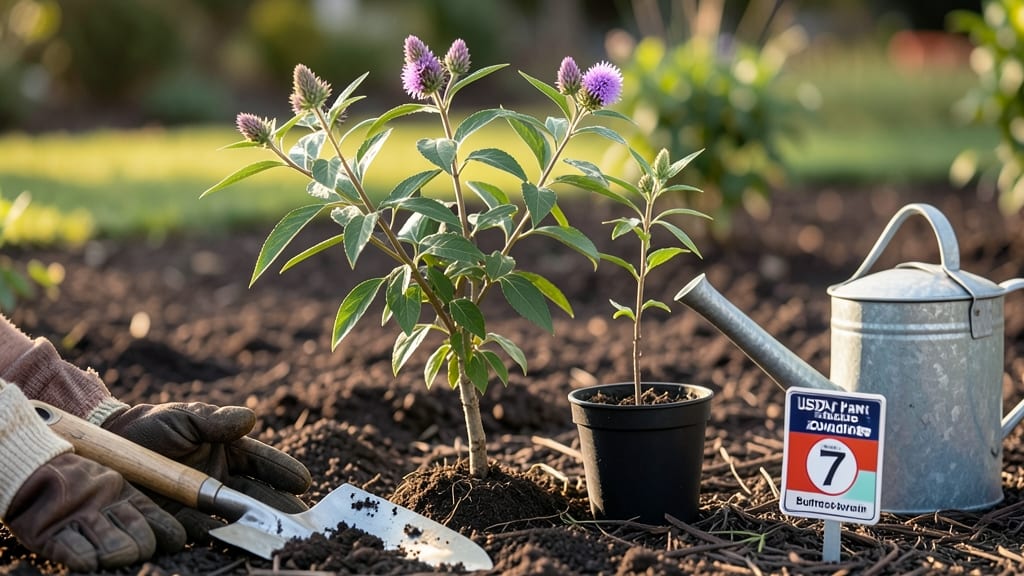
Planting a butterfly bush 🦋 in Zone 7 at the right time means the difference between a showstopping pollinator magnet and a shrub that barely survives.
Too early, and frost will nip the roots before they take hold. Too late, and your garden misses the peak bloom season when butterflies are most active.
The window is narrow but critical—get it wrong, and you’re left with a leggy, sparse plant instead of the vibrant, butterfly-filled display you’re after.
In Zone 7, the ideal planting window opens after the last frost—typically around mid-April—but soil temperature matters just as much as the calendar. A soil thermometer reading of 50-60°F is your green light, signaling that roots will establish without stress.
That’s when you plant for spring blooms, or you can opt for fall planting, giving the roots time to settle before winter.
Below, I’ll walk you through the exact timing, soil checks, and even how to pick the best butterfly bush variety for your Zone 7 microclimate—so you can finally get the garden you’ve been dreaming of.

Optimal planting windows for butterfly bush in Zone 7: soil temperature & frost dates
Timing your butterfly bush planting in Zone 7 hinges on two critical factors: soil temperature and last frost dates. Unlike some plants that tolerate cooler soils, butterfly bushes thrive best when soil reaches 50-60°F.
This warmth signals roots to establish quickly, preventing transplant shock—a common issue in Zone 7's variable spring weather.
Zone 7 spans diverse microclimates from northern Virginia to central Texas, with subdivisions (a/b/c) affecting frost dates by up to 2 weeks. For example, Zone 7a (colder) may see frost until April 20, while Zone 7c (warmer) often warms by April 5.
Using a soil thermometer ($15 at garden centers) removes guesswork—plant when readings hit 55°F for 3+ days.
Spring planting offers the longest growing season, but fall planting (4-6 weeks before first frost) can yield robust root systems. The tradeoff? Fall-planted bushes may bloom 1-2 weeks later the following summer.
My Zone 7b garden thrives with spring plantings in early April, but I’ve seen neighbors in Zone 7a successfully plant in late May after soil warms.
Here’s how regional variations impact your timing:
| Zone 7 Subdivision | Last Frost Date | Ideal Planting Window | Soil Temp Threshold | Fall Planting Deadline |
|---|---|---|---|---|
| 7a (Coldest) | April 15–20 | Mid-April to early May | 55–60°F | September 20–October 5 |
| 7b (Moderate) | April 5–10 | Early April to late April | 50–55°F | October 5–15 |
| 7c (Warmest) | March 20–April 5 | Late March to early April | 45–50°F | October 15–25 |
*Adjust 1–2 weeks for urban heat islands or elevated gardens.
For container planting, timing shifts slightly—pots warm faster, so you can plant 2–3 weeks earlier than in-ground. However, containers also dry out quicker, so monitor soil moisture daily until roots establish.
I’ve used 5-gallon pots for dwarf varieties like 'Lo & Behold® Blue Chip' and planted them in early March with no frost damage.
Avoid planting when daytime temps fluctuate above/below 60°F—this stresses young roots. In my Zone 7b yard, I’ve seen butterfly bushes planted in late May struggle through summer heat, while those planted in early April bloomed by June. Use mulch (3–4 inches) to stabilize soil temps and retain moisture.
Fall planting rewards patience. By mid-September in Zone 7b, I plant bare-root bushes and water deeply to encourage root growth before dormancy. The key is 6–8 weeks before first frost—this gives roots time to harden but avoids late-season regrowth that can’t survive winter.
In Zone 7a, this means October 1; in 7c, it’s November 1.
Pro tip: If you miss the ideal window, potted butterfly bushes can overwinter indoors near a south-facing window (6+ hours of light). I’ve kept mine in a garage with grow lights during Zone 7a winters, then replanted in spring with 90% survival rates.
Just avoid fertilizing until spring—dormant plants need rest.
Remember: Butterfly bushes are drought-tolerant once established, but young plants need consistent moisture. After planting, water deeply 2–3 times per week until you see new growth. In Zone 7’s summer heat, this means 1–2 gallons per plant to encourage deep root systems.
🦋
Signs your Zone 7 soil is ready for butterfly bush: 5 key indicators
Your Zone 7 soil might feel ready for a butterfly bush planting, but how do you know for sure? These 5 key indicators will help you assess whether your garden's foundation is primed for this pollinator magnet.
Paying attention to soil texture, moisture, and pH can make the difference between a thriving shrub and one that struggles from day one.
First, check the soil temperature. Butterfly bushes thrive when soil reaches 50-60°F. Use a soil thermometer to verify—this is especially critical in Zone 7's spring planting window when temperatures fluctuate. If your soil is consistently below 50°F, wait a few more weeks, even if frost dates have passed.
Next, perform the squeeze test for soil texture. Grab a handful of moist soil and gently squeeze it—it should crumble easily between your fingers but not fall apart completely. If it feels sticky or compacted, your soil likely has too much clay, which can restrict root growth.
In this case, consider amending with compost or sand before planting.
Don’t overlook moisture retention. Stick your finger about 2 inches into the soil—it should feel slightly damp but not wet. If water pools on the surface or drains too quickly (within minutes), your soil isn’t holding moisture well.
In clay-heavy Zone 7 soils, mix in organic matter like compost or peat moss to improve drainage and aeration.
Test your soil pH using a simple kit from your local garden center. Butterfly bushes prefer a slightly acidic to neutral pH of 6.0-7.0. If your soil is too acidic (<6.0), add lime to raise the pH. For alkaline soils (>7.0), incorporate sulfur or peat moss to lower it gradually.
Remember, pH adjustments take time—start testing and amending a month before planting.
If your soil fails any of these tests, consider planting your butterfly bush in containers as a frost-buffer alternative. Containers warm up faster in spring and can be moved to sheltered spots if late frosts threaten.
Just ensure the pot has drainage holes and use a high-quality potting mix to mimic ideal soil conditions.
Once you’ve confirmed your soil is ready, your butterfly bush will reward you with vibrant blooms and a buzzing garden full of pollinators. Happy planting! 🦋