
Planting
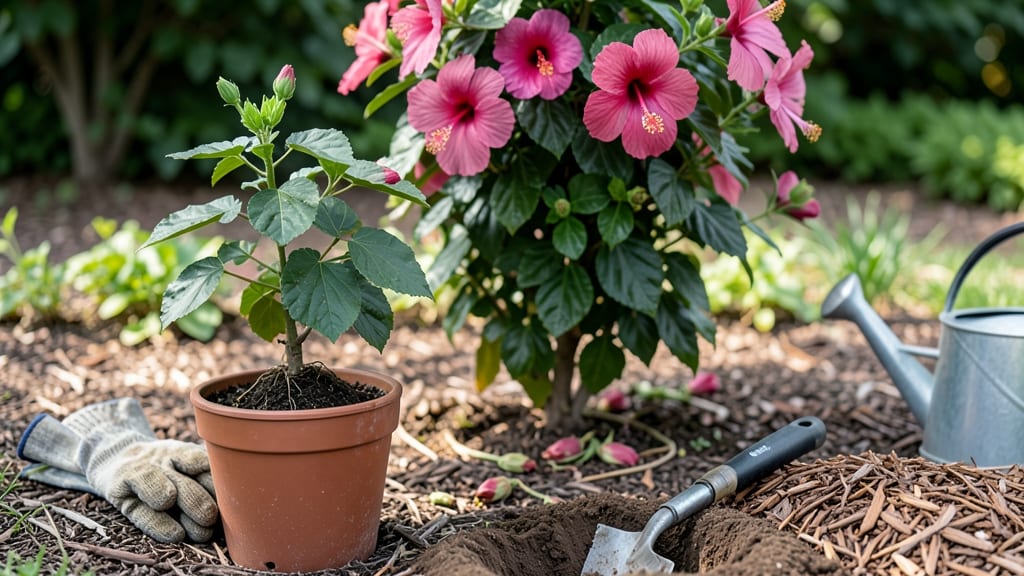
Planting hibiscus bushes after your last frost ensures they thrive in USDA Zones 6-10—a timing mistake can leave you with leggy stems and no blooms.
Picture this: You’ve picked out the most stunning 🌸 hibiscus variety, only to watch it struggle because you planted it too early or too late. The difference between a showstopper shrub and a sad, sparse plant often comes down to when you put it in the ground.
In cooler zones like Zone 6, wait until soil temperatures hit 60°F+—usually mid-April—while tropical zones (8-10) can handle late summer or even fall plantings. Below, I’ll break down the exact windows for your climate, plus pro tips for container vs. in-ground planting.
You’ll learn how to read your local frost dates, adjust for heat waves, and even coax hibiscus to bloom earlier by mastering the perfect planting window—no guesswork, just vibrant blooms all season.
Best planting months for hibiscus by USDA climate zones
Hibiscus bushes thrive when planted at the right time—too early and frost will kill them, too late and they won’t establish before summer heat. Your USDA climate zone determines the perfect window.
In zones 7-9, aim for spring planting after the last frost, while zones 10-11 can plant year-round. Let’s break it down by zone so you can start your hibiscus off right.
For temperate climates (zones 7-9), the ideal planting window is April through June. This gives roots time to establish before summer heat. In tropical zones (10-11), you can plant anytime, but late summer or early fall avoids extreme heat stress.
Always check your local frost-free date—hibiscus roots won’t tolerate temperatures below 40°F.
Pro Tip: Soil temperature matters more than air temperature. Use a soil thermometer—hibiscus roots need 60°F+ soil to thrive. In cooler zones, wait until the ground warms before planting, even if frost dates have passed.
In zone 7, where frosts linger until late spring, plant hibiscus after May 15 to avoid cold snaps. I’ve seen gardeners in Atlanta (zone 7b) plant as late as early June and still get full blooms by summer.
For zone 8, like Dallas or Orlando, April is ideal—soil warms quickly, and roots establish before summer’s peak.
Tropical zones (10-11) offer flexibility, but timing still matters. In Miami or Hawaii, planting in late August lets hibiscus establish before winter rains. Avoid planting during hurricane season (June–November)stakes or cages for support if planting in exposed areas.
Container gardening changes the rules slightly. Potted hibiscus can be planted 2-4 weeks earlier than in-ground plants because containers warm faster. Just ensure pots have drainage holes and use lightweight potting mix. I’ve successfully grown hibiscus in containers in zone 6 by bringing them indoors during winter.
One common mistake? Planting hibiscus too deep. The graft union (where stem meets rootstock) should sit 1-2 inches above soil level. If buried too deep, it can rot.
After planting, water deeply to settle soil and remove any air pockets around roots. Mulch with 2-3 inches of organic mulch to retain moisture and regulate soil temperature.
For hardiness testing, some gardeners in zone 6 plant hibiscus in containers or raised beds and overwinter them indoors. Varieties like ‘Dwarf Blue’ or ‘Lady Baltimore’ handle cooler temps better than tropical types. If you’re in a marginal zone, start with hardy hibiscus varieties designed for your climate.
Remember: hibiscus planted in late spring will bloom the same year, while fall-planted bushes focus on root growth and flower the following season. Adjust your expectations based on your zone and planting time. With the right timing, you’ll enjoy vibrant blooms from summer through fall—worth the patience!
Signs your climate isn’t ready for hibiscus planting (and how to fix it)
Hibiscus bushes thrive in warm climates, but planting them too early in cooler zones can stunt growth or even kill your plant. The key is understanding your local frost dates, soil temperature, and humidity levels.
If you notice yellowing leaves or slow growth after planting, your climate may not be ready yet.
Even in USDA Zone 7 and above, hibiscus needs consistent warmth—soil should stay above 60°F (15°C) for roots to establish properly. In Zone 6 or below, frost risk becomes a major concern, making container gardening or delayed planting essential strategies.
🚨 Warning Signs Your Climate Isn’t Ready
- Soil temp below 60°F (15°C) – Roots won’t establish properly.
- Frost predicted within 2 weeks – New plants can’t survive freezing temps.
- High humidity + cool nights – Increases fungal disease risk.
- Slow leaf growth after planting – Plant is struggling to adapt.
🔹 Solution: Wait until soil warms to 65°F+ (18°C+) or plant in containers for mobility.
If you’re in a cooler zone (Zone 6 or below), consider delaying planting until late May or June when nights stay above 50°F (10°C). For Zone 7-8, aim for April-May after the last frost date. Always check your local frost calendar—hibiscus can’t handle even light freezes.
Another red flag is excessive wilting after planting, which often signals root shock from cold soil. In this case, mulch heavily with straw or bark to insulate roots and water deeply every 2-3 days until soil warms. For container-grown hibiscus, move pots to a sheltered spot during cool nights.
For humid climates, watch for black spots on leaves—a sign of fungal issues. Improve airflow by pruning crowded branches and avoid overhead watering. If your area has high summer humidity, opt for dwarf varieties like 'Peppermint' hibiscus, which handle moisture better.
Remember: Patience pays off. Hibiscus planted too early may survive but won’t bloom until late summer or fall. By waiting for ideal conditions, you’ll enjoy vibrant flowers from June through October—worth the extra weeks of preparation! 🌸